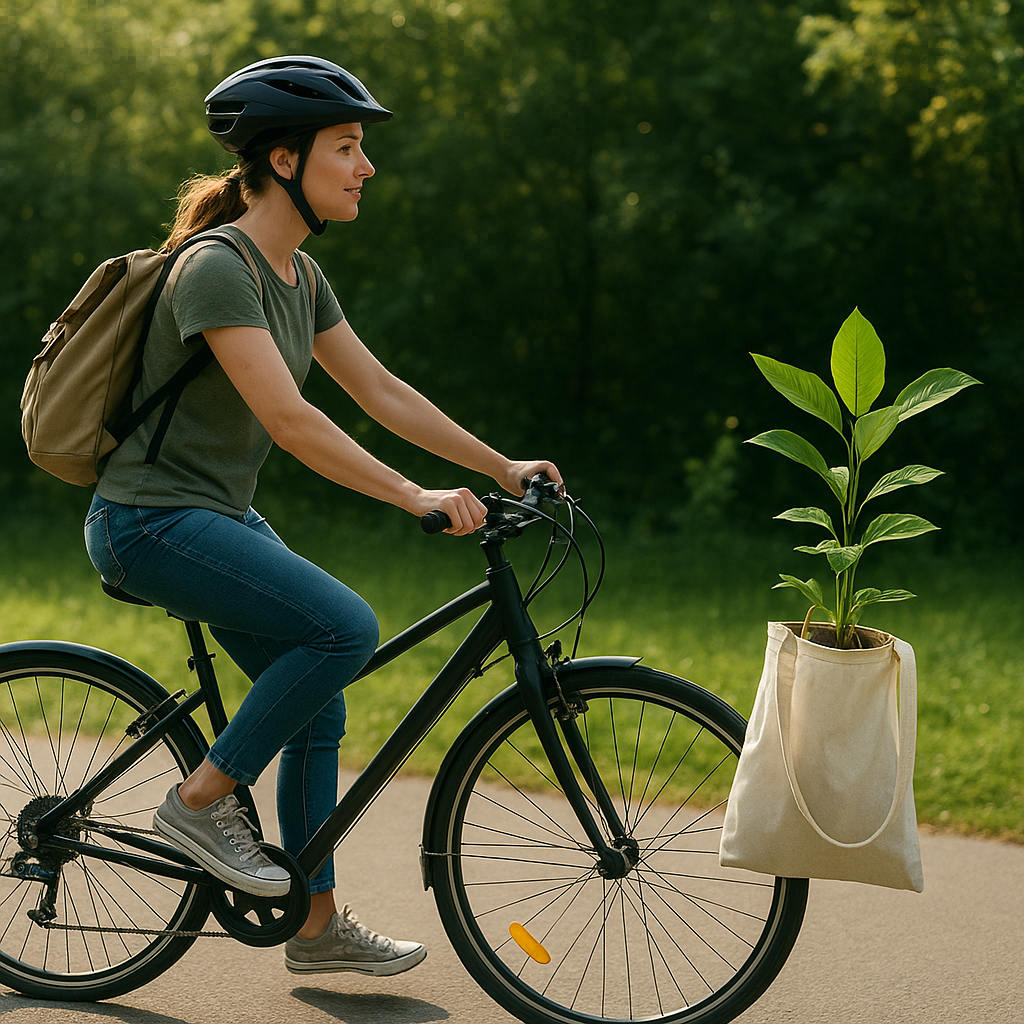
Cycling offers a unique opportunity to combine daily motion with environmental responsibility. Whether navigating city streets or cruising along country lanes, cyclists can adopt various practices to minimize their ecological impact while enjoying the freedom of two wheels. This article explores practical strategies, from choosing the right equipment to fostering a supportive network, all aimed at making your rides more sustainable and eco-conscious.
Choosing an Eco-Friendly Bicycle
Selecting the right bike is the foundation of sustainable cycling. Your choice affects not only the long-term durability and maintenance requirements but also the overall carbon footprint tied to production and disposal.
Frame Materials and Manufacturing
- Aluminum frames are widespread due to their lightweight nature, corrosion resistance, and recyclability. Opt for locally manufactured models to reduce transportation emissions.
- Steel remains a classic choice. Though heavier, high-quality steel frames offer exceptional durability and can be recycled indefinitely without losing strength.
- Carbon fiber offers performance benefits but involves energy-intensive production processes. If you prioritize speed, seek brands that offset emissions or use reclaimed fibers.
Secondhand and Refurbished Options
Buying a pre-owned bicycle significantly cuts down on the environmental impact inherent in manufacturing new frames and components. Check local classifieds, bike co-ops, or community swap meets. A bit of maintenance—cleaning, replacing brake pads, tuning gears—can breathe new life into an older model, extending its service life by years.
Modular and Upgradable Designs
Choose a bike that allows easy upgrades to key parts like wheels, saddles, and drivetrain. This approach prevents complete replacements when one component wears out. Investing in a high-quality bottom bracket or robust wheelset can pay dividends in reliability and reduce waste over time.
Adopting Green Cycling Habits
Your riding style and routines contribute to sustainable outcomes. Simple adjustments in daily habits can lower personal emissions and promote a healthier riding environment for everyone.
Optimizing Your Daily Commute
- Route Planning: Use apps or maps to identify flat, low-traffic roads that minimize stop-and-go riding. Smoother rides burn less energy and reduce brake pad wear.
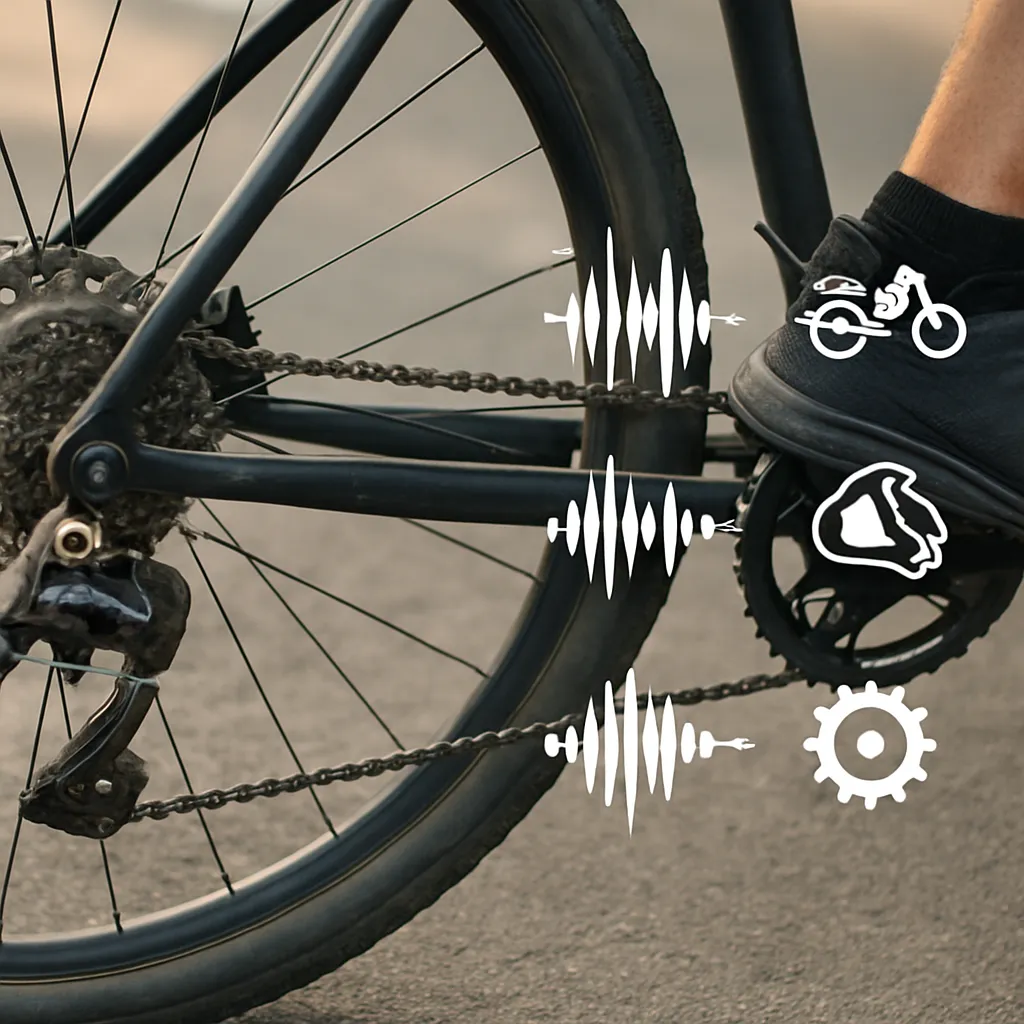
- Gear Shifting: Maintain a steady cadence by shifting early. Avoid mashing pedals in high gear; this practice reduces drivetrain strain and extends the life of chains and cassettes.
- Packing Light: Carry only what’s necessary. Removing extraneous weight not only eases pedaling but also reduces the need for frequent repairs caused by overloading.
Routine Maintenance for Longevity
Regular upkeep keeps mechanical parts running smoothly and extends component lifespan. Key tasks include:
- Cleaning and lubricating the chain to prevent rust and friction losses.
- Checking tire pressure weekly to avoid punctures and improve rolling efficiency.
- Inspecting brake pads and cables to ensure safe stopping power.
Eco-Conscious Accessories
Select accessories crafted from renewable or recycled materials. Bamboo fenders, cork handlebar grips, and upcycled leather saddles offer style and performance without excess waste. Solar-powered lights and dynamo hubs eliminate disposable batteries, ensuring you remain visible after dark using clean energy.
Building a Sustainable Cycling Community
Cycling thrives on shared experiences and collective effort. By contributing to local networks, you multiply the positive effects of individual eco-friendly choices.
Local Workshops and Repair Cafés
- Volunteer at or attend community bike shops where experienced mechanics guide riders through essential repairs. Sharing skills helps more people stay mobile without relying on new products.
- Organize clothing and accessory swaps. Trading barely-used gear reduces landfill waste and fosters connections among cyclists.
Promoting Safe Infrastructure
Lobby for expanded bike lanes, protected intersections, and traffic-calming measures. Working with neighborhood associations or municipal councils to secure funding for safe cycling routes ensures more riders feel confident switching from cars to bikes, thereby shrinking collective carbon footprint.
Group Rides and Advocacy
Hosting themed group rides—commuter convoys, charity fundraisers, or family-friendly tours—raises public awareness of cycling benefits. Engaging local businesses to sponsor rest stops or provide discounts to participants strengthens the connection between cyclists and the broader community.
Advanced Strategies for Eco-Friendly Cycling
Once you’ve mastered the basics, consider these higher-level tactics to further reduce environmental impact and deepen your commitment to green living.
Energy Harvesting and Smart Tech
- Dynamo Hubs: Convert wheel rotation into continuous electrical power for lights and device charging. Eliminating batteries cuts down on hazardous waste.
- Smart bike computers track your efficiency by measuring power output, helping you to pedal just hard enough to stay in your aerobic sweet spot, saving energy in the long haul.
Minimalist Bikepacking
For multi-day adventures, adopt minimalism: ultralight tents, modular cookware, and biodegradable soap. Plan routes to resupply at local markets, supporting regional economies while keeping your pack weight—and fuel burned—low.
Participating in Circular Economy Models
Embrace bike-share schemes and rental platforms that refurbish fleets instead of scrapping old units. By subscribing to a well-managed service, you contribute to a system where bicycles circulate among users, maximizing utilization and spreading the environmental costs of manufacturing across many riders.
Conclusion of Practices Without Summary
Through mindful equipment choices, disciplined maintenance, community engagement, and advanced technologies, every cyclist can reduce environmental harm. Embracing these habits turns each ride into a statement of responsibility—proving that bicycling isn’t just a form of transport or recreation but also a powerful tool for ecological stewardship.