Cycling offers an exhilarating blend of freedom, exercise, and exploration, but to fully enjoy every ride, proper attire is paramount. Whether pedaling under the blazing sun, dancing through autumn leaves, or conquering frosty winter mornings, the right gear can make the difference between a memorable adventure and an uncomfortable ordeal. This guide dives into practical tips and expert advice on how to dress for cycling in every season, emphasizing key fabrics, essential layers, and must-have accessories to keep you riding at peak performance and comfort.
Summer Riding: Staying Cool and Protected
Moisture Management
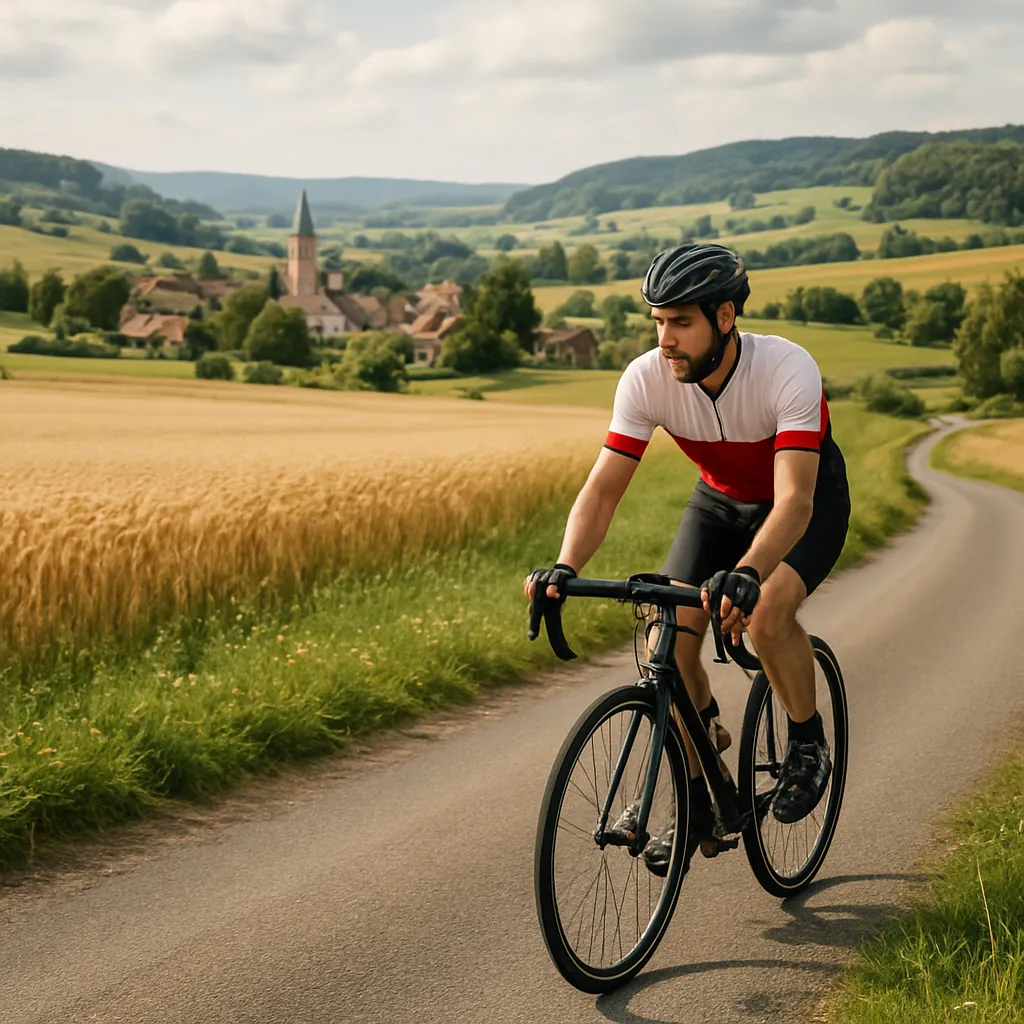
As temperatures soar, your clothing choices must prioritize moisture-wicking fabrics that draw sweat away from the skin. Look for jerseys made of synthetic blends or merino wool; both provide excellent breathability and quick-dry properties. Pair your top with padded cycling shorts designed to minimize chafing and offer support on long rides.
Sun Safety
- Opt for UV-protective sleeves or a lightweight long-sleeve jersey to shield your arms.
- Wear a breathable cap under your helmet to prevent sunburn on the scalp and manage perspiration.
- Don polarized sunglasses to reduce glare and protect your eyes from harmful rays and debris.
Ventilation and Aerodynamics
Strategically placed mesh panels in high-heat zones can significantly boost airflow and cooling. While a snug fit supports aerodynamic efficiency, ensure you can move freely without restriction. A balance between tight and loose will keep you both breathable and aerodynamic.
Spring and Autumn: Mastering the Art of Layering
Base Layer Essentials
Transitional seasons bring unpredictable weather. Begin with a lightweight, form-fitting base layer that regulates moisture and maintains body temperature. Materials like merino wool or advanced synthetics excel at wicking away perspiration while offering slight warmth.
Mid Layer and Insulation
A thin fleece or knit jersey acts as your primary insulation. It traps warm air close to the body without adding bulk. Look for garments with gridded or brushed back panels—these textures boost insulation while allowing moisture vapor to escape.
Outer Shell for Wind and Rain
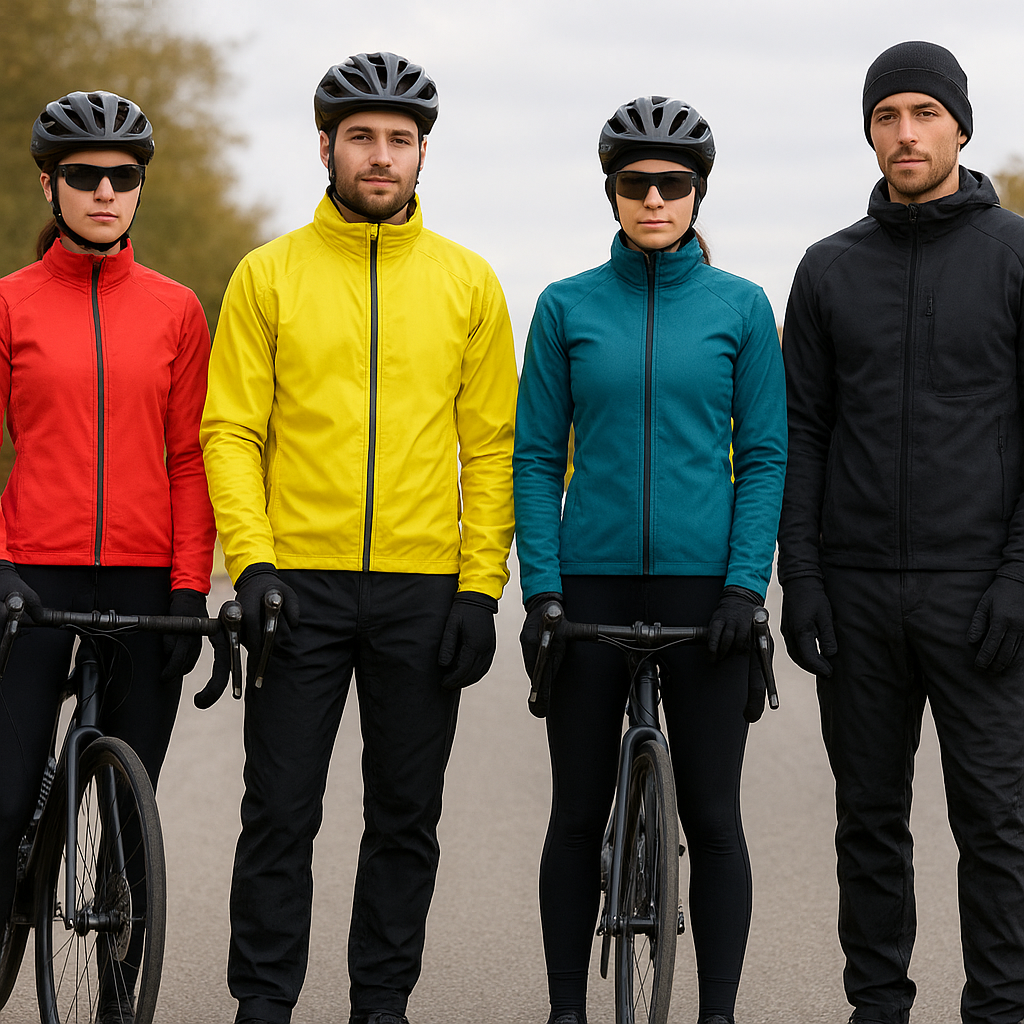
Your final layer should be a packable windbreaker or light rain jacket. Prioritize waterproof yet breathable fabrics (like those rated with a minimum of 10,000mm waterproofing). When showers arrive, zip up to maintain comfort; when the sun peeks out, you can stow it away in your jersey pocket.
Winter Riding: Conquering the Cold
Thermal Foundations
On frigid days, layering becomes crucial. Start with a thermal base layer—often constructed from high-quality merino or technical polyester—that sits directly against your skin. This layer should manage moisture while providing added warmth.
Heavy Mid Layers
Next, choose a thicker jersey or light jacket insulated with fleece or synthetic fill. Insulation weight varies; select a heavier option for sub-freezing rides and a lighter one for milder winter days.
Winter Outerwear
Cold winds and moisture demand a robust outer shell. Seek out jackets featuring windproof membranes and a DWR (Durable Water Repellent) finish. Reinforced panels on shoulders and chest can help shield against wind chill. Many riders prefer a high collar and integrated hood for extra coverage.
Hands, Feet, and Headgear
- Winter gloves with windproof shells and thermal liners protect dexterity and warmth.
- Insulated cycling boots or overshoes keep your toes from freezing. Look for neoprene or wool-blend options.
- A thermal cap or headband beneath your helmet preserves heat and prevents ears from freezing.
All-Season Gear and Accessories
Visibility and Safety
Regardless of the season, visibility remains a top priority. Integrate clothing and accessories with reflective panels and bright accents. Clip-on LED lights or slap-on ankle bands boost visibility at dawn, dusk, or during low-light conditions.
Gloves and Arm/Leg Warmers
Removable warmers allow you to adapt to changing temperatures mid-ride. Arm and leg warmers slip on quickly and provide targeted insulation. In warmer weather, stow them easily.
Mudguards and Storage
Mudguards protect your clothing and bike from road spray. Combine these with a saddlebag or frame-mounted pack for carrying spares, snacks, and emergency garments. Waterproof panniers can also safeguard your belongings in wet conditions.
Choosing Fabrics and Fit
Technical Textile Guide
Understanding fabric properties is key to selecting the right gear. Here’s what to look for:
- Breathable: Allows moisture vapor to escape, preventing sweat buildup.
- Waterproof: Shields against rain without sacrificing breathability.
- Insulating: Traps warm air next to the body while letting moisture out.
- Durable: Resists abrasion from falls, brush, and bike hardware.
Ensuring Proper Fit
A good fit balances comfort, mobility, and aerodynamics. Jerseys and tights should be snug but not restrictive. Test garments on a short ride to gauge fit before committing to extended outings.
Clothing Care and Maintenance
Washing and Storage
Proper care extends the life of technical apparel:
- Follow manufacturer instructions: use gentle detergents designed for sportswear.
- Wash cold and avoid fabric softeners, which can clog pores in performance fabrics.
- Air-dry garments away from direct heat sources to preserve elasticity and waterproof coatings.
Reviving DWR Coatings
After repeated washes, waterproof garments may lose their DWR finish. Apply a spray-on or wash-in DWR treatment to reactivate water repellency and keep moisture at bay.
Enhancing Your Ride with Smart Choices
Investment in Quality
While budget gear can be tempting, investing in high-quality cycling apparel pays dividends in performance and longevity. Aim for reputable brands that specialize in technical cycling clothing.
Adaptability in All Conditions
Finally, the best cycling wardrobe is one you can adjust on the go. Carrying small, versatile pieces—warmers, lightweight jackets, or extra gloves—allows you to respond to sudden weather shifts without heading home early.