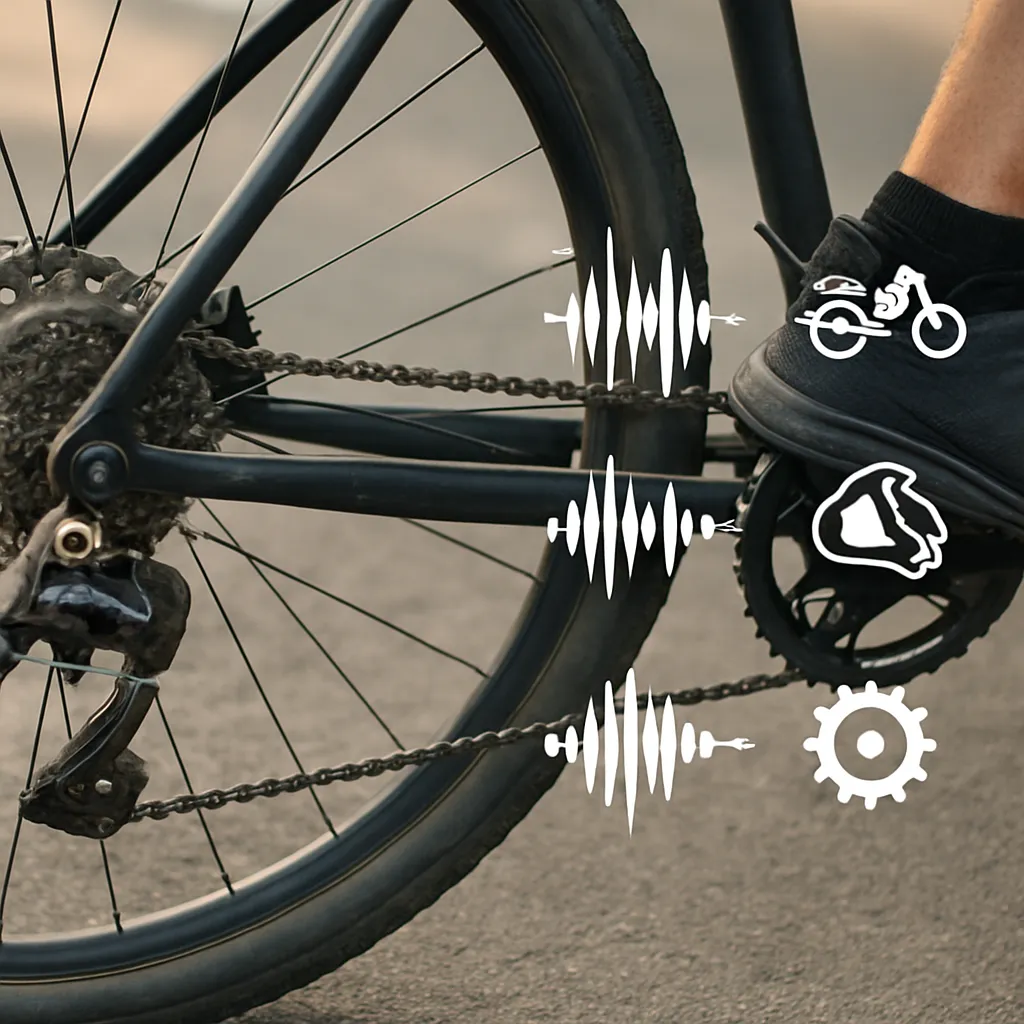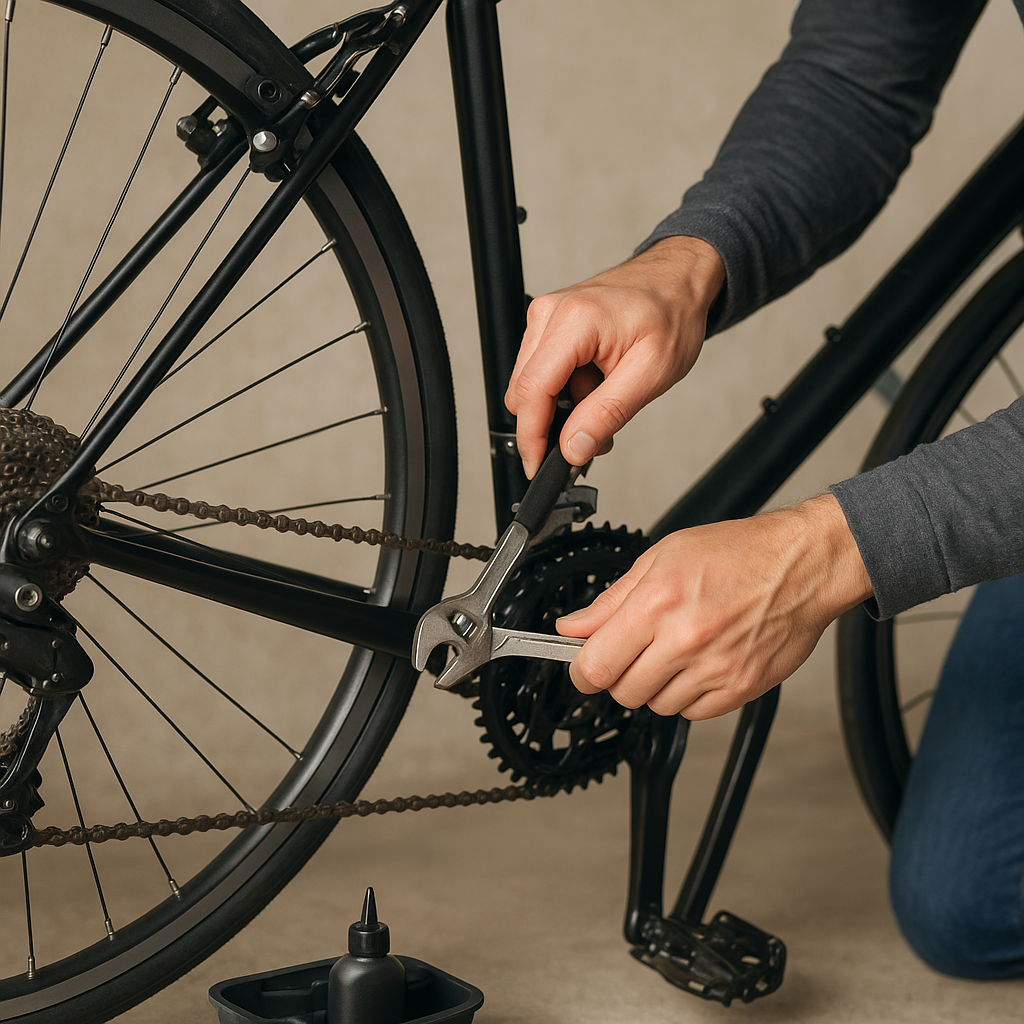
Cycling offers an exhilarating blend of freedom, fitness, and eco-conscious commuting. Whether you’re a casual rider or gearing up for competitive events, mastering basic care practices ensures your two-wheeled companion performs at its peak. This guide dives into professional strategies for preserving your bicycle’s longevity, optimizing performance, and enhancing rider safety. Embrace these methods and transform routine upkeep into a rewarding ritual.
Routine Inspection and Cleaning
Consistent inspection and thorough cleaning lay the foundation for every successful maintenance session. By identifying issues early, you avoid costly repairs and unexpected breakdowns.
Visual Safety Check
- Inspect frame for cracks, dents, or corrosion. Pay close attention to weld joints and pivot points.
- Examine tires for cuts, bulges, and wear. Check pressure levels against recommended PSI.
- Verify that handlebars and stem are securely tightened. Assess grips or tape for wear.
- Test saddle rails and clamp bolts for proper torque. Look for cracks in the seat post.
Basic Cleaning Routine
Regular cleaning prevents grit from wearing down vital parts.
- Rinse bike with low-pressure water to remove loose dirt.
- Use a soft brush and mild detergent to scrub frame, forks, and rims.
- Clean drivetrain components with a degreaser wand or brush. Focus on chainrings, cassette, and derailleur pulleys.
- Wipe down frame and components with a microfiber cloth.
Lubrication and Chain Care
Proper lubrication reduces friction, shields against corrosion, and extends component life.
Choosing the Right Lubricant
- Dry lube: Best for dusty conditions. Leaves minimal residue.
- Wet lube: Ideal for wet environments. Offers long-lasting protection.
- Wax-based lube: Provides a clean finish and good performance in varying climates.
Application Technique
Follow this sequence for optimal results:
- Clean the chain thoroughly with a degreaser or chain cleaning tool.
- Dry the chain completely to avoid water trapping.
- Apply a drop of lube to each link while rotating pedals backward.
- Allow the lubricant to soak in for a few minutes.
- Wipe off excess to prevent attracting dirt.
Chain Wear Monitoring
Use a chain checker tool to measure elongation. Replace the chain when wear exceeds 0.5% for 10-speed or above systems, or 0.75% for 8- and 9-speed drivetrains.
Brake and Gear Adjustment
Fine-tuned brakes and gears ensure precise control and swift response under demanding conditions.
Brake Maintenance
- Inspect pads for wear and glazing. Replace when thickness falls below 1.5 mm.
- Clean rotors or rims with isopropyl alcohol to remove oil and contaminants.
- Check cable tension and housing for kinks. Lubricate or replace as needed.
- For hydraulic systems, monitor fluid level and bleed if sponginess appears.
Gear Tuning
Precise indexing reduces skipping and chain drop.
- Shift to the smallest cog. Adjust the high-limit screw to align the derailleur pulley with the cog.
- Shift to the largest cog. Fine-tune the low-limit screw likewise.
- Use barrel adjusters to eliminate minor indexing inaccuracies.
- Ensure the derailleur hanger is straight. A bent hanger can cause persistent shifting issues.
Advanced Tune-ups and Tools
Elevate your skills by mastering advanced services and investing in quality tools.
Wheel Truing and Bearing Service
- True wheels by tensioning spokes systematically. Listen for consistent pitch changes.
- Inspect hub bearings for smooth rotation and play. Disassemble, clean, and regrease or replace bearings as necessary.
Headset and Bottom Bracket Overhaul
- Loosen stem bolts and remove the fork to service the headset. Clean cups, inspect bearings, and re-grease before reassembly.
- Remove the cranks to access the bottom bracket. Clean the shell, re-grease threads or bearings, and torque to specifications.
Essential Workshop Gear
- Torque wrench: Prevents over-tightening of bolts.
- Chain checker: Measures chain wear accurately.
- Spoke wrench: Adjusts spoke tension for perfect wheels.
- Pedal wrench: Provides leverage for tight pedal removal.
- Bleed kit: For trouble-free hydraulic brake servicing.
Seasonal Maintenance Tips
Adapt your maintenance to weather and usage patterns for year-round safety and dependability.
Rainy Season Precautions
- Increase frequency of cleaning and lubrication to combat water-induced corrosion.
- Switch to wet-specific brake pads for reliable stopping power.
Winterizing Your Ride
- Apply anti-corrosion spray on exposed metal parts.
- Install fenders and use puncture-resistant tires for snowy, slushy roads.
Summer Performance Check
- Inspect tires for heat-induced pressure spikes. Adjust accordingly.
- Ensure all bolts remain torqued after rough trails or jumps.