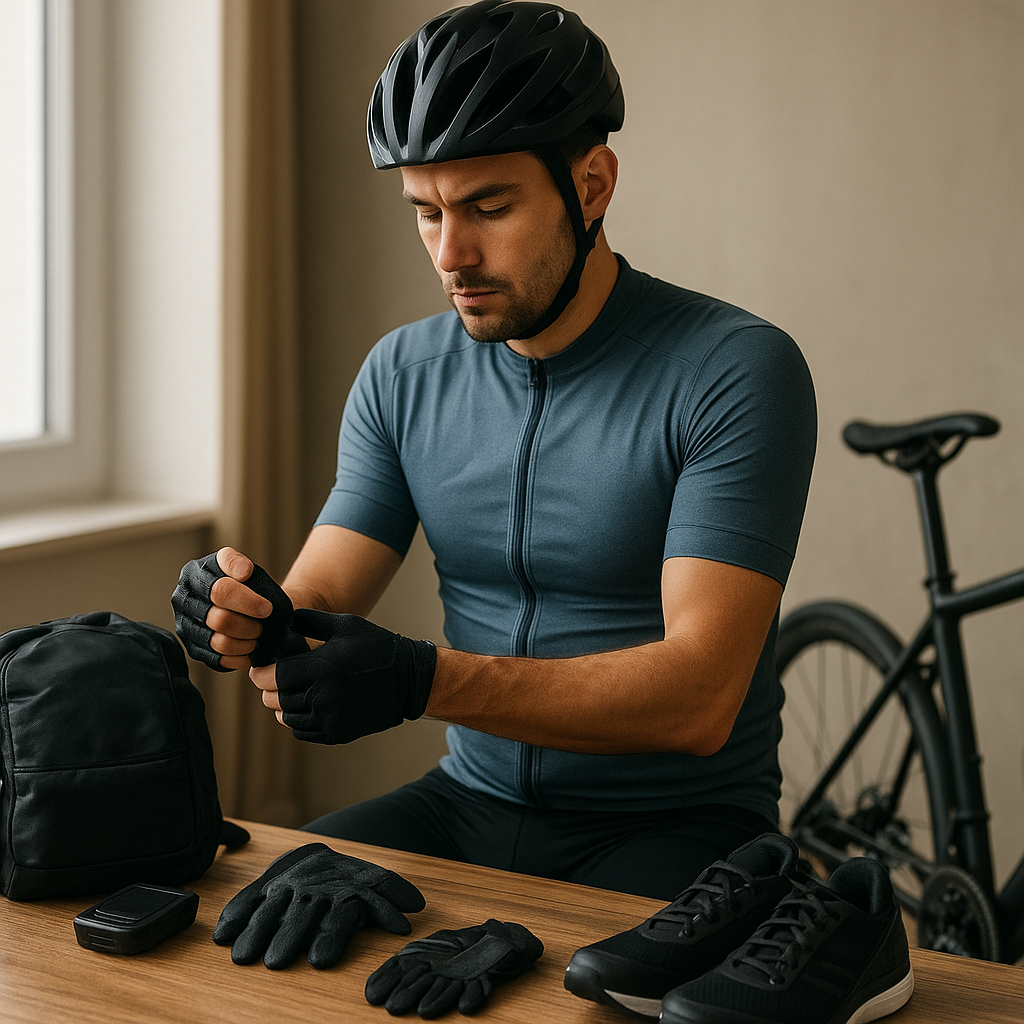
Embracing the thrill of a multi-day cycling adventure goes beyond mere recreation—it’s a journey of self-discovery and physical challenge. With the right combination of preparation, technique, and mindset, tackling hundreds of miles on two wheels becomes not only achievable but incredibly rewarding. Whether you’re planning a cross-country excursion or a weekend trek through scenic byways, understanding the key elements of a successful long-distance ride will set you on the path to triumph.
Essential Gear for the Journey
Choosing equipment tailored to your needs can mean the difference between suffering and savoring every mile. Begin with a reliable frame and components, ideally designed for touring or endurance cycling. Pay attention to these critical items:
- Bicycles built with a comfortable geometry, stable handling, and mounting points for racks or panniers.
- A saddle that suits your anatomy—test multiple models to find the right fit and cushioning level.
- Durable tires with puncture-resistant layers; consider tires in the 28–32 mm range for a compromise between speed and comfort.
- Lighting systems and reflective gear to ensure visibility in low-light conditions.
- A compact tool kit containing tire levers, spare tubes, a multi-function wrench, and a mini-pump or CO₂ inflator.
- Water bottles or a hydration pack to guarantee easy access to fluids on the go.
Paying close attention to setup—handlebar position, cleat alignment, and saddle height—enhances overall efficiency and reduces the risk of overuse injuries.
Training Strategies to Build Endurance
Developing a robust foundation is crucial for maintaining pace over extended distances. A structured training plan should include:
- Gradual mileage increases of no more than 10 percent per week to avoid overtraining.
- Interval sessions and tempo rides to improve cardiovascular capacity and raise your average speed.
- Long, steady outings at a moderate pace, focusing on maintaining a consistent cadence between 80 and 100 revolutions per minute.
- Cross-training activities—such as swimming or light weightlifting—to strengthen core muscles and promote overall fitness.
- Scheduled rest days and active recovery rides to allow muscles to repair and adapt.
Tracking progress with a cycling computer or smartphone app helps you monitor improvements in power output and heart rate, guiding adjustments to your plan when plateaus arise.
Nutrition and Hydration Planning
Effective fueling and fluid management are fundamental to sustaining energy levels and preventing bonking. Key considerations include:
- A balanced mix of carbohydrates, proteins, and fats in daily meals, emphasizing complex carbs like oatmeal and whole grains.
- On-the-bike snacks such as energy gels, bars, bananas, and rice cakes to maintain blood sugar and muscle function.
- Regular hydration breaks—aim for 500–750 ml of water or electrolyte drink per hour, adjusted based on heat and exertion.
- Use of hydrolyte tablets or drink mixes to replenish sodium, potassium, and magnesium lost through sweat.
- Pre-ride and post-ride meals rich in protein to support muscle repair and growth.
Conduct test rides to refine your personal nutrition schedule; every cyclist reacts differently to various foods, and fine-tuning intake prevents gastrointestinal discomfort on the road.
Bike Maintenance and Safety Checks
Preventive upkeep ensures that mechanical issues won’t derail your plans. Before setting off on a long-distance route, perform these routine checks:
- Inspect brake pads and cables for wear; adjust tension and alignment to guarantee reliable stopping power.
- Examine the chain, cassette, and chainrings for stretch or damage; clean and lubricate components to maintain smooth shifting.
- Verify tire pressure against manufacturer recommendations, and look for cuts or embedded debris.
- Ensure quick-release skewers or thru-axles are properly secured.
- Pack essential spares—inner tubes, patch kit, extra derailleur hanger, and cable housing segments.
Carry a basic first-aid kit and review simple repairs like brake adjustments and wheel truing. Confidence in your ability to handle roadside issues bolsters overall safety and peace of mind.
Route Planning and Mental Resilience
Mapping a realistic and engaging path helps you stay motivated mile after mile. Consider these tips:
- Research terrain profiles, surface conditions, and potential weather shifts using online tools or mapping apps.
- Identify reliable accommodation options, rest stops, and resupply points for food and water.
- Share your itinerary with friends or family, and check in regularly to keep others informed of your progress.
- Prepare for mental challenges by setting micro-goals—such as reaching the next town or café—to break the ride into manageable segments.
- Practice techniques like controlled breathing and positive self-talk to push through fatigue and discomfort.
Cultivating strong resilience not only helps you conquer steep climbs and long flat stretches but also fosters a deeper appreciation for the journey itself.
Leveraging Community and Support
Connecting with fellow cyclists can provide valuable insights, camaraderie, and encouragement. Consider:
- Joining local cycling clubs or online forums to exchange gear recommendations and route ideas.
- Participating in group rides to simulate the dynamics of drafting and pack riding.
- Enlisting a ride buddy or support vehicle for multi-day excursions, offering assistance with logistics and morale.
- Attending mechanical workshops to refine repair skills under expert guidance.
Building a network of experienced riders empowers you to approach your long-distance aspirations with knowledge, confidence, and shared excitement for the open road.