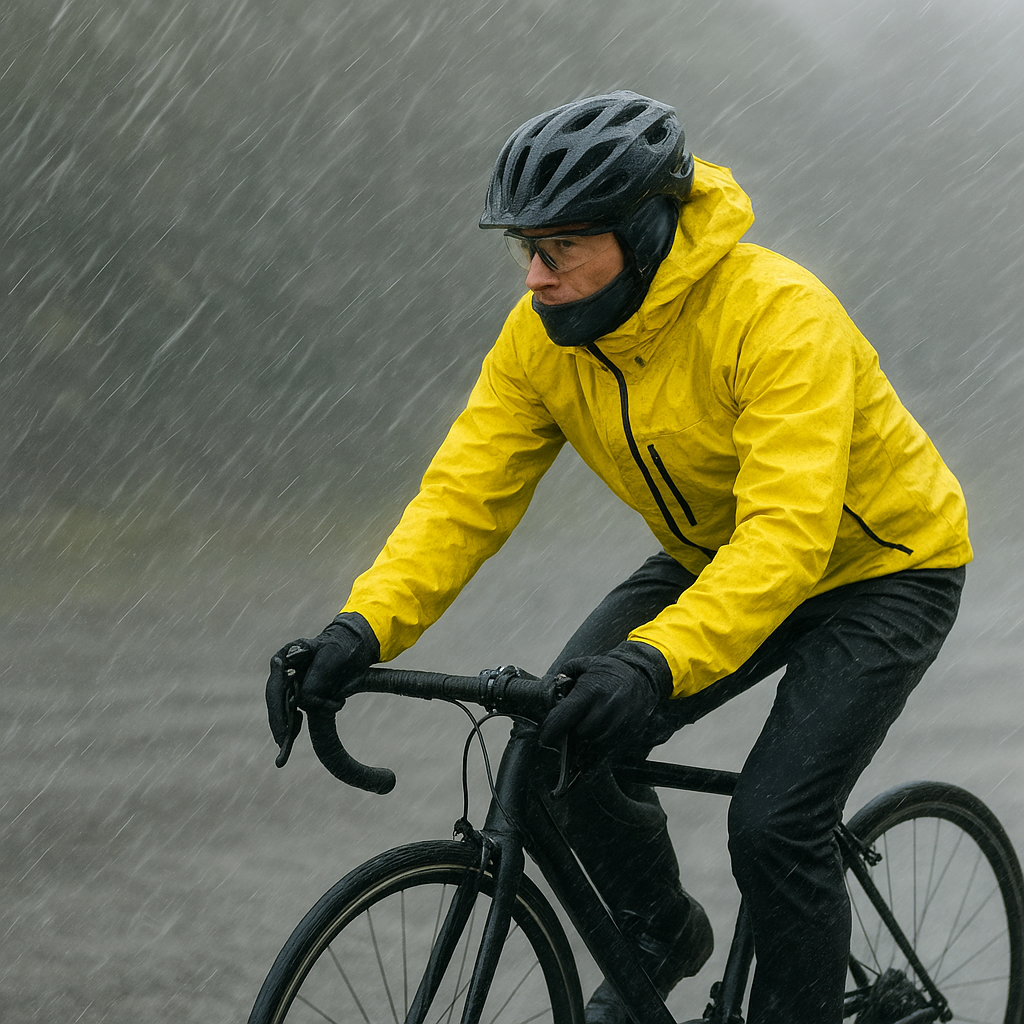
Braving the elements on two wheels demands thorough preparation, sharpened focus, and respect for unpredictable weather. Whether navigating slick urban streets or tackling gusty country lanes, cyclists must adapt strategies to maintain control and confidence. This guide explores effective practices for riding safely in rain and wind, equipping enthusiasts with actionable tips to enhance handling, gear choices, and post-ride care.
Understanding Rainy and Windy Conditions
Recognizing how damp roads and strong gusts impact performance is the first step toward safer rides. Water and wind interact with bicycle dynamics in complex ways:
- Reduced traction when tires meet wet surfaces, increasing stopping distance.
- Lowered visibility for both rider and other road users, raising collision risk.
- Variable wind forces affecting stability, especially on exposed sections or open fields.
Heavy rain can wash away loose debris but also conceal hidden hazards such as potholes, painted road markings, or oily patches. Similarly, side gusts can push the bike off line without warning. Developing keen awareness of local weather patterns allows cyclists to anticipate challenging stretches. Before departure, consult real-time forecasts to choose routes with shelter options or minimal exposure. Urban roads may offer tree-lined corridors for windbreaks but can channel water into deep puddles. Rural lanes may feel calmer but lack immediate shelter from sudden rain showers.
Essential Safety Gear and Bike Upgrades
Equipping yourself and your bicycle with purpose-built protection improves comfort and reduces risk during wet or windy rides. Consider these must-have items:
Rider Apparel
- Full-length waterproof jacket and pants with sealed seams. A waterproof outer shell keeps rain at bay while breathable membranes wick sweat away.
- Gloves with grippy palms to maintain firm handlebar hold even when drenched.
- Moisture-resistant overshoes to shield feet from cold water splashes.
- High-visibility vest or reflective strips, boosting presence in low-light, rainy conditions.
Bike Enhancements
- Full-coverage mudguards or fenders to deflect spray away from drivetrain and rider.
- Wide tires with pronounced tread patterns. Look for models rated for wet grip to optimize braking performance.
- Lower tire pressure within manufacturer’s recommendations for increased surface contact and improved slip resistance.
- Sturdy lights front and rear, powered by dynamo or rechargeable batteries, ensuring constant illumination through downpours.
- Hydrophobic chain lube and corrosion-resistant brake pads to maintain dependable maneuverability.
Regularly inspect cables, connectors, and electronic components to prevent moisture ingress. The combination of quality gear and preventive maintenance yields greater rider confidence when conditions worsen.
Techniques for Riding in the Rain
Rain alters every aspect of cornering, acceleration, and stopping. Implement these techniques to preserve balance and minimize surprises:
- Brake gently and early. Sudden hard braking risks wheel lockup on slick surfaces. Modulate gentle pressure to gauge wet-road responsiveness.
- Lean less into turns. Maintain a more upright posture and allow wider corner arcs, avoiding painted centerlines or metal grates that become dangerously slippery.
- Pedal smoothly. Sudden spikes in power output can overwhelm wet tires, causing rear wheel spin. Keep cadence even to maximize forward momentum without losing grip.
- Avoid puddles when possible. Hidden obstacles below the water surface can unseat the rider. If unavoidable, approach slowly and stand slightly on pedals to isolate body weight from wheel shocks.
- Stay seated over uneven patches. Remaining seated lowers the center of gravity and improves stability through unexpected bumps.
During persistent downpours, periodically check brakes and rims for sludge build-up. Light taps on pads after each rain-soaked descent help clear water and debris.
Mastering Windy Conditions on Two Wheels
Crosswinds and headwinds sap energy and challenge rider composure. By adjusting body position, choosing ideal routes, and drafting strategically, cyclists can offset disruptive gusts:
- Adopt a compact posture. Tuck elbows in, lower torso, and grip bars lightly to reduce wind resistance.
- Seek shelter when strong gusts hit. Buildings, hedges, or tree lines offer intermittent calm zones to catch breath and reassess momentum.
- Practice riding close to edge of pavement. Allow the roadway crown to deflect side forces. Be mindful of gravel or debris off main traffic lanes.
- Form drafting pairs or small pacelines. Riding behind another cyclist decreases wind impact by up to 50 percent, saving energy on long stretches.
- Adjust gearing early. Downshift before encountering a strong headwind rather than grinding against it, ensuring smooth cadence and sustained control.
Wind swirling around corners can push the bike off-line if unprepared. Anticipate gusty pinch points such as mountain passes or coastal roads and reduce speed before entering these sections. When descending in crosswinds, resist overreacting to each gust by focusing on the horizon and making small, steady corrections.
Post-Ride Maintenance and Bike Care
After battling rain or wind, a thorough cleaning and inspection routine keeps the bicycle performing safely on future outings:
- Rinse the frame gently with low-pressure water to remove mud, road salt, and grime. Avoid direct high-pressure sprays near bearings and suspension seals.
- Dry metal surfaces with a soft cloth, paying attention to the chain, derailleurs, and brake assemblies. Immediately apply fresh maintenance lube to the chain, cassette, and pivot points to prevent corrosion.
- Examine brake pads for embedded grit. Sand the pad surface lightly if glazing appears, then realign to ensure even contact with the rim or rotor.
- Check tire sidewalls for cuts or bulges. Inspect tread wear and re-inflate to appropriate pressures for the rider’s weight and planned terrain.
- Test shifting and braking indoors or on a short dry road segment to confirm reliable performance before the next challenging ride.
Regular aftercare extends the lifespan of all components and ensures the next rainy or windy adventure remains as safe and pleasurable as possible. With consistent attention to gear, technique, and upkeep, cyclists can confidently tackle adverse weather on two wheels.