Every cyclist dreams of a ride that combines exceptional performance and sleek design, all while keeping expenses under control. Upgrading your bike can unlock new levels of enjoyment, whether you’re tackling commuting routes or conquering off-road trails. By focusing on strategic improvements, you can enhance comfort, increase efficiency, and express your personal style without draining your wallet. This guide explores practical steps to transform your current ride into a standout machine, with emphasis on smart purchases, DIY methods, and budget-friendly components.
Assessing Your Bike’s Potential
Before purchasing any parts or tools, take time to evaluate what your bike already offers. A thorough inspection helps you identify areas where improvements will yield the greatest impact. Consider the following:
- Frame integrity – Check for cracks, dents, or corrosion.
- Wheel condition – Look at tire wear, rim straightness, and spoke tension.
- Brake performance – Squeeze the levers to test responsiveness and pad thickness.
- Drivetrain wear – Inspect chain stretch, cassette teeth, and chainring condition.
- Riding feedback – Note any discomfort, strange noises, or handling quirks.
By focusing on these areas, you’ll establish a baseline for performance and durability. Document your findings in a simple log or spreadsheet. This record becomes a roadmap for targeted upgrades, ensuring you invest where it matters most.
Essential Upgrades That Won’t Break the Bank
Once you’ve pinpointed key weaknesses, concentrate on cost-effective changes that deliver significant returns:
- Tires: Swapping stock tires for lighter, grippier models can dramatically boost traction and speed. Look for sales or last-year’s colors to save 20–30 percent.
- Saddle: A quality saddle tailored to your riding style reduces soreness and improves posture. Used or clearance models often feature high-end rails and padding.
- Handlebar Grips: Ergonomic grips or tape add comfort and reduce hand fatigue. They’re inexpensive, easy to install, and come in various colors.
- Brake Pads: Upgrading to sintered or semi-metallic pads enhances stopping power and modulation. Brands often sell these pads separately for under twenty dollars.
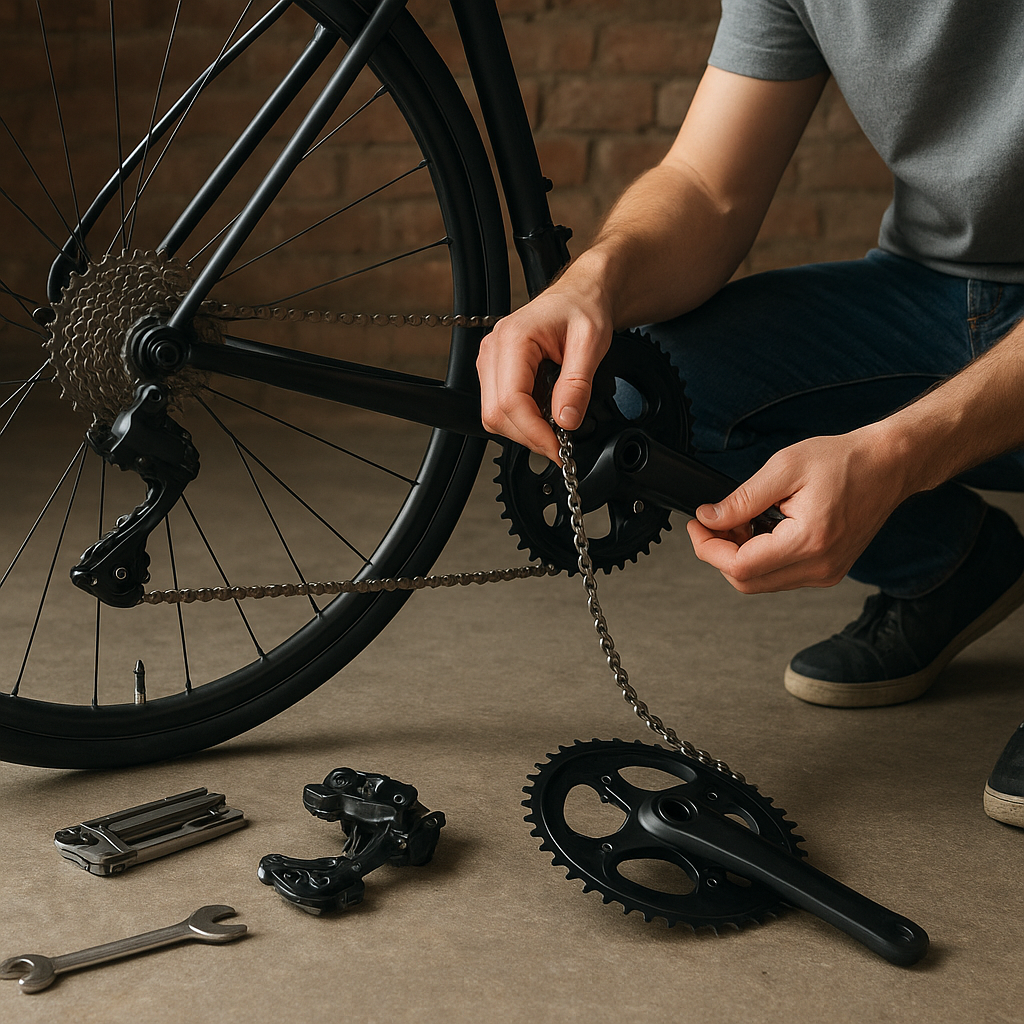
- Cassette and Chain: Replace a worn drivetrain with a compatible mid-range set. Doing both at once extends component life and maintains shifting precision.
To further stretch your budget, monitor local classifieds and swap meets. Cyclists frequently sell lightly used parts after minor upgrades of their own. Patience and persistence can yield near-new items for a fraction of retail cost.
DIY Maintenance and Repair Tips
Taking on simple tasks by yourself not only saves money but also deepens your connection to your bike. Essential tools and skills include:
- Multi-tool basics – Allen keys, screwdrivers, and chain tools.
- Tire levers and a mini-pump for flat repairs.
- Basic lubricants – Wet and dry-chain oils.
- Cable cutters and crimpers for housing replacements.
- Torque wrench for precise component installation.
Follow these steps to keep your ride in top shape:
- Clean the frame and drivetrain after every muddy or salty outing.
- Inspect and lubricate the chain regularly to prevent premature wear.
- True wheels by adjusting spoke tension; minor tweaks can eliminate wobbles.
- Bleed hydraulic brakes annually to maintain crisp stopping power.
- Check bearing play in headsets and hubs; service or replace as needed.
Investing in a few quality tools pays dividends over time. Many online tutorials and community workshops offer free guidance on mastering these DIY techniques.
Smart Shopping for Parts and Accessories
Knowing where and when to shop makes all the difference. Here are proven strategies for finding aesthetic yet affordable upgrades:
- Sign up for newsletters from major cycling retailers to catch flash sales and exclusive coupon codes.
- Join local cycling groups or online forums where members swap gear or post discount alerts.
- Check out factory seconds or blemished items; cosmetic imperfections often don’t affect functionality.
- Browse auction sites for auctions ending late at night to avoid high bid activity.
- Attend demo days where brands lend sample parts at reduced prices after the event.
When selecting parts, prioritize compatibility. Cross-check specifications with your bike’s make and model. Mismatched components can lead to subpar performance or costly returns.
Maximizing Your Upgrade Strategy
Upgrading is an ongoing process, not a one-time event. Adopt these habits to maintain momentum:
- Keep a wishlist of desired upgrades, adjusting priorities based on new rides or riding goals.
- Set aside a small monthly fund dedicated to bike improvements.
- Track mileage and note when components need routine replacement.
- Test new setups in a controlled environment before hitting challenging terrain.
- Share your experiences with the community to discover innovative, wallet-friendly solutions.
By planning upgrades around your actual riding needs and exploiting clearance markets, you’ll transform your bike over time without ever feeling strapped. A smarter, more customization-focused approach ensures each investment yields the best returns on the road or trail.