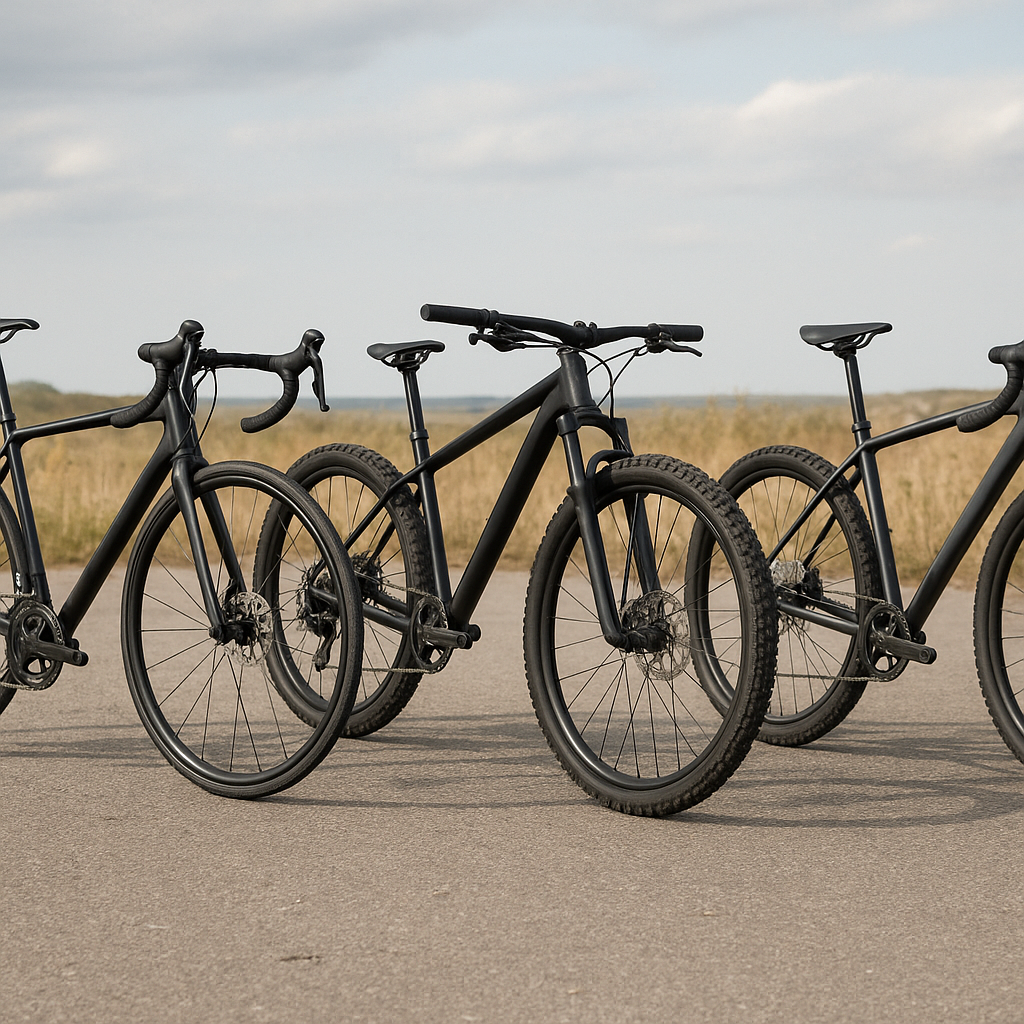
Cycling has evolved into a multifaceted world of specialized machines designed for different purposes. Whether you’re carving through asphalt, tackling rocky singletrack, or exploring unpaved backroads, selecting the right frame can make all the difference. In this article, we’ll examine three popular categories—road, mountain, and gravel—and explore their design nuances, performance traits, and ideal applications.
Design and Geometry
Road Bike Geometry
Road bikes feature a lightweight aluminum or carbon frame built for efficiency and speed. The geometry places the rider in an aerodynamic position with a steep head tube angle and narrow, drop-style handlebars. This configuration maximizes power transfer and reduces wind resistance on paved surfaces. Key characteristics include:
- Narrow tires (23–28 mm) to minimize rolling resistance
- Racing-style saddle and compact cockpit
- Stiff bottom bracket for optimal power delivery
Mountain Bike Geometry
Mountain bikes are engineered to withstand rugged conditions and provide maximum traction on steep, technical terrain. They typically have a slacker head tube angle, longer wheelbase, and wider handlebars to improve stability at speed. Suspension elements (hardtail or full-suspension) absorb impacts over roots and rocks. Notable features include:
- Wide, knobby tires (2.1–2.5 in) for grip
- Dropper post compatibility for variable saddle height
- Robust frame materials (aluminum, steel, or carbon)
Gravel Bike Geometry
Gravel bikes blend attributes from both road and mountain disciplines, resulting in a versatile ride that performs well on mixed surfaces. The geometry generally offers a more relaxed fit than a pure road bike, with a slightly longer wheelbase and flared drop bars for added control. Common traits include:
- Clearance for wide (32–45 mm) tires
- Multiple mounting points for racks and bottles
- Lower bottom bracket compared to MTB but higher than road
Performance and Capabilities
Speed and Efficiency on the Road
Road bikes excel when the objective is high-speed endurance over smooth pavement. Slim tires and rigid frames deliver minimal energy loss, enabling sustained efforts and fast group riding. Many models incorporate aero features such as deep-section wheels and integrated cabling. If your primary goal is time-trialling or long-distance riding on tarmac, a dedicated road machine offers the best performance.
Off-Road Durability and Control
Mountain bikes are built for durability and rider protection. The frame and components resist impacts and harsh conditions. A robust suspension system and wide tire footprint provide confidence on loose, rocky trails and steep descents. Whether you’re into cross-country endurance racing or aggressive downhill runs, a mountain bike’s design ensures you stay planted and in control.
Versatility with Gravel
Gravel bikes occupy the sweet spot for riders who seek adventure beyond pavement but don’t require full-blown suspension. Their geometry, tire clearance, and ability to carry gear make them ideal for bikepacking, long mixed-surface rides, and commuting. Gravel bikes shine in scenarios where unpredictable terrain demands adaptability without sacrificing too much speed.
Choosing Based on Riding Style
Pavement Specialists: Road Bikes
If you focus on club rides, criteriums, or sportive events, a pure road bike aligns with your needs. Prioritize:
- A lightweight frame for climbing.
- Aerodynamic enhancements for flat sections.
- High gear ratios for top-end speed.
Trail Conquerors: Mountain Bikes
Off-road enthusiasts should consider the following when selecting a mountain bike:
- Suspension travel based on trail difficulty (100–160 mm for cross-country, 160–200 mm for enduro).
- Wheel size (29″ for rollover momentum, 27.5″ for agility).
- Component strength to handle repeated abuse.
All-Round Adventurers: Gravel Bikes
Gravel bikes serve riders who demand maximum comfort and load-carrying capacity over mixed surfaces. Look for:
- Geometry that balances stability and responsiveness.
- Tire clearance and tubeless-ready rims for puncture resistance.
- Multiple mounts for racks, fenders, and extra water bottles.
Key Factors Beyond Bike Type
Whether you opt for a road, mountain, or gravel rig, several universal elements influence overall enjoyment and performance:
- Comfort: Saddle fit, handlebar width, and correct frame size.
- Maintenance: Complexity of suspension service and drivetrain cleaning.
- Accessory compatibility: Lights, racks, fenders, and GPS mounts.
- Budget considerations: Frame material, component group sets, and upgrade potential.
Understanding each category’s fundamental attributes will help you match your next bicycle to your preferred riding environment and goals. Embrace the unique advantages of road, mountain, or gravel bikes and discover how specialized design can elevate your cycling experience.