Cycling offers an engaging way to stay active, explore new landscapes, and improve overall well-being. Whether commuting through a bustling city or tackling rugged trails in the countryside, riding a bicycle enhances physical strength, mental focus, and environmental awareness. This article delves into various facets of cycling, from its health advantages to the art of selecting the perfect ride and ensuring long-term safety and enjoyment.
Health Benefits of Cycling
Regular cycling can dramatically boost your cardiovascular system, strengthen muscles, and support healthy weight management. By incorporating cycling into your routine, you tap into a holistic workout that demands endurance, coordination, and flexibility.
Physical Improvements
- Endurance: Continuous pedaling elevates heart rate, improving stamina over time and making daily tasks feel less strenuous.
- Metabolism: A brisk cycling session increases calorie burn both during and after exercise, helping to regulate body weight.
- Core and Lower-Body Strength: Engaging your abdominal and hip muscles ensures better balance, while quadriceps, hamstrings, and glutes grow more powerful with each ride.
- Low-Impact Exercise: Cycling places minimal stress on joints, making it ideal for individuals recovering from injury or seeking an alternative to high-impact workouts.
Mental Wellbeing
Beyond physical gains, cycling stimulates mental clarity and resilience. Exposure to fresh air and natural scenery can reduce stress hormones like cortisol, while rhythmic pedaling encourages a meditative state.
- Improved Mood: Endorphin release during exercise can alleviate symptoms of depression and anxiety.
- Enhanced Focus: Navigating traffic, adjusting gears, and choosing paths demand constant cognitive engagement.
- Stress Relief: Immersing yourself in nature or cityscapes provides a mental break from daily pressures.
Environmental and Economic Advantages
Choosing to cycle rather than drive contributes to cleaner air, reduced noise pollution, and a smaller carbon footprint. Bicycles rely solely on human power, embodying true sustainability in transportation.
Reducing Your Carbon Footprint
Every mile pedaled is a mile not driven, cutting down on greenhouse gas emissions. In urban areas, bikes require far fewer resources for manufacture, maintenance, and disposal compared to motor vehicles.
Cost-Effective Commuting
- No Fuel Costs: Eliminating gasoline or diesel expenses frees up household budgets for other investments.
- Minimal Maintenance: Routine tune-ups, tire inflation, and brake adjustments are far less expensive than major auto repairs.
- Parking Savings: Bicycles can often be parked free of charge or in low-cost facilities close to work or leisure spots.
Selecting the Right Bicycle
Not all bikes are created equal. Tailoring your choice to terrain, riding style, and personal comfort can enhance performance and avoid unnecessary strain.
Road Bikes vs. Mountain Bikes
- Road Bikes: Designed for speed on paved surfaces, featuring efficiency-oriented geometry, narrow tires, and multiple gears.
- Mountain Bikes: Built to handle uneven terrain, equipped with suspension systems, wider tires, and robust frames.
Hybrid and Commuter Bikes
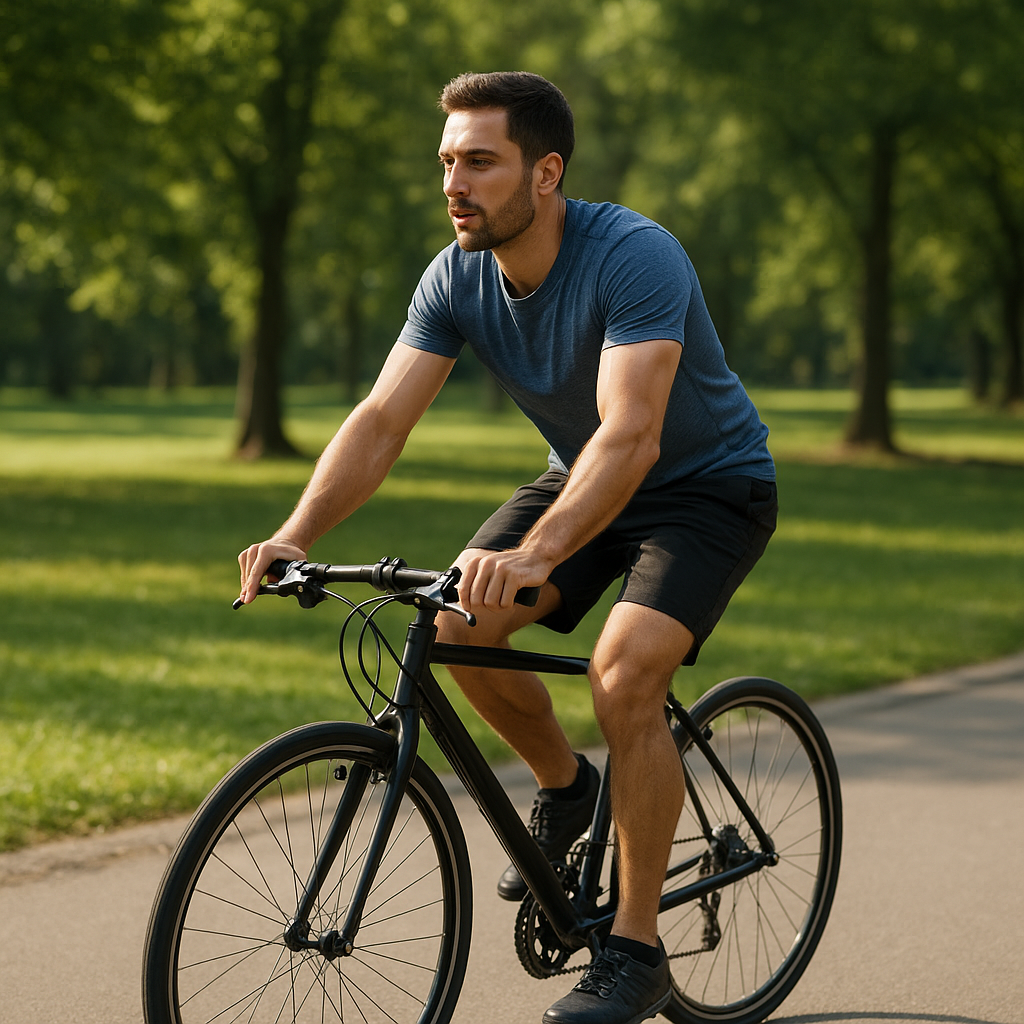
Blending characteristics of road and mountain bikes, hybrids excel at urban routes and light off-road trails. Upright handlebars and comfortable saddles make them ideal for daily rides to work or school.
Frame Materials and Fit
- Aluminum: Lightweight, durable, and affordable, though slightly stiffer than other materials.
- Steel: Offers a classic ride feel, excellent shock absorption, and long-term resilience.
- Carbon Fiber: Premium choice for serious cyclists seeking the lightest and stiffest frame; costs are higher.
- Proper Fit: Ensure seat height allows near-full leg extension at the bottom of the pedal stroke, and handlebar reach maintains a comfortable back angle.
Safety, Maintenance, and Community
A reliable bicycle is more than just a mode of transport; it’s a companion that requires regular attention. Familiarity with basic maintenance tasks and safety protocols ensures every journey is both secure and pleasurable.
Essential Safety Gear
- Helmet: Protects against head injuries; choose a snug, well-ventilated model approved by relevant safety standards.
- Lights and Reflectors: Front and rear lighting units increase visibility in low-light conditions.
- Protective Clothing: Padded shorts minimize saddle discomfort, while bright colors and reflective strips enhance visibility.
Routine Maintenance Checklist
- Tire Pressure: Check before every ride to prevent flats and ensure optimal rolling resistance.
- Chain Lubrication: A clean, well-lubricated chain reduces wear and improves gear-shifting performance.
- Brake Inspection: Confirm pads aren’t worn and cables remain taut for prompt stopping power.
- Gear Adjustments: Fine-tune derailleurs to prevent chain skips and ensure smooth transitions across cogs.
Joining a Cycling Community
Local clubs and online forums connect riders of all levels, offering group rides, technical workshops, and social events. Engaging with fellow cyclists fosters motivation, accountability, and a sense of belonging.
Exploration and Adventure
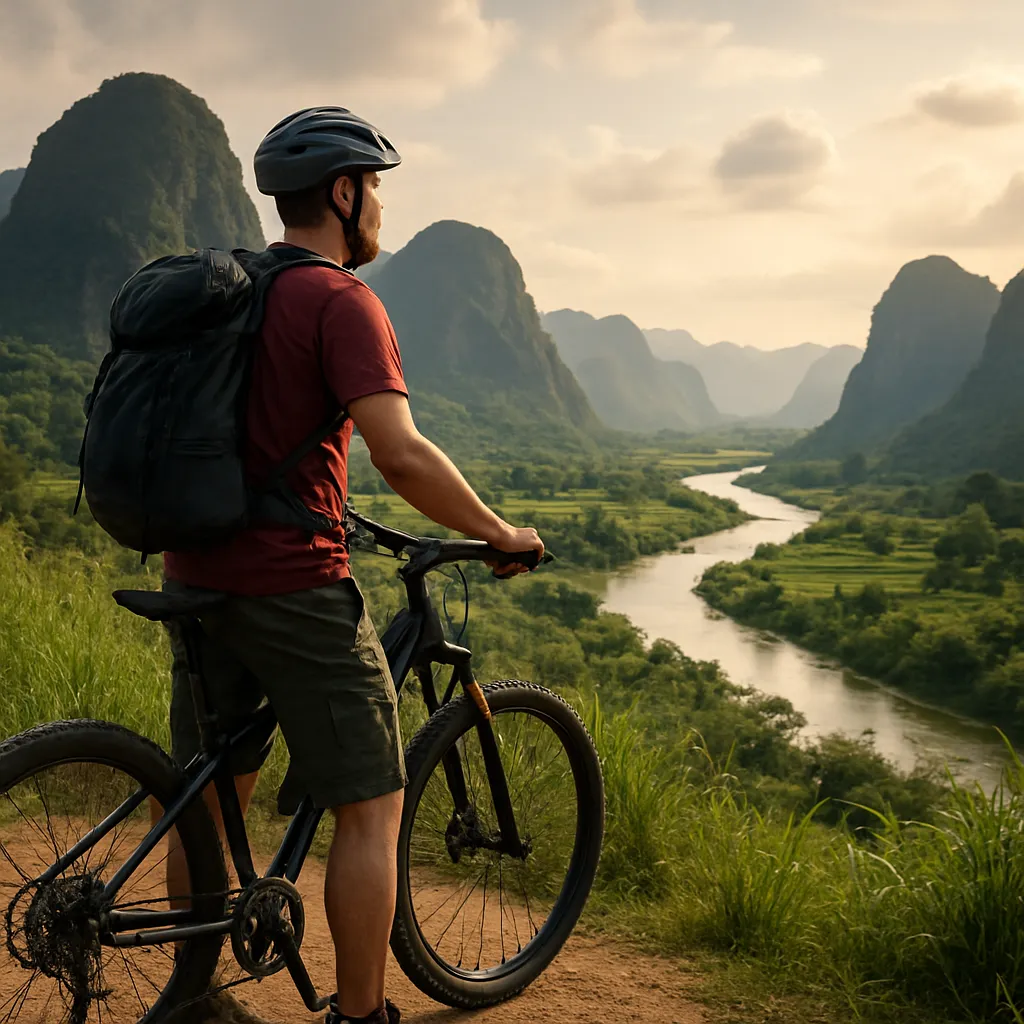
From urban bike tours to multi-day touring expeditions, cycling opens doors to new cultures, landscapes, and friendships. Planning routes, packing essentials, and navigating on two wheels cultivate a spirit of discovery and resilience.
Advanced Training and Performance
For those seeking competitive or personal performance goals, structured training plans and specialized equipment can unlock new levels of achievement.
Interval Training
- High-Intensity Intervals: Short bursts of maximum effort followed by recovery periods improve top-end power and VO2 capacity.
- Endurance Rides: Long, steady outings build aerobic base and teach efficient energy management.
Power Meters and Heart Rate Monitors
Quantitative feedback on output and effort allows precise pacing, preventing early fatigue and guiding progress tracking.
Nutrition and Recovery
- Balanced Diet: Prioritize carbohydrates for fuel, proteins for muscle repair, and healthy fats for overall well-being.
- Hydration: Electrolyte-enriched beverages support sustained performance during long rides.
- Rest Days: Strategic downtime is essential for muscle growth and injury prevention.
Exploring Different Terrains
Transitioning between road, gravel, and mountain environments expands your skills and keeps rides engaging.
Gravel Riding
- Mixed-Surface Versatility: Wider tires and relaxed frames handle dirt roads, packed trails, and loose gravel.
- Adventure Mindset: Gravel routes often feature remote stretches that reward self-reliance and creative navigation.
Urban Commuting
In crowded streets, agile handling and quick acceleration are key. Urban cyclists adapt to traffic signals, pedestrians, and irregular road surfaces.
- Commute Efficiency: Time trials between home and office can sometimes be faster than car travel during peak hours.
- Multimodal Integration: Many transit systems allow bicycles on trains or buses, bridging gaps in your journey.
Mountain Biking Challenges
Steep climbs, technical descents, and natural obstacles demand skillful maneuvering and robust equipment.
- Suspension Tuning: Adjust fork and rear shock settings to match trail conditions.
- Line Choice: Reading terrain ahead ensures smoother, faster, and safer rides.
Embracing Lifelong Cycling
Whether you’re a casual rider, daily commuter, or aspiring racer, cycling remains an accessible pursuit for all ages and skill levels. With ongoing improvements in infrastructure, gear innovation, and community support, the allure of two wheels continues to thrive worldwide.