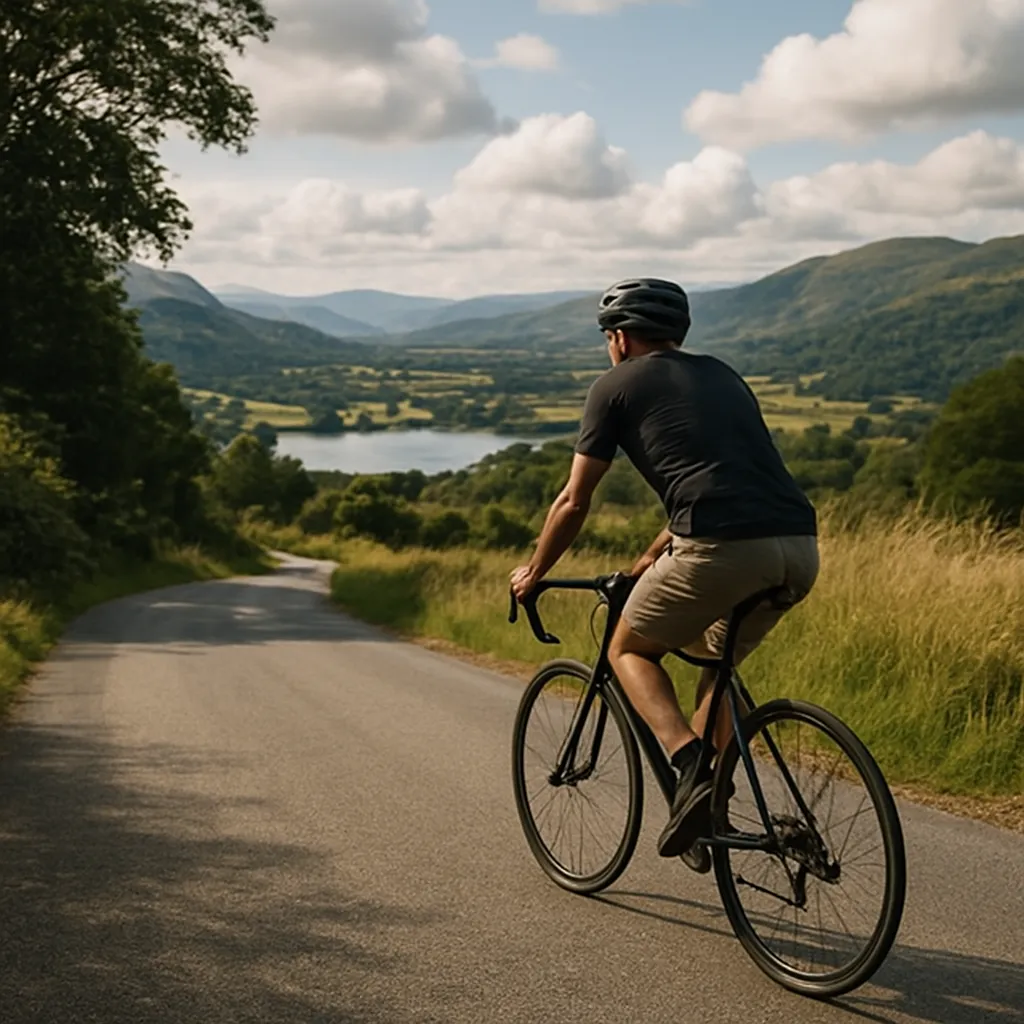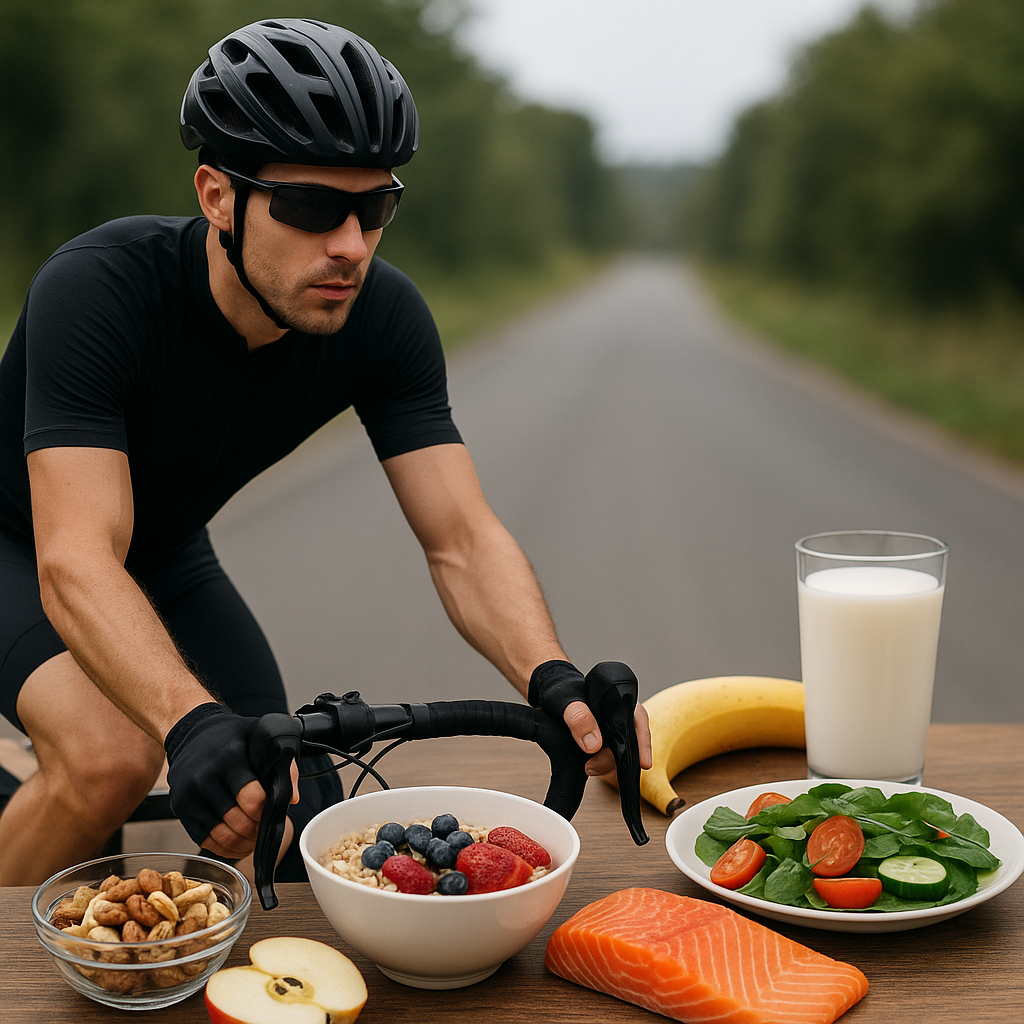
Optimal cycling performance hinges on more than just physical training. A cyclist’s diet acts as the foundation for sustained endurance, rapid recovery, and peak overall performance. By understanding how to balance macronutrients, maintain proper hydration, and time meals effectively, riders can push past personal limits and achieve greater results on every ride.
Nutrition and Energy Management
Importance of Balanced Macronutrients
Fueling the body for long rides or intense interval sessions requires a deliberate combination of carbohydrates, proteins, and fats. Carbohydrates serve as the primary energy source, especially during high-intensity efforts. Whole grains, fruits, and vegetables provide complex carbs that translate into a steady release of fuel, avoiding sudden energy crashes. Proteins support muscle repair and adaptation to training stress, while healthy fats help maintain hormonal balance and support endurance during lower-intensity segments.
Hydration Strategies
Staying hydrated is a non-negotiable aspect of cycling success. Even mild dehydration can lead to decreased power output, slower reaction times, and heightened fatigue. Effective hydration plans consider both water and electrolytes like sodium, potassium, and magnesium. Drinking small amounts of fluid every 10 to 15 minutes helps replace sweat losses and maintains optimal blood volume. For rides over an hour, adding a balanced sports drink or electrolyte tabs can prevent cramps and sustain performance.
Optimal Pre-Ride Nutrition
Eating the right meal before you mount the saddle sets the tone for the entire ride. Aim to consume a meal 2–3 hours ahead that offers 1.5–2 grams of carbohydrates per kilogram of body weight, moderate protein, and minimal fat to avoid gastrointestinal discomfort. Ideal pre-ride options include:
- Oatmeal topped with banana slices and a drizzle of honey
- Whole grain toast with nut butter and a side of berries
- Rice bowls with lean protein (chicken or tofu) and steamed vegetables
As you approach the one-hour mark before departure, small easily digestible snacks—such as an energy bar or a sports gel—can top off glycogen stores without weighing you down.
Fueling During Long Rides
For rides lasting longer than 90 minutes, in-ride nutrition becomes critical. The general guideline calls for 30–60 grams of carbohydrates per hour, ramping up to 90 grams for ultra-endurance cyclists tolerating multiple transportable carbs like maltodextrin and fructose. Practical fueling methods might include:
- Liquid fuel: Mixing carbohydrate powder in a bottle for easy sipping
- Solid snacks: Homemade energy balls or chews rich in oats and dried fruit
- Bars and gels: Portion-controlled, quick-release sources of glucose
Combining different carbohydrate sources optimizes absorption rates and reduces GI distress. Additionally, alternating between fluid-only and solid-based fueling can help you maintain both hydration and energy levels.
Recovery and Post-Ride Nutrition
The period immediately following a ride is your window to kickstart muscle repair and glycogen replenishment. Strive for a 3:1 or 4:1 ratio of carbohydrates to protein within 30 minutes of finishing. A simple recovery snack could be a chocolate milk, a smoothie with Greek yogurt and fruit, or a turkey sandwich on whole grain bread. Key points include:
- Replenish glycogen: 1–1.2 grams of carbohydrates per kilogram of body weight
- Promote muscle protein synthesis: 20–25 grams of high-quality protein
- Address inflammation: Include antioxidant-rich foods like berries or leafy greens
Hydration remains vital even after you dismount. Continue to sip water or an electrolyte beverage until your urine returns to a pale straw color, signaling adequate fluid balance.
Supplements and Special Considerations
While a well-rounded diet should cover most nutritional needs, certain supplements can offer marginal gains for dedicated cyclists. Popular and evidence-backed options include:
- Caffeine: Enhances alertness and reduces perceived exertion when timed 30–60 minutes before training
- Beetroot juice: Provides dietary nitrates that may improve blood flow and endurance
- Beta-alanine: Helps buffer muscle acidity during high-intensity efforts
- Omega-3 fatty acids: Support joint health and reduce exercise-induced inflammation
Before integrating any supplement, consult a qualified sports nutritionist or healthcare professional, especially if you have underlying medical conditions or are taking medications. Always prioritize whole foods before relying on pills or powders, and maintain a varied diet rich in fruits, vegetables, lean proteins, and whole grains.