Electric bicycles, commonly known as e-bikes, are transforming daily transportation with their blend of pedal assistance and innovative design. Commuters around the globe are evaluating whether these two-wheeled vehicles can replace traditional bikes and even cars on the daily grind. This article explores the advantages and disadvantages of opting for an e-bike to travel to work, while delving into aspects such as performance, cost, and overall impact on urban mobility.
Benefits of E-Bikes for Commuting
One of the most compelling reasons to choose an e-bike is the dramatic improvement in efficiency. Riders can cover longer distances while conserving physical energy, making it possible to arrive at the office without breaking into a sweat. Urban traffic jams and limited parking are common frustrations for car drivers, but e-bike users enjoy easier navigation through crowded streets and a broader range of parking options. Furthermore, the electric motor contributes to sustainability by emitting zero tailpipe pollutants and reducing reliance on fossil fuels.
Time Savings and Convenience
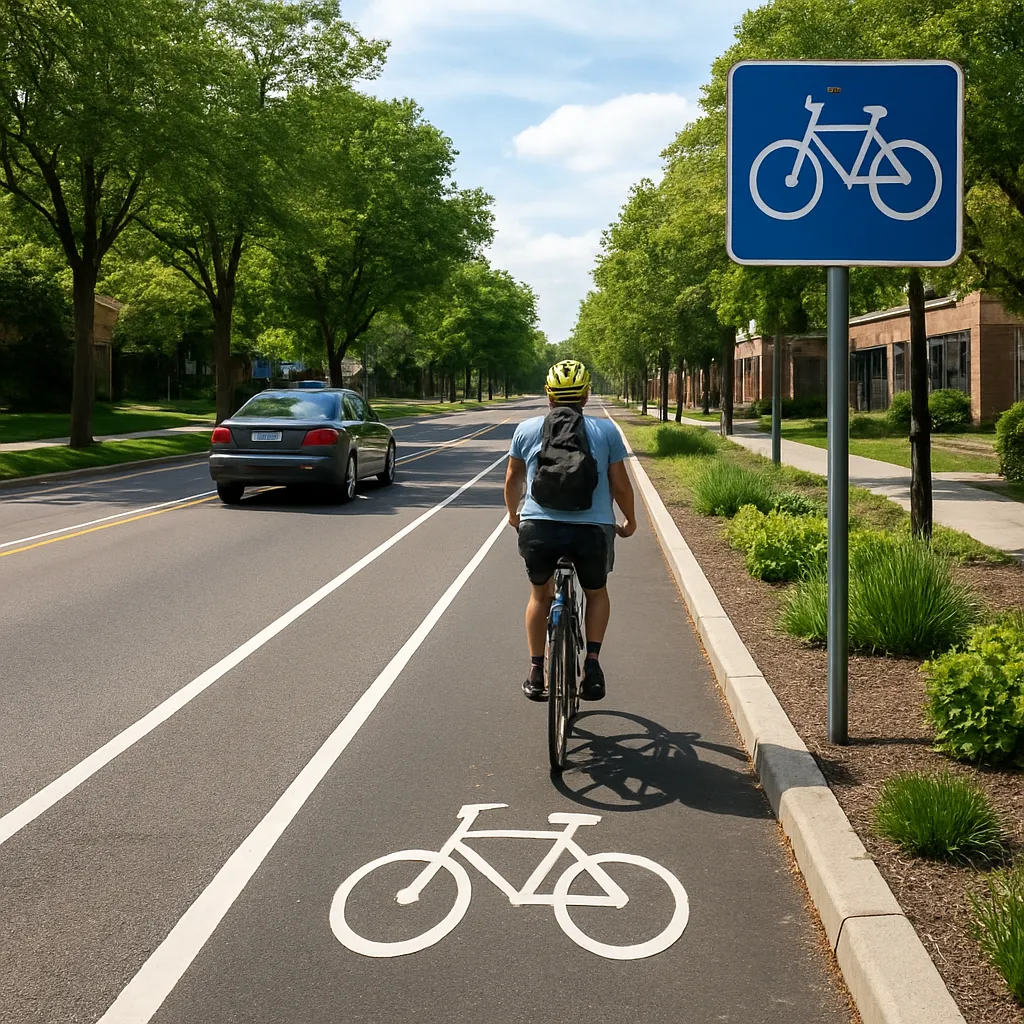
- Reduced commute time by avoiding gridlocked roads and using bike lanes
- Quick charging options: many e-bikes recharge fully within 3–6 hours
- Flexible drop-off points near office buildings and public transit hubs
Health benefits emerge as riders maintain moderate physical activity. Despite motor assistance, pedaling remains integral, promoting cardiovascular fitness and muscular endurance. This mild but consistent exercise can improve overall health and reduce stress levels compared to passive car or bus travel. Additionally, many employers now provide incentives or subsidies for staff who commute sustainably, turning e-biking into an attractive lifestyle choice both personally and professionally.
Drawbacks of Using E-Bikes
Despite their popularity, e-bikes carry several downsides that prospective owners must consider. The most notable is the initial cost. A quality e-bike often ranges from $1,000 to $5,000, significantly more than a standard bicycle. This upfront investment may be prohibitive for budget-conscious commuters. Battery replacement also represents an ongoing expense: after 500–1,000 recharge cycles, performance declines and a new battery can cost hundreds of dollars.
Weight and Portability Challenges
- Heavy frames and motors can push total weight over 50 pounds
- Limited portability on public transport or upstairs storage
- Potential strain when lifting or maneuvering in tight spaces
Another hurdle is the limited accessibility of secure parking and public charging points. Many cities lack dedicated e-bike racks with built-in power supplies, exposing users to theft risks and making long-distance journeys more challenging. Weather conditions can also diminish reliability: heavy rain, snow, or subzero temperatures affect battery output, reducing range and requiring backup plans for wet or icy roads.
Key Considerations When Choosing an E-Bike
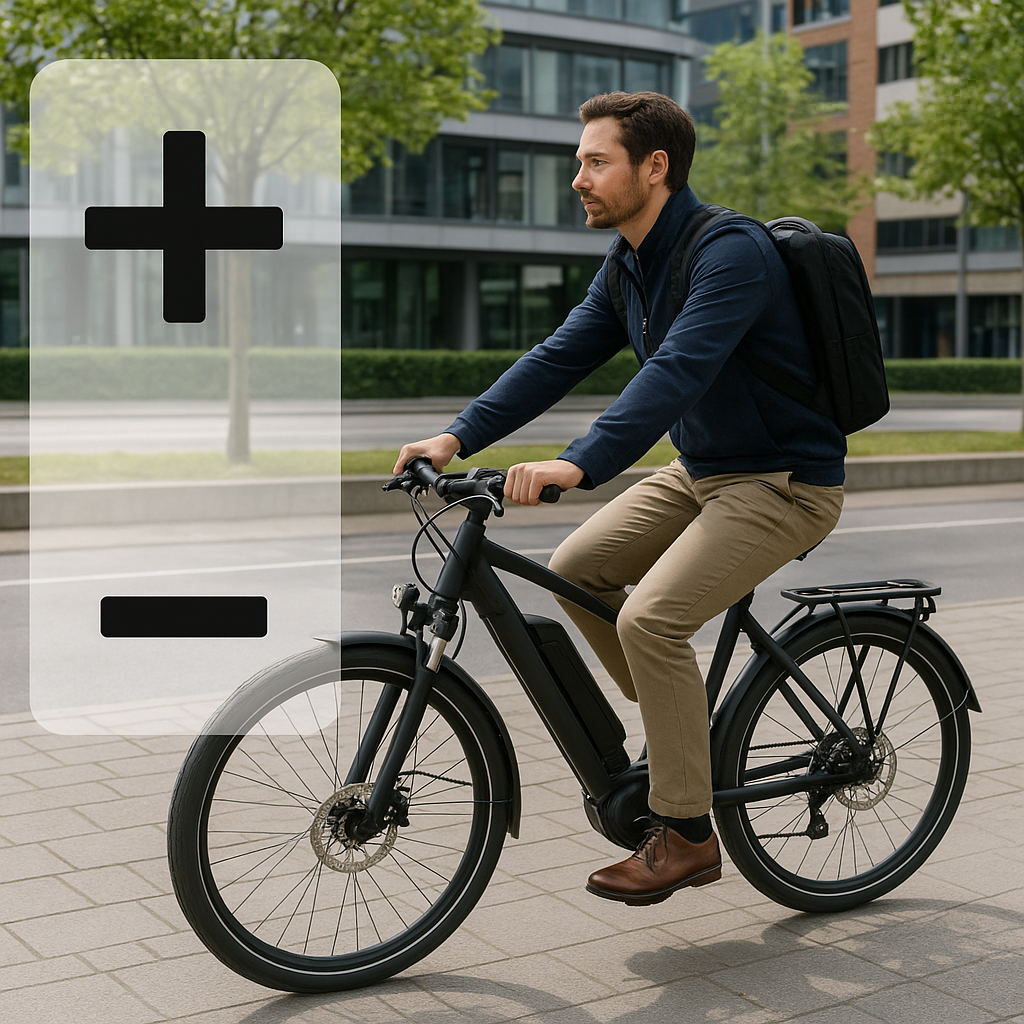
Selecting the right e-bike involves evaluating multiple factors to match individual needs. The type of motor—hub drive versus mid-drive—affects balance, acceleration, and maintenance. Hub motors are simpler and more affordable, while mid-drive systems offer superior hill-climbing power and even weight distribution. Buyers should also compare battery capacities, measured in watt-hours (Wh), to estimate realistic commuting range under various conditions.
Frame Styles and Rider Comfort
- Step-through frames for easy mounting and dismounting
- Mountain-style frames for rougher urban terrain
- Folding designs for multi-modal commutes
Accessories play a vital role too: integrated lights, fenders, and racks can add convenience but may increase total weight. Legal classifications differ by region; some jurisdictions cap assisted speeds at 20 mph, while others impose licensing or insurance requirements. Understanding local e-bike regulations ensures compliance and avoids unexpected investment in noncompliant equipment.
Best Practices for E-Bike Safety and Maintenance
Riding an e-bike safely requires both awareness and proper gear. Helmets, reflective clothing, and high-visibility lights are nonnegotiable, especially during dawn or dusk commutes. Many riders install horn or bell systems to alert pedestrians and vehicles, thereby reducing collision risk in busy city centers. Observing traffic laws and using dedicated bike lanes where available further enhances safety on shared roads.
Routine Upkeep and Charging Tips
- Regularly inspect brake pads, tire pressure, and chain tension
- Keep connectors clean and dry to prevent corrosion
- Store the battery at moderate temperatures for optimal lifespan
Proper charging habits can extend battery life. Avoid draining to 0% frequently, and aim for partial recharges between 20% and 80% state of charge. Clean drivetrain components with suitable lubricants, and periodically tighten bolts to prevent mechanical failures. By investing a few minutes each week in upkeep, riders protect their e-bike’s performance and ensure consistent commuting reliability.