Mountain biking transforms a simple bicycle ride into an exhilarating exploration of trails, terrains, and personal limits. Conquering rugged paths demands more than just pedaling power; it requires a combination of technique, preparation, and an intimate knowledge of your machine. This guide dives into the most critical aspects of mountain biking, offering insights and practical tips to help riders of all levels avoid common pitfalls and get the most out of every ride.
Understanding Your Bicycle: Components and Choices
Every mountain bike is built around a series of critical components that define its performance on the trail. Familiarizing yourself with these parts and how they interact can prevent frustration and mechanical failures during your ride.
- Frame: The skeleton of your bike, available in materials like aluminum, carbon fiber, steel, and titanium. Each offers unique trade-offs in weight, durability, and ride quality.
- Suspension: Front forks and rear shocks absorb bumps and drops. Choosing the correct travel distance and tuning air pressure can dramatically improve ride comfort and control.
- Drivetrain: Gears, chains, derailleurs, and cassettes determine your ability to climb steep inclines and maintain speed on flats. Regular cleaning and proper shift adjustments keep shifting crisp and reliable.
- Brakes: Disc or rim brakes transform speed into stopping power. Ensuring optimal lever feel and pad alignment prevents fade on long descents and maximizes braking confidence.
- Wheels and tires: Tire width, tread pattern, and pressure influence grip. Knowing how to tweak PSI based on trail conditions can enhance traction and reduce punctures.
Invest time in researching different builds and consult local experts before making a purchase. A properly matched bike sets the foundation for an enjoyable and safe riding experience.
Mastering Essential Riding Techniques
Technique often separates a weekend cruiser from a skilled trail rider. Honing these skills early can prevent bad habits and reduce the likelihood of crashes.
1. Body Position and Balance
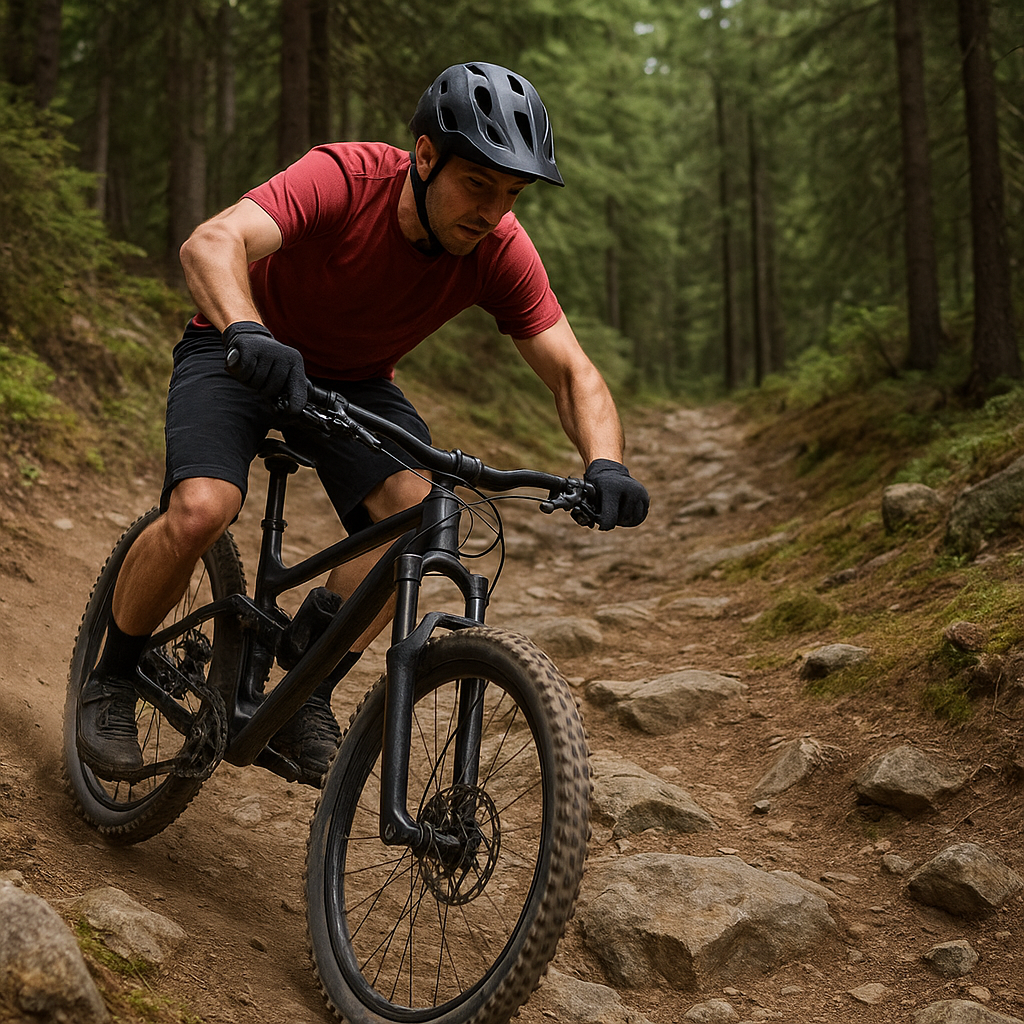
- Adopt an active stance: keeping elbows and knees slightly bent acts as a natural suspension.
- Shift your weight back on descents and forward when climbing to maintain balance.
- Stay relaxed; tension in your shoulders or grip can lead to fatigue and reduced control.
2. Cornering and Line Choice
- Look ahead: focus on your desired exit point rather than obstacles.
- Lean the bike, not your body; this technique preserves tire contact and grip.
- Modulate speed before the turn; maintaining momentum through roots and rocks enhances stability.
3. Climbing and Descending
- For climbs, keep your pedals level and use a seated position to conserve energy.
- On descents, lower your center of gravity by bending knees and elbows.
- Use both brakes together, but favor the rear on slippery surfaces to avoid over-steer.
Continuous practice on varied terrain builds confidence and muscle memory. Consider drills that isolate individual skills, such as bunny hops and track stands, to strengthen your overall repertoire.
Preventive Maintenance and On-Trail Repairs
Nothing ruins a ride faster than mechanical failure. Consistent maintenance keeps your bike in top shape and minimizes the risk of breakdowns miles from help.
Pre-Ride Checklist
- Inspect tire pressure and look for cuts or embedded debris.
- Check brake pads for wear and ensure rotors spin freely.
- Lubricate the chain and wipe away excess oil to prevent dirt buildup.
- Tighten bolts on the stem, headset, and seatpost to recommended torque settings.
Essential Tools and Spares
- Multi-tool with Allen keys, screwdriver, and chain breaker.
- Spare tube, tire levers, and a compact pump or CO₂ inflator.
- Quick link for emergency chain repairs and zip ties for on-the-fly fixes.
- Small first aid kit for minor scrapes and cuts.
Learning basic repair techniques—such as fixing a flat or adjusting a derailer—saves time and frustration. Practice these skills in your garage before needing them on the trail.
Planning, Nutrition, and Recovery Strategies
Beyond physical skills and bike upkeep, proper preparation off the bike can make each ride safer and more enjoyable. Addressing nutrition, gear selection, and post-ride care ensures consistent performance and long-term growth.
- Hydration: Carry enough water or electrolyte solution to prevent cramps. Consider a hydration pack for longer rides.
- Fueling: Energy bars, gels, and natural snacks like bananas provide quick calories for sustained effort.
- Weather planning: Use apps or local forecasts to anticipate rain, wind, or extreme temperatures. Dress in layers for quick adjustments.
- Recovery: Post-ride stretching enhances flexibility and reduces muscle soreness. Incorporate foam rolling for targeted myofascial release.
Setting realistic goals and gradually increasing ride intensity and duration prevents overuse injuries. A balanced routine includes rest days and cross-training activities like yoga or swimming to improve overall flexibility and strength.
Every trail offers a new lesson in riding, bike care, and personal limits. Embrace each challenge with patience and curiosity, and you’ll find mountain biking an endlessly rewarding pursuit.