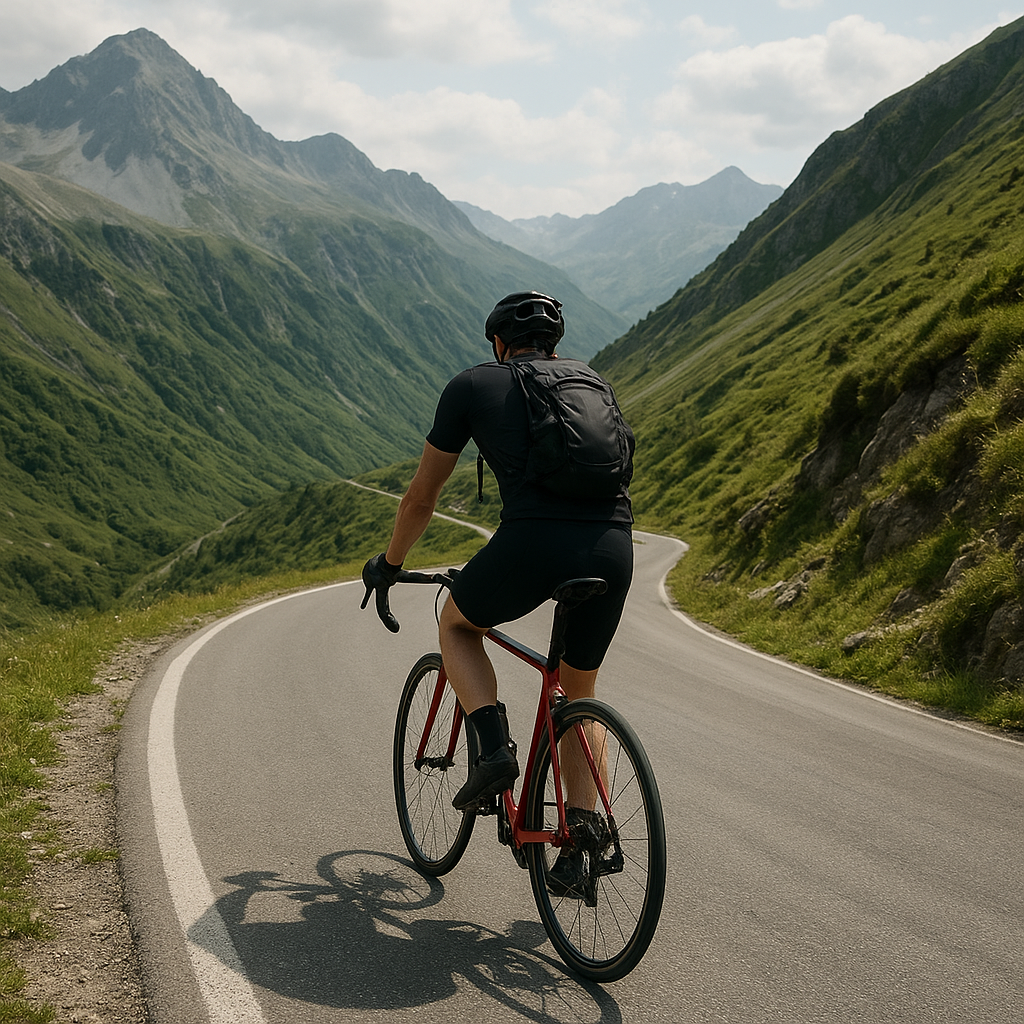
Embarking on your first mountain pass on a bike is an unforgettable challenge that tests both body and mind. With the right preparation, you can transform a daunting climb into a journey of self-discovery and achievement. This guide will walk you through essential steps—from mapping your route and choosing the perfect bicycle setup to mastering climbing technique and managing your hydration—so you can reach the summit with confidence and joy.
Planning Your Route and Selecting the Right Gear
Before you set off, detailed planning is crucial for ensuring a smooth ride. Start by researching trails and roads that match your current endurance level. Online platforms, local cycling clubs, and guidebooks often provide elevation profiles and surface conditions. Look for passes with well-maintained roads, moderate gradients, and accessible water stops.
Key Factors to Consider
- Elevation Gain: Calculate the total ascent to gauge daily targets.
- Surface Quality: Paved roads vs. gravel can dramatically alter your speed.
- Weather Patterns: Mountain climates change rapidly; prepare for wind and rain.
- Resupply Points: Identify villages or refuges for food and drink.
Equipping your bike properly is equally important. A lightweight road or gravel bike with a compact crankset will make steep pitches more manageable:
- Gear Ratios: Opt for a 50/34 crankset paired with an 11-32 cassette, or even wider for steeper sections.
- Quality tires: 28–32mm widths for road, 35–40mm for mixed surfaces, ensuring lower rolling resistance and puncture protection.
- Clipless Pedals and compatible footwear to maximize power transfer.
- A comfortable saddle and ergonomic handlebars to maintain focus on the climb.
Training Techniques and Climbing Strategy
Effective training combines strength work, endurance rides, and specific hill intervals. Building a solid aerobic base through long, steady rides will boost your overall performance. Include weekly hill repeats to adapt muscles and the cardiovascular system to sustained ascent.
Structured Interval Sessions
- Warm-up: 20 minutes at conversational pace.
- Climbing Intervals: 5 x 5 minutes at 85–90% of functional threshold power, with 5 minutes easy spin between efforts.
- Cool-down: 15 minutes of gentle pedaling to flush out lactic acid.
During the climb, focus on maintaining a steady cadence of 70–85 RPM. Avoid grinding in high gears, which can lead to premature fatigue:
- Shift early when gradient increases to keep momentum.
- Use seated and standing positions alternately to engage different muscle groups.
- Practice deep, rhythmic breathing to supply oxygen to working muscles.
Visualization techniques can also sharpen mental resilience. Picture yourself conquering each switchback and celebrating at the crest of the pass.
Nutrition, Hydration, and Pacing
Proper fueling is a cornerstone of any successful ride. Aim for 60–90 grams of carbohydrates per hour during demanding efforts. Use energy bars, gels, and electrolyte-rich drinks to sustain your endurance levels.
Pre-Ride and During the Climb
- Pre-ride meal: 2–3 hours before departure, choose a balanced combination of complex carbs (oatmeal, whole-grain toast) and protein.
- On-bike snacks: Bite-sized pieces of fruit, rice cakes, or homemade energy balls every 30–45 minutes.
- Hydration: Sip 500–750 ml of water or electrolyte drink per hour, adjusting for temperature and sweat rate.
Maintaining a conservative pace on the lower slopes prevents early burnout. Use a heart rate monitor or power meter to stay within 60–75% of your threshold for the first half of the climb, then gradually ramp up effort as you approach the final pitches.
Safety Measures and Mechanical Maintenance
Ensuring your personal and mechanical safety is non-negotiable. Mountain roads can be remote, so prepare for emergencies:
- Carry a fully charged mobile phone and a portable power bank.
- Pack a compact first-aid kit, including bandages, antiseptic wipes, and pain relievers.
- Bring cash or a credit card in case digital payments fail.
Essential Mechanical Checks
- Tire Inspection: Check for embedded debris and proper inflation (5–7 bar for road, 2.5–4 bar for gravel).
- Brake Function: Ensure pads have sufficient material and calipers are aligned.
- Drivetrain Care: Clean and lubricate your chain, derailleurs, and pulleys before departure.
- Spare Tools: Multi-tool, extra tube, patch kit, tire levers, and a mini-pump or CO₂ inflator.
On descents, control your speed with intermittent braking. Feather your brakes rather than continuous pressure to prevent overheating and fade. Stay alert for loose gravel or unexpected obstacles around blind corners.
Cultivating the Right Mindset for Success
Physical preparation is only half the battle. Cultivating a resilient mindset will help you overcome self-doubt and fatigue. Break the climb into smaller mental segments—focus on reaching the next hairpin turn or marker post rather than the entire ascent.
- Positive Self-Talk: Replace “I can’t” with “I am strong.”
- Mindful Breathing: Use rhythmic inhalations and exhalations to calm nerves.
- Reward Milestones: Celebrate small wins, like completing each kilometer or steep section.
By combining strategic planning, targeted training, proper nutrition, and unwavering determination, you’ll not only conquer your first mountain pass but also set the stage for many more epic rides to come. Embrace the climb and savor every pedal stroke on your journey to the top!