Commuting by bicycle offers not only a sustainable way to travel but also an opportunity to embrace the outdoors and improve personal health. To fully enjoy every ride, choosing the right clothing and gear for each season is essential. Whether you’re tackling a brisk winter morning or cruising through the heat of summer, thoughtful wardrobe planning enhances comfort, safety, and performance on two wheels.
Selecting the Right Layers
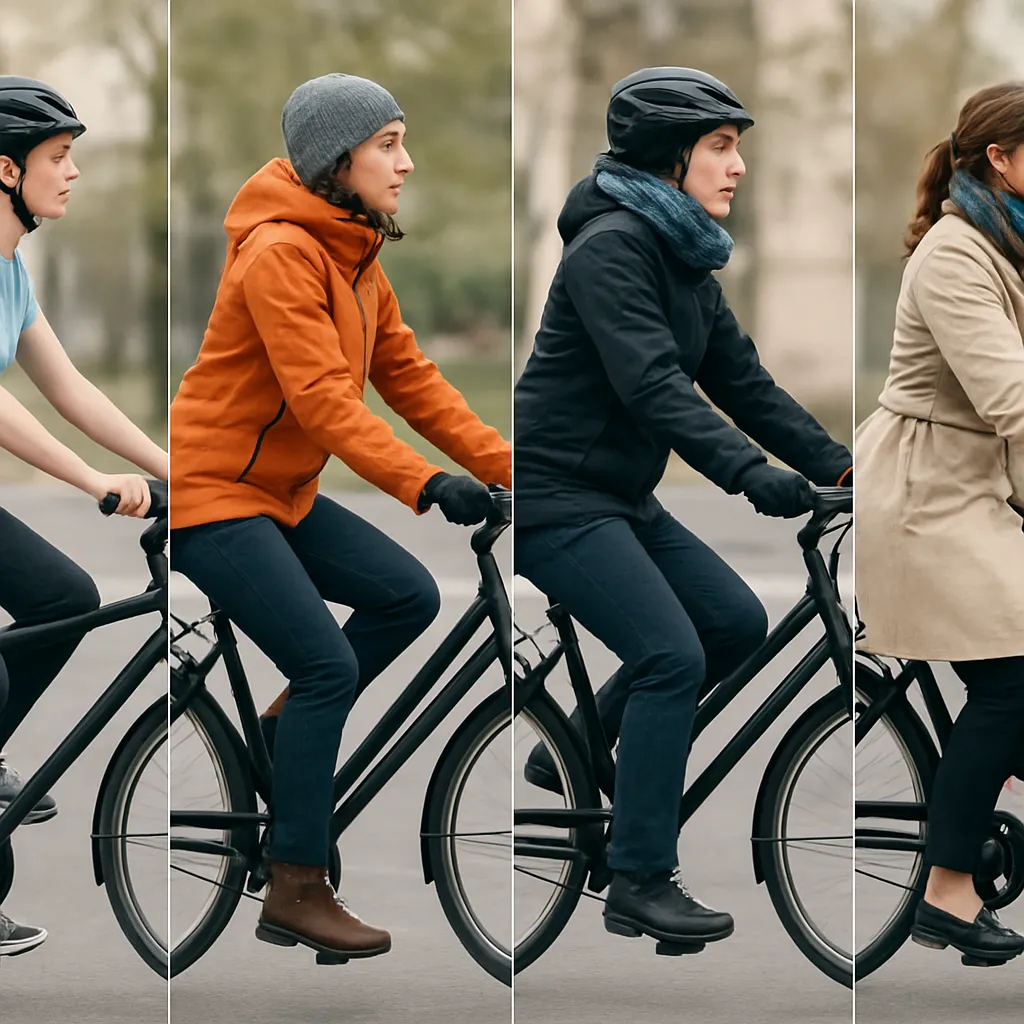
A reliable layering system is the foundation of any cycling wardrobe. Layering allows you to adapt to changing weather, regulate body temperature, and wick away moisture during intense efforts.
- Base Layer: Choose moisture-wicking fabrics such as merino wool or synthetic blends. These fabrics pull sweat away from the skin and help prevent chills when you slow down or stop.
- Mid Layer: For cooler conditions, a fleece or lightweight insulated jacket provides additional warmth. Look for breathable options that allow excess heat to escape.
- Outer Layer: A windproof and waterproof shell protects against rain and wind. Features like pit zips, adjustable cuffs, and a high collar improve ventilation and fit.
- Adjustability: Zippers, velcro straps, and modular components let you add or remove layers on the move, ensuring you never overheat or become too cold.
Choosing Fabrics Wisely
Natural fibres like merino are prized for odor resistance and temperature regulation, while technical synthetics often dry faster. For long commutes or variable weather, blend these materials to balance performance and durability.
Essential Accessories
Beyond core clothing, several accessory categories play a critical role in maintaining visibility and protection on the ride.
- Helmet: Always select a properly fitted helmet with adequate ventilation. Many models include MIPS or similar systems to reduce rotational forces during a crash.
- Gloves: In warmer months, lightweight gloves enhance grip and protect against blisters. In colder weather, insulated, touchscreen-compatible gloves keep your hands warm and connected.
- Eye Protection: Clear, tinted, or photochromic lenses shield your eyes from wind, debris, and UV rays. Swap lenses depending on light conditions.
- Footwear and Socks: Breathable cycling shoes with stiff soles optimize power transfer. In cold or wet seasons, add thermal shoe covers or waterproof overshoes.
- Reflective Gear: Vests, ankle bands, and helmet decals dramatically increase your presence in low light. Prioritize high-visibility yellow or orange combined with reflective strips.
Importance of Fit
Ill-fitting gloves pinch blood flow, and a loose jacket flaps in the wind, causing drag. Ensure each accessory hugs your body correctly without restricting movement.
Seasonal Strategies: Spring and Summer
When temperatures rise, preventing overheating and managing sun exposure become top priorities. A few key considerations help you stay cool and protected.
- Lightweight Jerseys: Opt for mesh panels and bright colors to enhance airflow and reduce heat absorption.
- Shorts or Bib Shorts: Padded cycling shorts improve comfort on longer rides. Look for moisture-wicking chamois and flatlock seams to prevent chafing.
- Sun Protection: Apply a broad-spectrum sunscreen with at least SPF 30 to exposed skin. A cycling cap under your helmet shields your forehead and keeps sweat out of your eyes.
- Hydration: Carry a two-bottle setup or hydration pack to maintain electrolyte balance. Consider freeze-resistant blends in early spring mornings.
- Ventilation Features: Jerseys with full-length zippers let you dump heat on steep climbs. Ventilated helmets and mesh gloves further boost cooling.
Managing Sweat
Excessive sweat can lead to dehydration and discomfort. Incorporating anti-odor fabrics and swapping damp garments during long commutes helps you stay fresh throughout the day.
Seasonal Strategies: Autumn and Winter
Cold-weather riding demands attention to insulation, windproofing, and layering to prevent heat loss while ensuring mobility.
- Thermal Jackets: Softshell jackets combine water resistance with breathability. Some models feature built-in insulation panels where heat loss is greatest.
- Base Layers and Tights: Move from shorts to full-length tights lined with brushed fleece. Thermal bib tights keep your core and legs warm during morning starts.
- Insulated Gloves and Socks: Cold extremities reduce blood flow and pedal power. Look for gloves with windproof palms and thermal socks or toe warmers.
- Neck Warmers and Balaclavas: Protect your neck, chin, and cheeks from biting winds. A thin balaclava under your helmet can make sub-zero temperatures manageable.
- Footwear Protection: Waterproof overshoes guard against puddles and slush. Some feature reflective strips for added safety in shorter daylight hours.
Preventing the Chill
Wind chill can sap body heat rapidly. Position windproof layers at the front of your torso, where airflow is strongest, while allowing your back to breathe freely.
Maintenance and Care of Cycling Apparel
Proper care extends the life of your cycling wardrobe and maintains performance characteristics.
- Washing Guidelines: Use gentle detergents designed for technical fabrics. Avoid fabric softeners, which can clog moisture-wicking fibres.
- Drying Techniques: Air dry away from direct sunlight to prevent UV damage. Tumble drying on low heat is acceptable for some shells but always check manufacturer instructions.
- Restoration Sprays: Reapply durable water repellent (DWR) treatments to restore waterproof capabilities on outer layers.
- Storage: Hang garments to retain shape and avoid creases. Keep long-term storage away from damp areas to prevent mold.
- Inspection: Regularly check seams, zippers, and velcro closures for wear. Early repairs avoid abrupt failures mid-ride.
Extending Garment Life
If you rotate several jerseys and jackets throughout the week, each item receives less frequent use, slowing fabric fatigue and preserving performance.
Optimizing Comfort and Performance
Beyond seasonal clothing, a well-tuned bicycle and thoughtful setup maximize enjoyment and efficiency on every commute.
- Proper Bike Fit: A professional bike fit ensures ideal saddle height, handlebar reach, and posture. This reduces strain and boosts power output.
- Gear Selection: Modern drivetrains with wide-range cassettes let you tackle steep hills with ease. Maintain a clean chain for smooth shifting.
- Suspension and Tire Choice: For mixed terrains or cobblestones, consider wider tires at lower pressures for increased comfort and grip.
- Lighting Systems: Rechargeable front and rear lights keep you visible to motorists and pedestrians in dawn or dusk conditions.
- Regular Service: Routine brake checks, wheel truing, and drivetrain lubrication prevent mechanical issues and ensure reliable performance.
The Holistic Approach
Combining proper attire with a finely tuned bike creates a seamless commute. When clothing, accessories, and equipment work together, you spend less time troubleshooting and more time enjoying the ride.