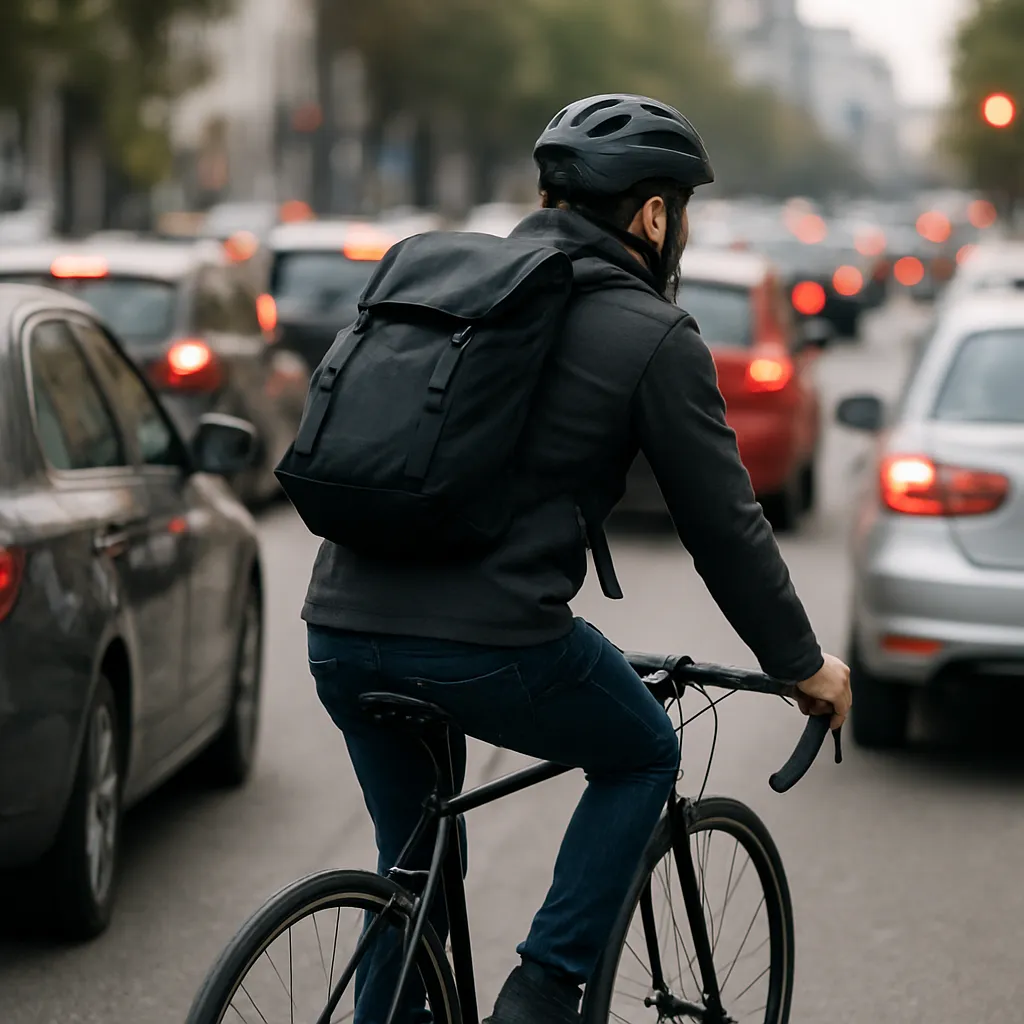
Cycling through crowded streets can turn a simple commute into a challenging adventure. Mastering the art of navigating heavy traffic not only keeps you safe but also enhances your ride experience. This guide explores practical tips and strategies to help you ride confidently in busy urban environments.
Planning Your Route and Timing
- Urban cycling success starts before you even leave home. Careful route planning can significantly reduce exposure to the most congested roads.
- Use mapping apps that highlight bike lanes and quiet streets. Look for alternative paths such as greenways, side streets, or dedicated cycle tracks.
- Avoid peak rush hours when possible. Commuting slightly earlier or later can mean the difference between a smooth ride and gridlock.
- Scan for construction zones and roadwork alerts. Temporary detours often force cyclists into narrow lanes or close proximity to vehicles.
- Plan rest stops and water breaks. Long stretches without breaks may lead to fatigue, affecting your situational awareness in traffic.
Essential Gear and Bike Preparation
Proper gear can be a lifesaver when riding in congested conditions. Below are the must-have items and maintenance checks to keep you protected and visible.
- Helmet: Always wear a well-fitted helmet certified by safety standards. A good helmet reduces the risk of head injuries in collisions.
- Lights: Front white lights and rear red lights are non-negotiable. Flashing modes increase visibility, especially at dawn, dusk, or in poor weather.
- Visibility gear: Reflective vests, ankle bands, and bright clothing make you stand out. Even in daylight, high-contrast colors help drivers spot you quickly.
- Bell or horn: Alert pedestrians and other cyclists to your presence without startling them.
- Mirrors: Bar-end or helmet-mounted mirrors expand your field of view, reducing blind-spot surprises.
- Tire and brake check: Inflate tires to the recommended pressure and inspect brake pads for wear. Responsive braking is crucial when traffic stops suddenly.
- Toolkit: Carry a multi-tool, spare tube, pump, and tire levers for on-the-go repairs. A minor mechanical issue can force you into high-risk areas if not fixed promptly.
On-Road Strategies for Safety and Confidence
Once you’re geared up and on your chosen route, these riding techniques will help you navigate traffic smoothly and assertively.
Maintain Predictable Patterns
- Hold a steady line within your lane. Sudden swerves can confuse drivers and lead to accidents.
- Use signaling consistently: extend your arm well before turning or changing lanes. Clear communication with motorists and other cyclists prevents misunderstandings.
- Avoid weaving between parked cars; dooring risks are high. Instead, position yourself where you’re visible and less likely to be squeezed.
Optimal Lane Positioning
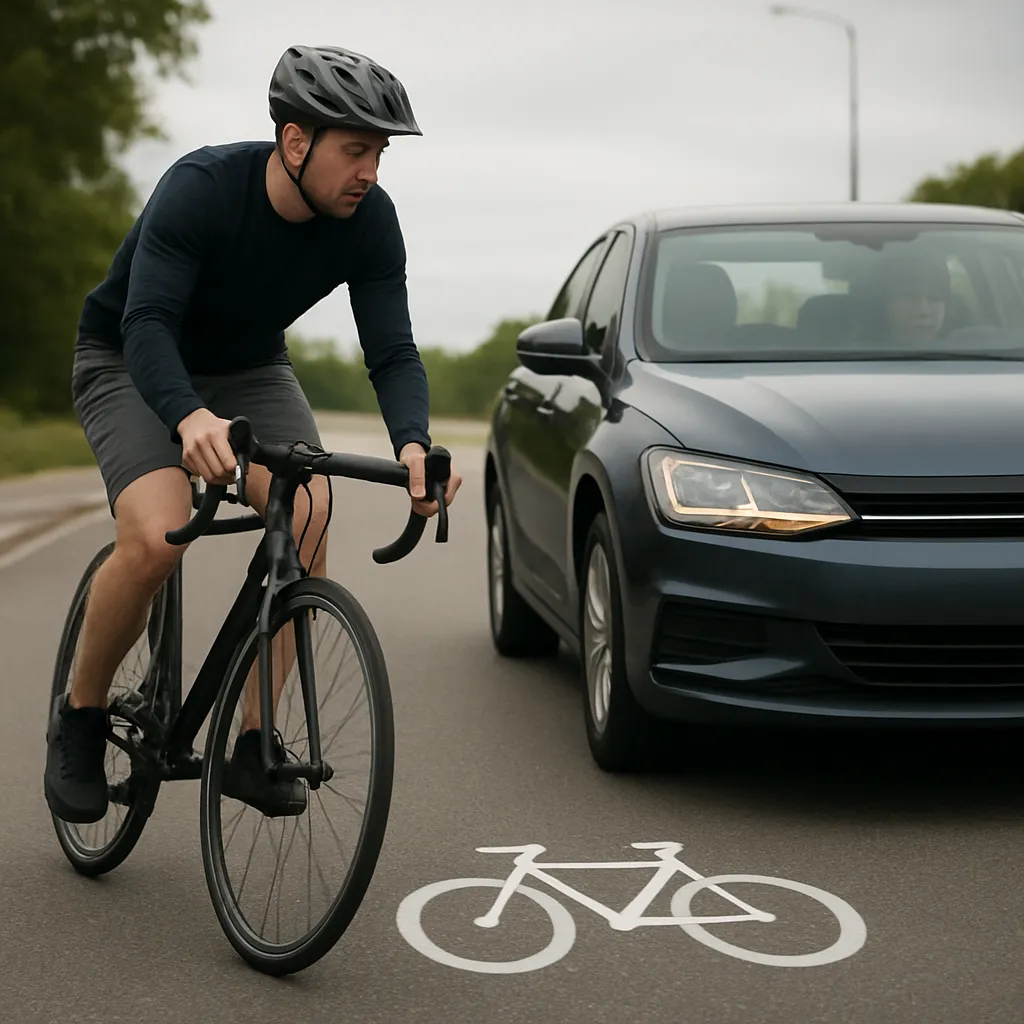
- Lane positioning isn’t about hugging the curb. Riding 1–1.5 meters from the curb gives you room to maneuver around obstacles and keeps you visible to drivers.
- In narrow lanes, take the center to prevent cars from overtaking dangerously close. It may feel bold, but it forces vehicles to change lanes fully before passing.
- When approaching intersections, occupy the middle of your lane to discourage right-hook collisions. This positioning signals your intent to go straight or turn.
Defensive Riding Techniques
- Defensive riding means anticipating hazards before they materialize. Scan ahead for brake lights, turning signals, or distracted drivers.
- Constantly check over your shoulder and glance at mirrors. Awareness of cars approaching from behind reduces the chance of being cut off or clipped.
- Keep a safe following distance. Tailgating a bus or large truck limits your escape route if it stops or makes an unexpected maneuver.
- Be prepared for unpredictable pedestrian movements, especially near bus stops, schools, or shopping areas.
Managing Stress and Road Etiquette
Heavy traffic can be mentally taxing. Balancing focus and calm improves both safety and enjoyment on the road.
Building Confidence and Composure
- Start with shorter rides in moderately busy areas to build skill and confidence. Gradually increase traffic density and distance as you become more comfortable.
- Practice deep breathing or rhythmic pedaling to maintain a steady heart rate and reduce anxiety.
- Visualize your route and anticipated challenges before riding. Mental rehearsal aids quick decision-making in real time.
Respectful Communication
- Use eye contact to acknowledge drivers at intersections. A nod or wave fosters mutual respect.
- Yield to pedestrians at crosswalks and sidewalks. Sharing the road courteously helps prevent conflicts and encourages goodwill.
- Signal lane merges or overtakes clearly, using both hand gestures and bike lights when possible.
- Apologize or thank drivers for giving you space or right of way. Politeness goes a long way toward safer roads for everyone.
Handling Unexpected Situations
- Stay calm if a vehicle passes too closely. Slow down or let it pass fully before resuming your pace.
- When faced with aggressive drivers, avoid retaliation. Maintain a safe distance and report dangerous behavior if necessary.
- If you must stop suddenly, look over your shoulder and give a clear hand signal before braking sharply.
Developing Long-Term Skills
Cycling proficiency grows with experience. Keep refining your techniques to handle busy streets with ease.
- Join group rides or cycling clubs to learn from seasoned urban cyclists.
- Attend safety workshops or defensive riding courses to sharpen your instincts.
- Review your rides using smartphone apps or cycling computers. Analyze speed changes, braking events, and routes to identify areas for improvement.
- Stay updated on local traffic laws and bike infrastructure developments. New bike lanes and regulations can change your optimal routes.
- Share insights and feedback with fellow cyclists through online forums or community meet-ups. Collective knowledge improves safety for all riders.