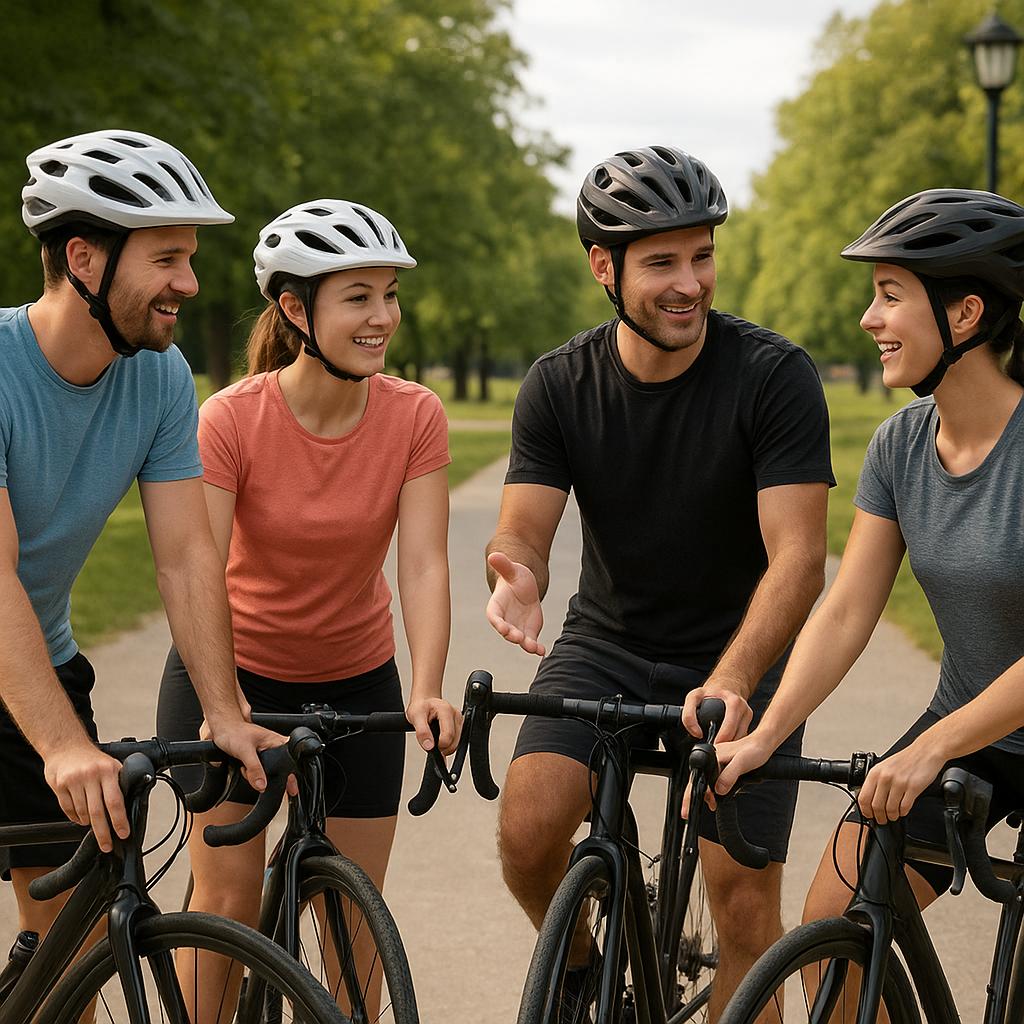
Building a thriving bicycle community requires more than just inviting people to ride together; it involves strategic planning, inclusive outreach, and persistent efforts to foster a sense of belonging. This article provides actionable steps to create a vibrant network of cyclists, ensuring that everyone—from beginners to seasoned riders—feels welcome and empowered. By focusing on collaboration, effective communication, and continuous growth, you can transform individual passion for cycling into a unified movement that benefits both participants and the broader area.
Planning and Outreach
Identifying Local Needs and Resources
Before launching any initiative, take time to research the current state of cycling in your neighborhood. Conduct surveys, hold informal conversations, or organize small meetups to determine the most pressing challenges—be it lack of safe bike lanes, limited repair facilities, or insufficient social events. Gather data on popular routes, high-traffic areas, and demographic trends. This information will help you pinpoint where your efforts can have the greatest impact.
- Assess existing infrastructure like bike lanes, parking racks, and repair stations.
- Identify local shops, schools, and nonprofits interested in sustainable transport.
- Map out potential hazards or bottlenecks along common cycling routes.
Building Partnerships
Strengthen your initiative by collaborating with diverse stakeholders. Local businesses, advocacy organizations, governmental departments, and community centers can all contribute valuable resources. By forging alliances, you boost credibility, resource availability, and outreach capacity. Encourage mutual promotion: sponsors gain visibility, while your community benefits from material support and expert knowledge.
- Approach bike shops for free maintenance workshops and sponsorship of events.
- Engage schools and colleges to involve youth groups, promoting early cycling habits.
- Coordinate with city planners to advocate for safer safety measures on roads.
- Partner with health organizations to highlight the wellness advantages of two-wheeled travel.
Leveraging Online Platforms
Digital channels play a pivotal role in uniting cyclists across geographic boundaries. Establish a dedicated social media group, a simple website, or an email newsletter. These platforms enable you to share event updates, safety tips, training guides, and inspiring stories. Encourage members to contribute photos, route suggestions, and testimonials, fostering a collaborative environment.
- Use apps like Strava or Komoot for route-sharing and ride tracking.
- Create a blog section offering articles on maintenance, nutrition, and local cycling news.
- Host virtual Q&A sessions with experienced cyclists or city officials.
- Implement polls to gather feedback and tailor future activities to community interests.
Organizing Engaging Activities
Group Rides and Skill Workshops
Regular group rides are the cornerstone of any vibrant community. Offer a variety of ride types—leisurely social spins, fitness-focused formations, and technical mountain-bike excursions. To accommodate all skill levels, clearly label each ride by pace, distance, and terrain. Complement rides with hands-on workshops covering basic maintenance, emergency repairs, and advanced techniques such as cornering and climbing.
- Start with a weekly “coffee ride” that combines a casual loop with a café stop.
- Host monthly “clinic days” for tire-changes, chain-lubrication, and brake adjustments.
- Organize interval-training or hill-repeat sessions for those aiming to enhance performance.
- Invite professional coaches or seasoned cyclists to lead skill-building drills.
Community Events and Fundraisers
Elevate your organization’s profile by hosting inclusive events that welcome non-cyclists and potential new members. Charity rides, bike-themed festivals, and family-friendly competitions generate enthusiasm while raising funds for local causes—such as park improvements or school biking programs. These gatherings solidify a shared sense of purpose, strengthening bonds among participants and attracting media attention.
- Plan an annual “Bike-in Movie Night” in a public park to merge culture and events.
- Coordinate a “Green Commute Week” encouraging workplace challenges for daily bike-to-work pledges.
- Organize a night-ride fundraiser to support road-safety awareness campaigns.
- Collaborate with artisans for pop-up markets featuring bike-themed merchandise.
Advocacy Campaigns
Advocacy is a vital component of creating long-term change. Mobilize your group to lobby for improved policies, additional bike lanes, and safer intersections. Develop petitions, meet with local officials, and present data collected from your rides to articulate the real-world impact of better cycling conditions. Engage media outlets to cover your initiatives, raising community-wide awareness and creating pressure for action.
- Draft a proposal for protected bike lanes in collaboration with urban planners.
- Organize letter-writing drives to city council members stressing the importance of cycling infrastructure.
- Promote public forums where residents can voice support and share personal experiences.
- Highlight success stories from neighboring regions to illustrate achievable improvements.
Sustaining Growth and Impact
Encouraging Member Leadership
Empower committed individuals to assume leadership roles. Form committees for rides coordination, event planning, digital outreach, and advocacy. By distributing responsibilities, you avoid burnout and leverage diverse talents. Offer training on organizational skills, conflict resolution, and public speaking to help volunteers excel in their positions.
- Rotate roles regularly to foster new ideas and prevent stagnation.
- Set clear goals, timelines, and evaluation criteria for each committee.
- Recognize contributions through awards, social media shout-outs, or small tokens of appreciation.
Maintaining Communication
Consistent, transparent communication cements trust and ensures members stay informed. Develop a content calendar for newsletters, social media posts, and meeting announcements. Encourage open dialogue—both online and in-person—so feedback is welcomed and acted upon. Regularly highlight achievements, upcoming events, and areas needing support.
- Use a shared calendar to consolidate all group activities in one place.
- Host quarterly town-hall meetings, virtual or in real life, to discuss progress.
- Implement a suggestion-box system—digital or physical—for continuous improvement ideas.
Measuring Success
Track metrics that align with your objectives, such as membership growth, event attendance, advocacy milestones, and social media engagement. Utilize surveys to gauge participant satisfaction and collect testimonials. By analyzing these metrics, you can adjust strategies, allocate resources effectively, and showcase tangible results to stakeholders.
- Record the number of new riders each month and retention rates.
- Evaluate event impact by tallying funds raised and media mentions.
- Monitor online engagement through likes, shares, and comments.
- Assess policy changes or infrastructure upgrades influenced by your advocacy.
Expanding Outreach
As your network matures, explore opportunities to broaden its reach. Host mentorship programs pairing experienced cyclists with newcomers to cultivate relationships. Address barriers by offering gear-lending libraries, subsidy programs, or guided tutorials on safe urban commuting. Engage underrepresented groups—seniors, people with disabilities, and diverse cultural communities—to ensure inclusive participation.
Your Commitment Drives Success—the more you invest time, energy, and creativity into this endeavor, the stronger your cycling community will become. Embrace challenges, celebrate milestones, and continually seek fresh avenues to engage both existing members and newcomers on two wheels.
Maintaining Momentum Through Innovation
Embracing Technological Advances
Technology can enhance your community’s offerings. Experiment with virtual reality for safety training, leverage GPS-enabled devices for real-time ride tracking, and use data analytics to optimize route planning. Host webinars on emerging concepts like e-bike integration and bike-sharing systems to keep members informed about the latest trends.
Fostering a Culture of Sustainability
Champion eco-friendly practices within your group. Encourage routine bike maintenance to prolong equipment life, reduce plastic waste by promoting reusable water bottles, and align with environmental nonprofits for joint clean-up rides. By prioritizing sustainability, you reinforce cycling’s role in mitigating climate change and enhancing urban livability.
- Organize repair clinics featuring swapped or donated parts to minimize landfill contributions.
- Partner with local recycling centers to responsibly dispose of unusable gear.
- Highlight carbon emissions saved through group commute challenges.
Celebrating Diversity and Inclusion
An inclusive community thrives on varied perspectives and experiences. Proactively welcome riders regardless of gender, age, ethnicity, or ability. Translate event materials into multiple languages, offer adaptive-bike sessions, and create affinity groups for underrepresented demographics. A truly diverse network enriches conversations, strengthens solidarity, and attracts broader support.
- Host a “Women & Non-Binary Cyclists” ride to encourage new participants.
- Celebrate cultural festivals by incorporating bike parades themed around community heritage.
- Facilitate support groups for riders with disabilities, showcasing adaptive cycling equipment.
Looking Ahead: Scaling and Evolution
To sustain long-term relevance, remain agile and observant of evolving community needs. Periodically revisit your mission and vision statements, updating them to reflect new challenges and opportunities. Whether expanding to neighboring towns or launching specialized sub-groups—such as cargo-bike enthusiasts or bike commuting networks—embrace change as a catalyst for innovation.