Cycling across a country is a thrilling adventure that combines physical challenge, scenic discovery, and personal growth. Whether you’re a weekend warrior or a seasoned rider, embarking on a cross-country journey demands careful preparation, the right equipment, and a resilient mindset. This guide will help you navigate essential aspects—from selecting a reliable bike to mastering on-the-road repairs and fueling your body mile after mile.
Choosing the Right Bicycle and Gear
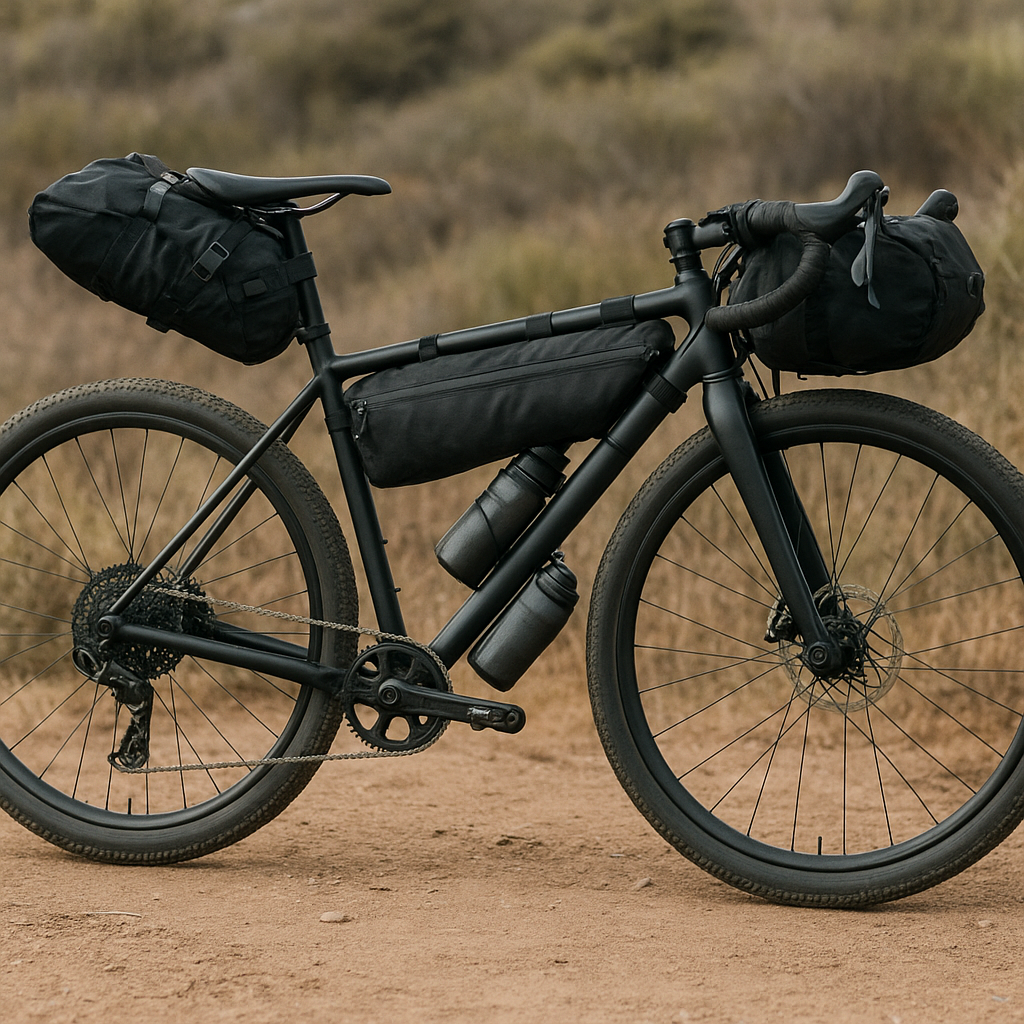
Your choice of bicycle lays the foundation for a successful expedition. Touring bikes, gravel bikes, and adventure-ready hybrids each come with strengths. When evaluating options, prioritize durability and comfort above all.
Frame Material and Design
Steel frames absorb vibrations and withstand rugged use, making them a popular choice among long-distance riders. Aluminum frames are lighter but can transmit more road buzz. Carbon fiber excels at vibration dampening but may be costlier to repair. Whichever you choose, ensure the geometry supports an upright riding position to reduce fatigue over extended days in the saddle.
Tires and Wheels
Opt for wider tires (32–45 mm) with tread patterns suited to mixed surfaces. Puncture-resistant layers add security, but always carry a reliable patch kit. Strong rims—preferably tubeless-ready—offer resilience against impacts and lower rolling resistance. Balance weight with robustness to find the sweet spot for your route.
Transmission and Gear Ratios
Long climbs and loaded setups demand a wide cassette range. Consider a 2×10 or 1×11 drivetrain that provides low-end gears for steep ascents. Regularly inspect your chain and cassettes; proper lubrication extends component life and smooths shifts, ensuring you conquer hills without strain.
Essential Accessories
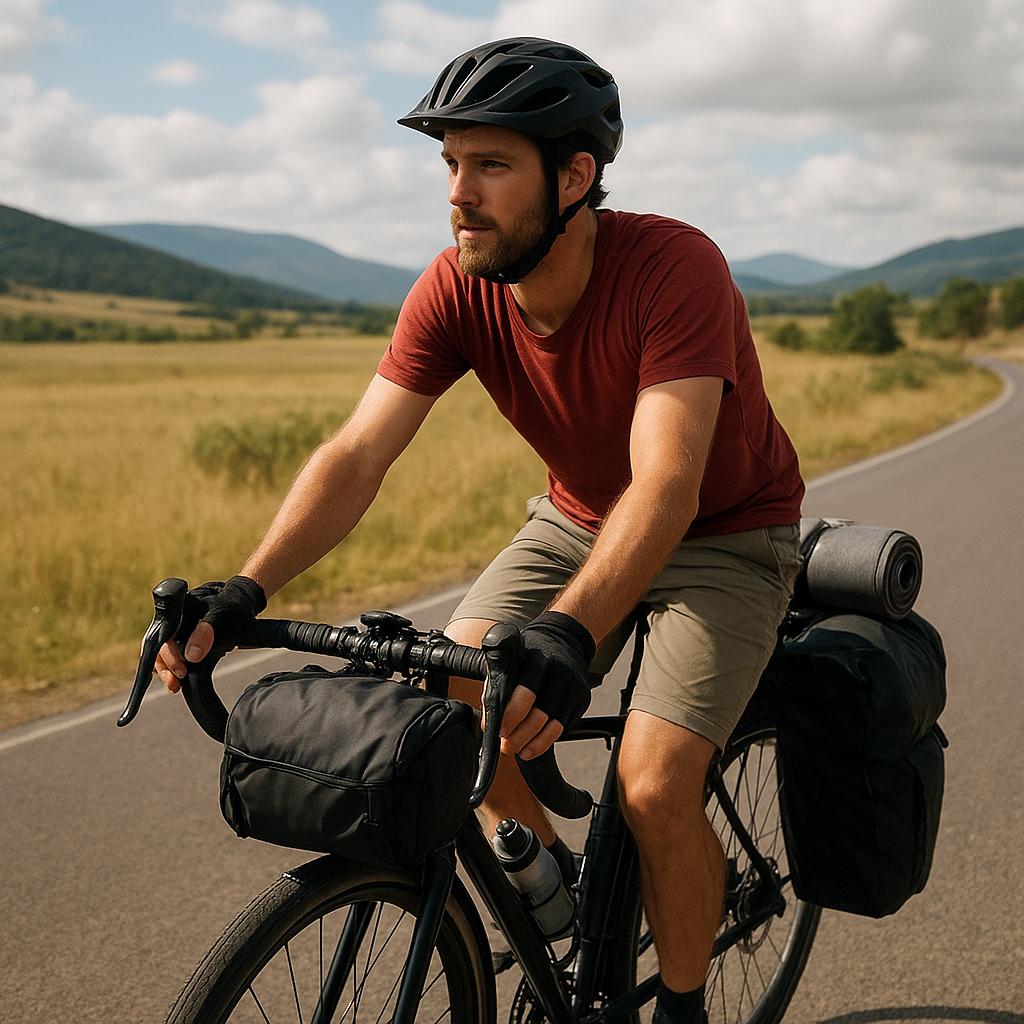
- Panniers or bikepacking bags: distribute weight evenly and keep items dry.
- Navigation devices: GPS computers or smartphone mounts with offline maps.
- Lights: high-lumen front and reliable rear lights for dawn, dusk, or tunnel passages.
- Mirrors, mudguards, and racks: tailor your setup to weather and terrain demands.
Planning Routes, Accommodation, and Daily Mileage
Meticulous route planning transforms an ambitious dream into a manageable itinerary. Balance scenic detours with rest days to protect your body from overuse.
Mapping Tools and Techniques
Use a combination of digital platforms (e.g., Komoot, Ride with GPS) and paper maps for redundancy. Flag resupply points, water sources, repair shops, and emergency access along the way. Aim for daily distances between 60 and 100 km, adjusting for elevation gains and weather conditions.
Accommodation Strategies
- Camping: lightweight tent or bivvy bag, permitted where wilderness camping is allowed.
- Warmshowers and hostels: connect with the cycling community for cultural exchange and local tips.
- Budget hotels and motels: a solid option when you need a hot shower and laundry.
Time Management
Start early to avoid peak sun and traffic. Schedule rest days every 4–6 riding days to recover muscle strength and tend to your bike. Keep a flexible attitude: weather, mechanical issues, or health concerns may prompt route adjustments.
Maintaining Your Bicycle on the Road
A proactive maintenance routine prevents minor issues from becoming trip-ending catastrophes. Familiarize yourself with basic repairs and carry a compact tool kit customized for your bike’s components.
On-the-Go Repairs
- Multi-tool: chain breaker, hex keys, screwdrivers, Torx bits.
- Spare tubes or patch kit (with glue and sandpaper).
- Mini-pump or CO₂ inflator for quick tire inflation.
- Chain lube: a small bottle to keep the drivetrain quiet and protected from abrasion.
- Zip ties and electrical tape: versatile fixes for rack failures or fender breaks.
Regular Checkpoints
Every morning and evening, inspect brake pad wear, wheel trueness, and spoke tension. Listen for unusual creaks or rubbing sounds. Tighten bolts to manufacturer torque specs—rusty or loose hardware often leads to bigger problems down the road.
Finding Local Mechanics
Identify bike shops along your route in advance. Store contact information and opening hours in your phone. In remote areas, seek help from outdoor gear stores or improvisational roadside fixes. Always carry digital photos of your components; visual references help mechanics source correct parts faster.
Nutrition, Hydration, and Physical Preparedness
Fueling your body is as critical as packing the right tools. Develop a nutrition plan that sustains energy levels and supports muscle repair.
Caloric Intake and Meal Planning
Long days on the bike can burn 4,000+ calories. Incorporate a mix of carbohydrates, proteins, and healthy fats. Breakfast might include oats with nuts and dried fruit, while lunch on the road could feature whole-grain sandwiches and energy bars. Dinner should focus on lean meats, legumes, or vegetarian proteins with vegetables and rice or pasta.
Hydration Strategies
Carry at least two water bottles or a hydration bladder. Sip consistently rather than waiting until parched. Electrolyte powders help replace sodium and potassium lost through sweat. Monitor urine color—light straw hues indicate proper hydration.
Training and Conditioning
Prior to departure, build a mileage base with weekly long rides, hill repeats, and back-to-back riding days. Cross-training—such as swimming or strength exercises—enhances core stability and injury resistance. Practice carrying loaded bags to adapt your body to the additional weight.
Rest and Recovery
Quality sleep is essential for endurance performance. Evaluate your tent setup or hostel environment for comfort. Post-ride stretching, foam rolling, and light massage help prevent muscle tightness. Consider compression garments to aid circulation on rest days.
Staying Connected, Safe, and Motivated
Beyond physical readiness, a successful voyage relies on sound safety practices and mental resilience.
Safety Precautions
- Share daily check-in status with a friend or family member.
- Carry a basic first-aid kit and know how to treat blisters, minor cuts, or sprains.
- Observe local traffic laws—wear a helmet and high-visibility clothing.
Building a Support Network
Join online forums and social media groups dedicated to long-distance cycling. Platforms like Reddit, Strava clubs, and Facebook communities offer advice and moral support. Real-time chats with fellow riders can solve on-the-spot dilemmas and boost morale.
Mindset and Goals
Set realistic daily objectives and celebrate small victories—managing a headwind, conquering a tough climb, or fixing a stubborn puncture. Keep a journal or blog to reflect on your journey. Embrace flexibility: inclement weather or mechanical setbacks are part of the adventure, teaching you adaptability and patience.
Engaging With Local Culture
Stop at local markets, eateries, and landmarks. Learning basic phrases in regional languages fosters goodwill and can lead to unexpected hospitality. Sharing a meal or stories with new friends enriches your trip and deepens cultural understanding.
Securing Gear and Planning for Emergencies
Emergencies can range from bicycle breakdowns to health issues. Prepare a contingency plan to ensure you’re never stranded far from help.
Essential Emergency Items
- Portable power bank and charging cables for phone and GPS.
- Emergency blanket and whistle for signaling.
- High-calorie snacks like nuts, gels, or chocolate bars.
- Copies of identification, travel insurance, and emergency contacts sealed in a waterproof bag.
Insurance and Legal Considerations
Verify that your travel insurance covers medical evacuation and bicycle theft or damage. Research local regulations regarding roadside camping and bike touring. Carry printed copies of important documents in case electronic access fails.
Financial Planning
Budget for daily expenses—food, lodging, occasional gear replacements—and include a buffer for unexpected costs. Use banking apps that allow easy access to funds abroad, and keep some cash in local currency for remote areas without ATMs.
Embracing the Journey
Cycling across a country is not just a physical quest; it’s a transformative experience that challenges your limits and broadens your horizons. By selecting the ideal bicycle setup, planning meticulously, mastering on-the-road mechanics, and maintaining peak physical and mental condition, you pave the way for an unforgettable adventure. Pack your bags, trust your preparation, and let the open road guide you to new discoveries.