Embarking on a bicycle journey through national parks offers a unique opportunity to connect with nature, challenge yourself physically, and leave behind the hustle of city life. To ensure that these pristine landscapes remain vibrant for generations, every rider must adopt responsible cycling practices. This guide outlines essential strategies to plan, ride, and contribute positively while exploring protected areas on two wheels.
Plan Your Route and Prepare
Before setting out on any national park adventure, thorough planning is paramount. Begin by researching park regulations, trail difficulty levels, and seasonal conditions. Check official park websites or visitor centers to obtain detailed maps and understand access points. Plotting your route with reliable GPS devices or mapping apps helps avoid unauthorized areas and fragile ecosystems.
- Secure any required permits or fees by contacting park authorities well in advance. Many parks limit daily entries to protect wildlife and maintain the quality of visitor experiences.
- Consider fitness levels and the elevation profile of the trails. National parks often feature steep climbs and remote sections, which can pose challenges even for experienced cyclists.
- Pack multi-day itineraries carefully, accounting for available water sources, campsites, or lodges. Overestimating distances allows for buffer time in case of mechanical issues, weather changes, or simply to soak in spectacular vistas.
- Share your itinerary with a trusted friend or family member. In case of an emergency, a clear plan can significantly speed up search and rescue efforts.
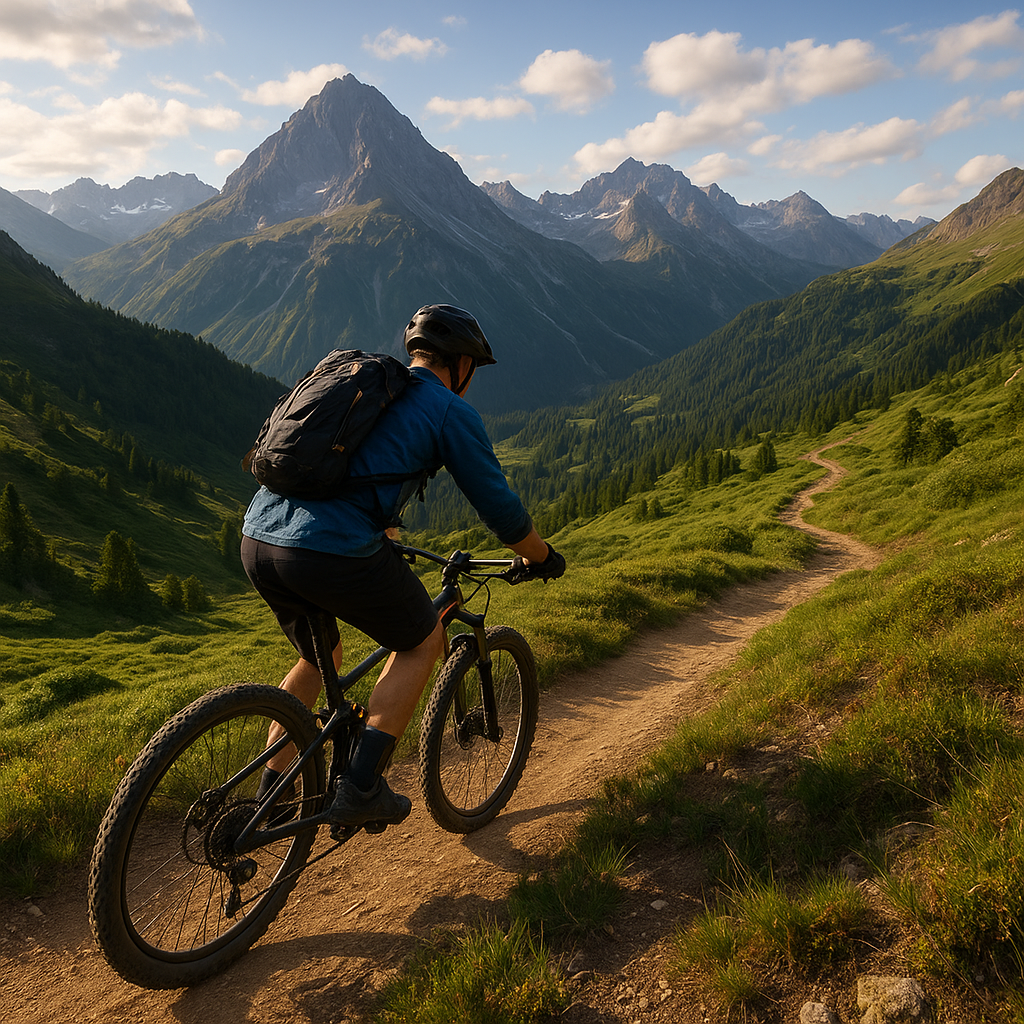
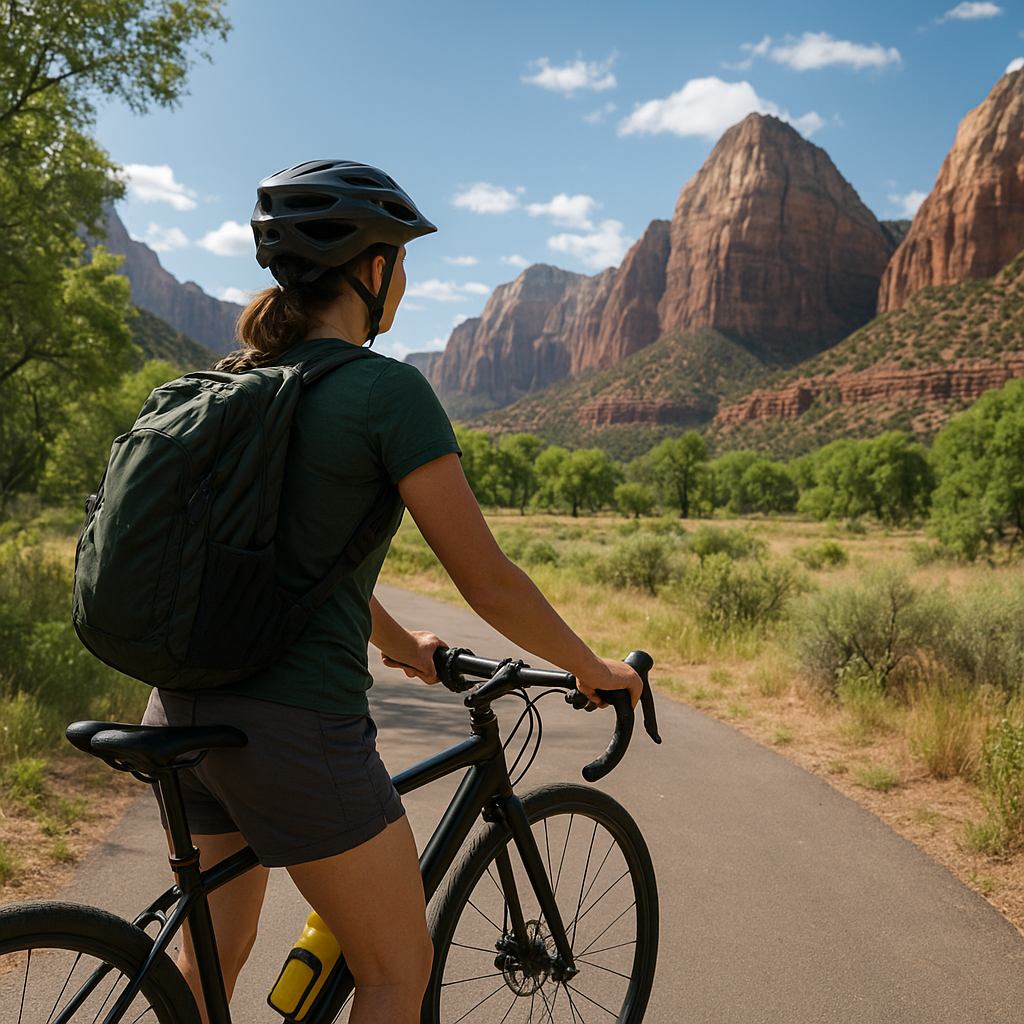
Gathering the right gear is equally essential. A sturdy, well-maintained bike suited to the terrain—whether a gravel bike for mixed surfaces or a full-suspension mountain bike for rougher singletrack—can make a dramatic difference in comfort and safety. Carry a repair kit with spare tubes, a pump, multi-tool, chain lube, and tire plugs. Always test your equipment on shorter rides to troubleshoot any mechanical weaknesses before entering remote park regions.
Environmental Best Practices
Cyclists have a special role in conserving the delicate balance of ecosystems and protecting biodiversity. By adopting a leave no trace mentality, you help preserve flora and fauna and minimize the impact of human activity. Here are fundamental practices to uphold:
- Stay on designated trails: Veering off established routes can cause soil erosion, disrupt plant communities, and harm animal habitats.
- Pack out all waste, including organic matter like fruit peels or leftover food. Even biodegradable items can attract wildlife, leading to unnatural feeding behaviors.
- Refrain from disturbing wildlife. Observing animals from a distance using binoculars ensures both your safety and the creatures’ well-being.
- Use eco-friendly cleaning products when washing gear or replenishing water containers at park faucets. Harsh chemicals can leach into streams, affecting aquatic life.
- Camp at approved sites only. When wild camping is allowed, choose durable surfaces like rock or gravel and avoid fragile meadows and undergrowth.
- Limit noise by speaking quietly and using minimal electronic devices. A peaceful environment promotes natural animal behaviors and a serene experience for all visitors.
Responsible cyclists understand that they share the park with countless species. It’s vital to leave nature as you find it, ensuring future visitors can marvel at the same unspoiled landscapes.
Safety and Gear Considerations
Prioritizing safety transforms a demanding cycling adventure into a rewarding journey. In environments where weather can shift rapidly and medical assistance may be hours away, being well-prepared saves lives.
Essential Gear
- Helmet certified by recognized safety standards. A well-fitting helmet significantly reduces head injury risks.
- High-visibility clothing and reflective accessories for increased visibility at dawn, dusk, or in foggy conditions.
- Layered clothing to adapt to temperature swings. Moisture-wicking base layers, insulating mid-layers, and waterproof outer shells form a versatile system.
- Gloves, knee pads, and elbow guards for off-road trails where falls are more common.
- Navigation tools: GPS device, compass, and a waterproof map as backup in areas with poor cell reception.
- First aid kit with supplies to treat common injuries such as blisters, cuts, sprains, and insect bites.
Emergency Preparedness
Accidents can happen despite meticulous planning. Establishing clear protocols boosts your confidence and ability to respond under stress:
- Learn basic backcountry first aid, including CPR, splinting techniques, and how to control bleeding.
- Carry a personal locator beacon (PLB) or satellite messenger. These devices can transmit distress signals and GPS coordinates to rescue teams when mobile networks fail.
- Stay informed about potential hazards such as flash floods, rockfalls, or encounters with large mammals. Understanding wildlife behavior—like bear or mountain lion ecology—reduces the likelihood of dangerous interactions.
- Practice mechanical repairs until they become second nature. Being able to fix a broken chain or replace a damaged tire avoids being stranded far from help.
Engaging with Local Communities
National parks often lie adjacent to rural towns where local economies thrive on tourism. By embracing respectful interaction, cyclists can foster positive connections and support community well-being.
- Purchase supplies from local shops or farmers’ markets. Investing in regional businesses strengthens livelihoods and encourages sustainable practices.
- Join guided tours or workshops led by park rangers or indigenous groups. These experiences deepen cultural awareness and reveal hidden aspects of park history and ecology.
- Volunteer for trail maintenance or habitat restoration projects. Contributing a few hours of service enhances trails you’ll ride and demonstrates your commitment to stewardship.
- Respect private property boundaries by following marked access roads. Trespassing can damage trust between landowners and outdoor adventurers.
- Support local conservation organizations by donating or participating in citizen science programs. Efforts like wildlife monitoring, plant surveys, or clean-up days yield long-term benefits.
By blending the joy of cycling with a spirit of stewardship and community engagement, every ride through a national park can leave a legacy of responsibility and gratitude. Sustainable adventures not only enrich our lives but safeguard these natural treasures for fellow riders and future generations.