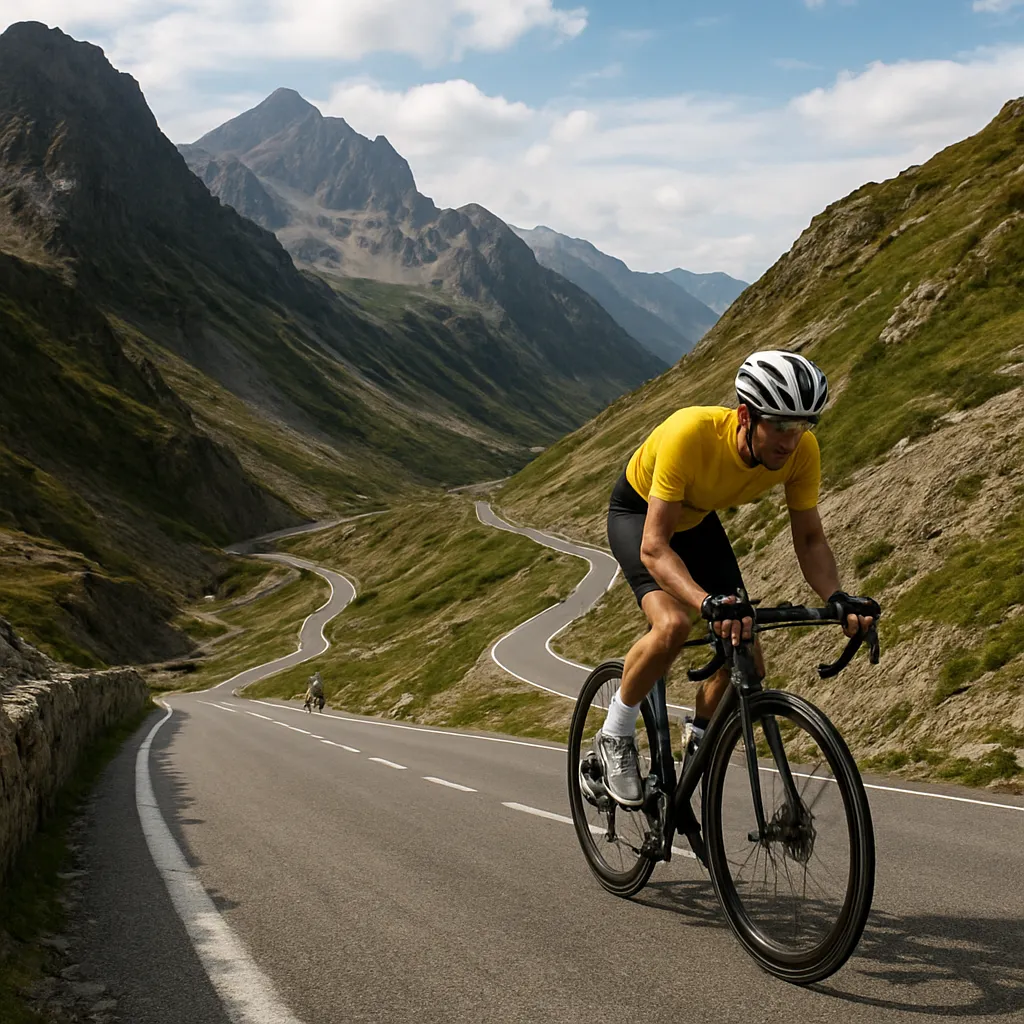
Cycling is more than a hobby; it’s a journey of exploration, health, and freedom. Whether you’re a casual rider or a dedicated enthusiast, understanding the essentials of your bicycle and its upkeep can transform every ride into a rewarding experience. This guide dives into selecting the perfect ride, mastering basic upkeep, tackling the dreaded flat tire, and gearing up for safe adventures.
Choosing the Right Bicycle
Picking the ideal ride starts with identifying your riding style and intended terrain. A mismatch between bike type and use can lead to discomfort, poor performance, or early wear. Follow these key considerations to find your match:
- Purpose: Commuting, trail riding, racing, or urban errands?
- Frame Material: Aluminum for lightness and affordability; steel for strength and durability; carbon fiber for high-end performance.
- Wheel Size: 26″ for agility; 29″ for obstacle clearance; 700c for road speed.
- Suspension Type: Rigid for city smoothness; front suspension for light trails; full suspension for rugged terrain.
- Fit & Comfort: Proper stand-over height, handlebar reach, and saddle position are crucial for efficient pedaling and reduced fatigue.
Test-ride several models to sense frame geometry and ride feel. A well-fitted bicycle encourages more frequent rides and long-term satisfaction.
Essential Maintenance Skills
Regular upkeep ensures a smooth, safe ride and extends the lifespan of your machine. Cultivating basic maintenance skills empowers riders to address minor issues before they escalate:
Cleaning & Lubrication
- Clean drivetrain components with degreaser and a brush.
- Apply chain lube sparingly, wiping off excess to prevent grit buildup.
- Wipe frame and accessories down after muddy or wet rides to prevent corrosion.
Brake & Gear Inspection
- Check rim brakes or rotors for wear, ensuring even pad contact.
- Adjust cable tension for crisp gear shifts; consider replacing cables if frayed.
- Inspect brake fluid levels on hydraulic systems and bleed if spongy response occurs.
Tire & Wheel Care
- Maintain recommended tire pressure for optimum grip and reduced punctures.
- True wheels by adjusting spoke tension to eliminate wobbles.
- Replace worn or cut tires before tread vanishes entirely.
Establish a routine checklist to perform these tasks every month or after intensive rides. Proactive repair minimizes downtime and keeps you rolling.
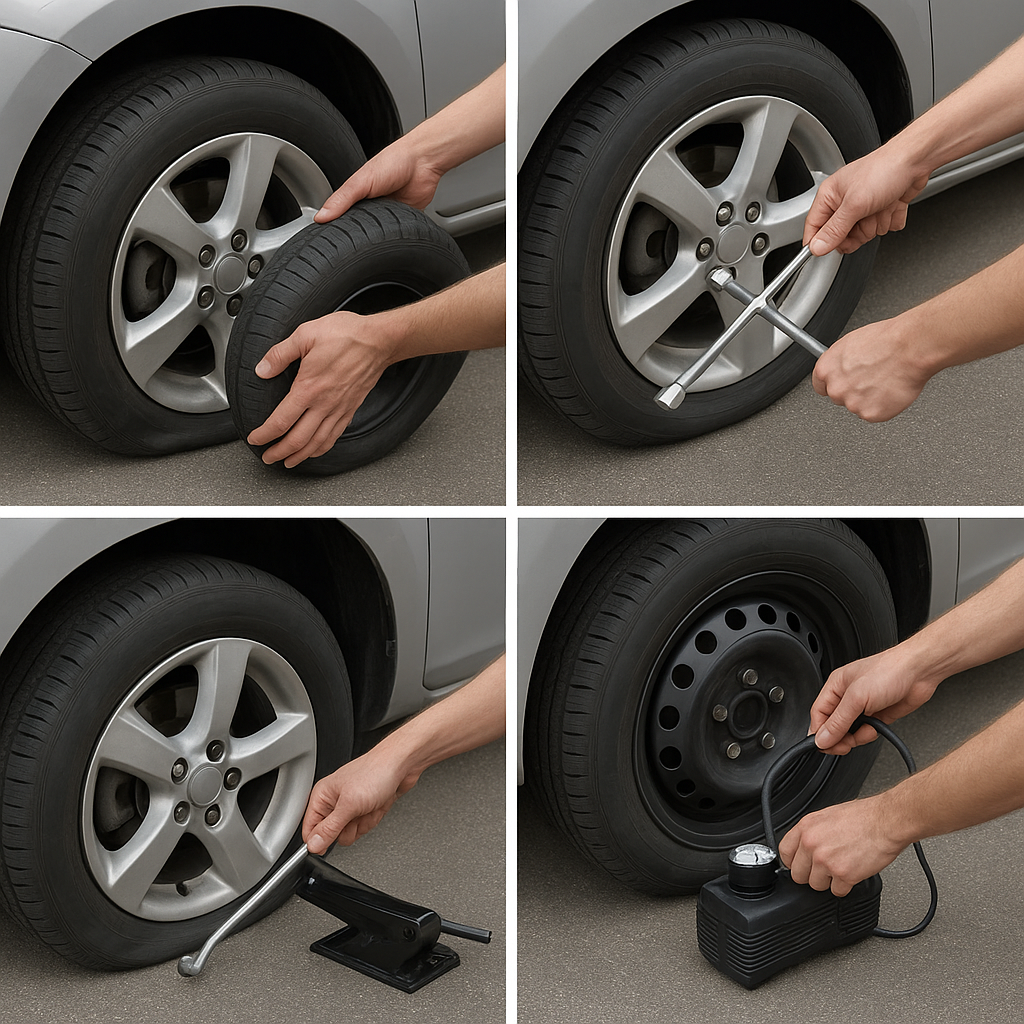
Fixing a Flat Tire – Step-by-Step Guide
Encountering a flat tire mid-ride can feel frustrating, but with the right approach and tools, you’ll be back on the trail swiftly. Keep a compact repair kit in your pack, including tire levers, a spare tube or patch kit, and a portable pump or CO₂ inflator.
1. Remove the Wheel
- Shift to the smallest cog or chainring to ease wheel removal.
- Release the brake caliper if necessary to clear the tire.
- Open the quick-release lever or unscrew axle nuts, then lift the wheel free.
2. Extract the Tube
- Insert tire levers under the bead and pry one side of the tire onto the rim.
- Slide a lever along the rim to unseat the bead fully, then pull out the tube.
- Inflate the tube slightly to locate the puncture by listening or feeling for escaping air.
3. Patch or Replace
- For patching: Roughen the area around the hole, apply glue, let it tack, then press the patch firmly.
- For replacement: Fully inflate the spare tube to remove any twists, then seat it inside the tire.
4. Reinstall the Tire & Wheel
- Fit one tire bead onto the rim, insert the tube, then work the second bead back on by hand.
- Ensure no tube is pinched between the rim and tire bead.
- Inflate to recommended pressure, reseat the wheel, and secure the brake.
Test your repair by spinning the wheel and applying brakes before riding off. Mastering this process turns flats from a headache into a quick adjustment.
Safety and Essential Accessories
Riding prepared significantly reduces risks and enhances your overall experience. Equip yourself with both protective gear and functional accessories:
Protective Gear
- Helmet: Choose a certified model that fits snugly and ventilates well.
- Gloves: Provide grip and protect palms in falls.
- Eyewear: Shields eyes from debris, insects, and glare.
Visibility & Signaling
- Front and rear lights: Opt for bright, rechargeable LEDs.
- Reflective stickers or clothing: Increase visibility during low-light conditions.
- Bell or horn: Alert pedestrians and fellow riders of your presence.
Storage & Comfort
- Saddlebag or frame bag: Store snacks, multi-tool, and patches.
- Hydration pack or bottle cage: Stay hydrated on long rides.
- Comfort saddle or padded shorts: Reduce saddle soreness over extended distances.
Integrating these items ensures you’re prepared for varied conditions and emergencies, making each journey both safe and enjoyable.
Exploring New Horizons
With your bicycle well-chosen, maintained, and equipped, every outing becomes an adventure. Venture onto scenic paths, navigate urban streets, or challenge yourself on off-road trails. Along the way, you’ll discover the joys of self-reliant travel, the rush of speeding downhill, and the serene satisfaction of a well-executed repair.
Embrace the cycling lifestyle as a pathway to fitness, eco-friendly transportation, and boundless exploration. Every pedal stroke brings new sights, improved health, and a deeper connection to the world around you.