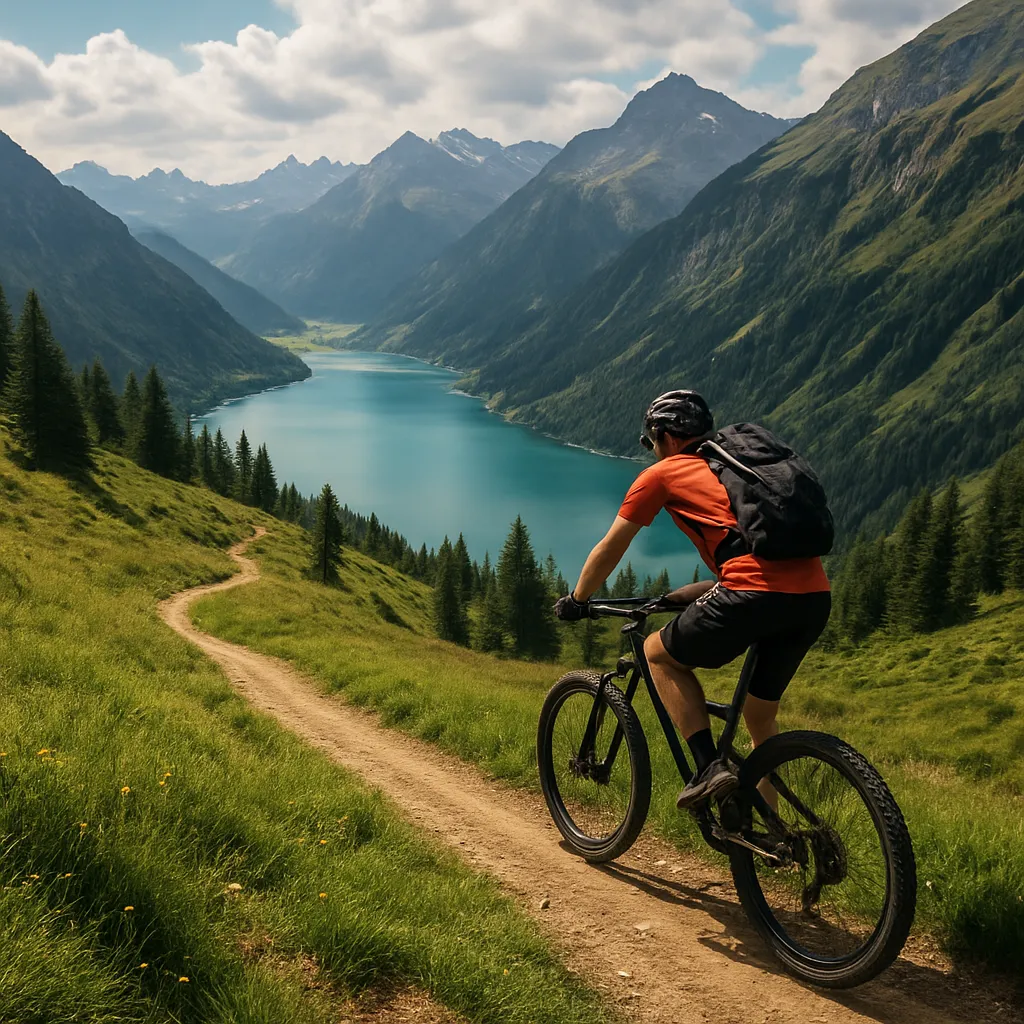
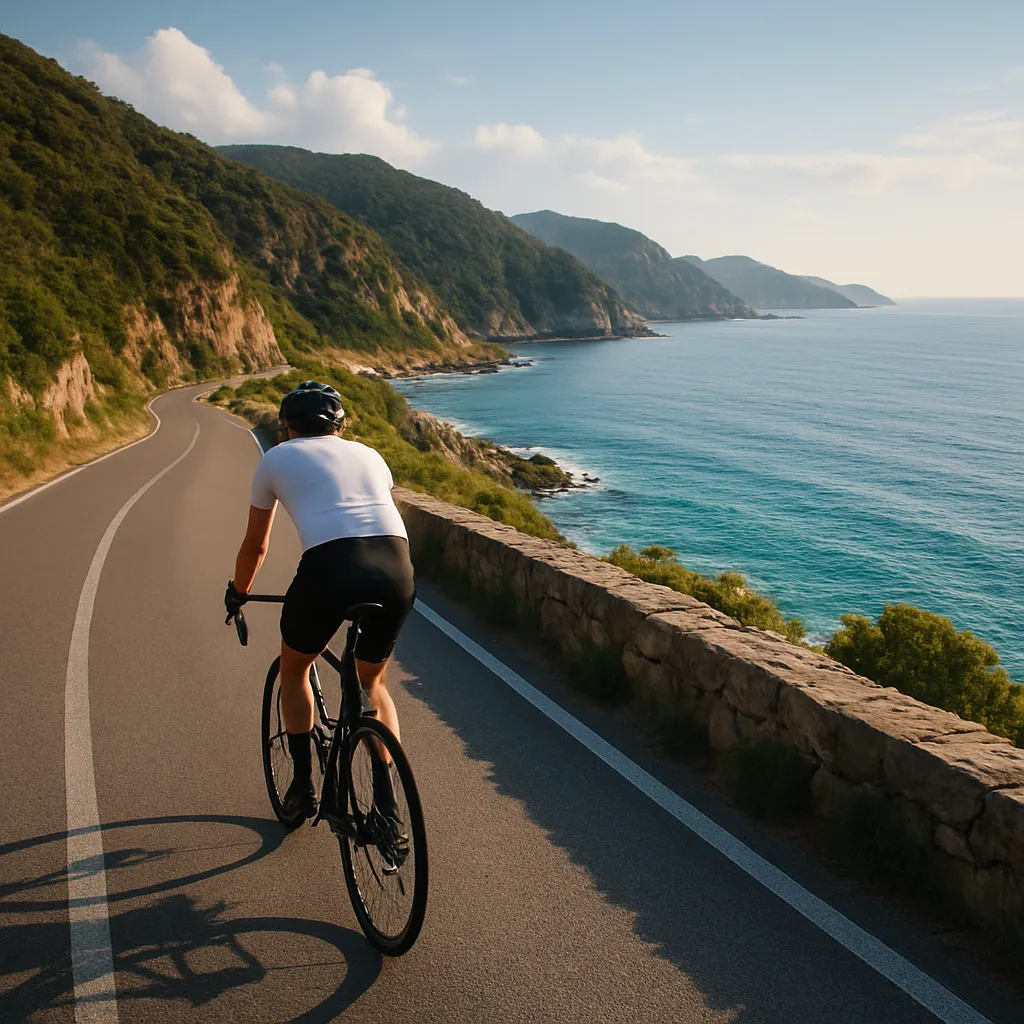
Taking a break from the saddle happens to many riders, whether due to busy schedules, minor injuries, or simply needing a change of pace. However, reigniting your passion for two wheels can bring back a sense of freedom and health that few other activities match. This guide will help you smoothly transition back into the world of cycling by focusing on essential aspects such as your gear, training strategy, mindset, and overall well-being.
Gear and Maintenance: Preparing Your Ride
Before hitting the road or trail, ensure your equipment is in top shape. Spending time on proper upkeep not only extends the life of your bicycle but also enhances safety and ride quality.
Inspecting the Frame and Components
- Check the frame for cracks, dents, or paint chips that could indicate structural issues.
- Examine the wheels: spin them to detect wobbles or lateral movement in the rims.
- Inspect brakes and rotors (for disc brakes) or brake pads (for rim brakes) to confirm even wear.
- Look at the drivetrain: chain, cassette, and chainrings should move smoothly without rust or excessive grime.
Tuning Up and Replacing Worn Parts
- Clean and lubricate the chain every few rides to prevent premature wear.
- Replace brake pads when they are less than 2mm thick to maintain safety standards.
- Inflate tires to the recommended pressure listed on the sidewall; underinflated tires can lead to flats and reduced efficiency.
- If you notice skipping gears, adjust the derailleur limits or consider new cables if shifting feels sluggish.
Upgrading for Comfort and Performance
- Experiment with padded or gel saddle inserts to reduce numbness on longer rides.
- Consider clipless pedals and matching shoes for improved power transfer and confidence in challenging terrain.
- Invest in a quality helmet, eyewear, and gloves to enhance protection and riding comfort.
Building a Structured Training Plan
Mapping out your return-to-cycling routine helps you progress steadily, avoid injuries, and sustain motivation. A balanced approach considers endurance, recovery, and skill work.
Setting Realistic Goals
- Define clear objectives: a century ride, a gravel event, or simply daily commuting.
- Break each target into smaller milestones—weekly distance increases or specific intervals of time in the saddle.
- Track your progress with a cycling app or a training journal to stay accountable.
Mixing Intensity Levels
- Easy rides (Zone 1–2) should constitute at least 60% of your volume to build base endurance without excessive fatigue.
- Include moderate rides (Zone 3) to improve aerobic capacity and handling of rolling terrain.
- Incorporate one high-intensity interval session per week: short efforts of 30 seconds to two minutes at high power output, followed by recovery.
Incorporating Skill and Flexibility Work
- Schedule sessions focused on cornering drills, braking practice, and low-speed handling to regain confidence.
- Add core-strength and stretching routines to support posture and reduce the risk of lower back pain.
- Allow for rest days or active recovery rides (very easy bike rides) to let muscles repair and adapt.
Nutritional Strategies and Hydration
Proper fueling ensures you have the energy to ride effectively and recover fully. Balancing macronutrients and staying hydrated are key factors in any athletic pursuit.
Pre-Ride Fueling
- Consume a carbohydrate-rich snack or meal 1–2 hours before longer rides (oatmeal, toast with nut butter, or a banana).
- Avoid heavy, greasy foods that can cause digestive discomfort on the bike.
During-Ride Nutrition
- For rides under 60 minutes, plain water usually suffices.
- On longer outings, aim for 30–60 grams of carbohydrates per hour in the form of energy gels, bars, or chews.
- Maintain electrolyte balance by using drinks that contain sodium, potassium, and magnesium, especially in hot weather.
Post-Ride Recovery
- Within 30 minutes, consume a 3:1 ratio of carbs to protein to jumpstart muscle repair—consider a smoothie with milk, fruit, and yogurt.
- Continue hydrating to replace fluids lost through sweat.
- Incorporate whole-food meals rich in lean proteins, whole grains, and colorful vegetables throughout the day.
Mental Preparation and Staying Consistent
Regaining your cycling form is as much a mental game as it is physical. Embracing a positive mindset and establishing routine habits will keep you on track.
Rekindling Motivation
- Join a local cycling group or find a training partner for camaraderie and external accountability.
- Set up challenges in your favorite fitness app that allow you to compete against friends or your own past records.
- Remind yourself of the benefits—improved mood, cardiovascular health, and a stronger connection with nature.
Dealing with Setbacks
- If illness or unexpected events force another break, ease back in with shorter, easier rides to rebuild confidence.
- Listen to your body: persistent aches or sharp pains are signals to rest or seek professional advice.
Tracking Progress
- Keep a simple log of ride duration, distance, and how you felt—patterns will emerge that help you optimize training.
- Use heart-rate monitors or power meters to gauge pace and effort objectively.
Exploring Different Cycling Disciplines
Diversifying your cycling experience not only prevents boredom but also challenges different muscle groups and skills.
Road Cycling
- Focus on smooth tarmac rides, with an emphasis on maintaining steady speed and group riding etiquette.
- Experiment with paceline formations to learn drafting techniques and improve efficiency.
Mountain Biking and Gravel
- Off-road routes enhance balance and technical proficiency while offering a scenic escape.
- Lower tire pressures and wider rims provide traction and comfort on rough terrain.
Indoor Training and Virtual Rides
- Smart trainers and online platforms let you simulate climbs, compete in virtual races, and ride with international communities.
- Structured indoor workouts are perfect when weather or time constraints limit outdoor cycling.
Safety and Etiquette on the Road
Being a responsible rider protects not only yourself but also other cyclists, motorists, and pedestrians.
Rules of the Road
- Obey traffic signals and ride predictably—use hand signals for turns and stops.
- Stay as far to the right (or left in left-hand traffic countries) as practicable without compromising stability.
Visibility and Communication
- Wear bright or reflective clothing, especially in low-light conditions.
- Equip your bike with front and rear lights; consider a flashing rear light for added awareness.
Respecting Fellow Road Users
- Give audible warnings when passing pedestrians or fellow cyclists: a friendly “On your left” can go a long way.
- Slow down and yield on shared paths to ensure harmony among all trail users.