Embarking on the journey to boost your cycling technique and speed demands a combination of **precision**, **consistency**, and a deep understanding of how your body and bicycle function as one. Whether you’re an aspiring racer or a weekend enthusiast seeking faster group rides, refining specific aspects of your ride can yield significant gains. This article delves into key strategies—ranging from bike fit to advanced training—that will help you pedal more efficiently, generate greater power, and ultimately ride faster with confidence.
Essential Bike Fit and Positioning
Achieving the ideal contact points between rider and machine is fundamental. A proper fit not only maximizes **efficiency** but also reduces the risk of injury. Minor adjustments can translate into a dramatic uptick in comfort and **performance**.
- Saddle Height: Set your saddle so that your leg has a slight bend—around 25–30 degrees—at the bottom of the pedal stroke. Too high can strain your hips; too low reduces power output.
- Saddle Fore-Aft: Align your knee over the pedal spindle when the cranks are horizontal. This ensures optimal hip alignment and transfers power directly to the pedals.
- Handlebar Reach and Drop: Your shoulders should remain relaxed. A reach that is too long or a drop that is too steep forces tension, compromising **cadence** and control on sprints or climbs.
- Cleat Positioning: Center the ball of your foot over the pedal axle. Adjust rotation to prevent knee pain and promote a smooth, round pedal stroke.
Pedaling Technique and Cadence Control
Mastering your pedaling mechanics is a game-changer. A smooth, circular pedal stroke enhances **power** delivery and reduces wasted energy. Focusing on your **cadence**—the rate at which you pedal—can help unlock steady speed improvements without burning out.
- High-Cadence Drills: Spin comfortably at 100–110 RPM for 5 minutes, followed by 5 minutes at your normal pace. Repeat 3–4 times to teach your neuromuscular system to fire more efficiently.
- One-Legged Pedaling: Clip one foot out and pedal with the other for 30 seconds, then switch. This isolates each leg and reinforces pulling through the bottom of the stroke.
- Palm Pressure Variation: Lighten your grip on the handlebars, allowing your core to stabilize the bike. Excessive hand pressure diverts energy away from the pedals.
Focus on feeling the entire stroke, imagining you’re scraping mud off the bottom of your shoe at the 6 o’clock position to engage hip flexors and hamstrings, not just your quads.
Peak Fitness: Structured Training Workouts
A well-rounded training regimen balances high-intensity efforts with endurance rides, ensuring growth in both **strength** and **endurance**. Incorporating targeted sessions keeps your body adapting over time.
High-Intensity Interval Training (HIIT)
- Warm up for 15 minutes at a moderate pace, spinning at 80–90 RPM.
- Perform 5 bouts of 3-minute efforts at 90–95% of your maximum heart rate, maintaining a cadence above 95 RPM.
- Recover for 3 minutes of light spinning between efforts.
- Cool down for 10 minutes to flush out lactic acid.
Endurance Base Rides
- Ride continuously for 2–4 hours at 60–70% of your maximum heart rate, keeping cadence around 80 RPM.
- Focus on steady breathing and maintaining a fluid pedal stroke.
- Nutritional Strategy: Consume 30–60 grams of carbohydrates per hour to sustain **power** output and prevent bonking.
Strength and Climbing Sessions
Hill repeats and low-cadence efforts build muscular resilience for surges and climbs:
- Find a 3–5% gradient climb lasting 5–8 minutes. Pedal at 60–70 RPM, focusing on engaging glutes and hamstrings.
- Repeat 4–6 times with full recovery between repeats.
- Off-the-bike: Incorporate squats and lunges twice weekly to enhance lower-body **strength**.
Core Stability and Flexibility
A strong, supple core stabilizes your torso, allowing the legs and arms to drive the bike without compensatory movements. This is crucial for sustaining high speeds and negotiating technical terrain.
- Plank Variations: Front planks and side planks, holding each for 45–60 seconds. Aim for three sets to fortify your midsection.
- Dynamic Stretching: Leg swings, hip openers, and torso rotations pre-ride to prime muscles and connective tissue.
- Yoga or Pilates: Weekly sessions improve overall **flexibility**, balance, and mind-body awareness.
Improving Aerodynamics and Equipment Choices
Reducing drag can have as much impact on your speed as boosting fitness. Smart equipment tweaks and an aerodynamic position help you slice through air resistance more effectively.
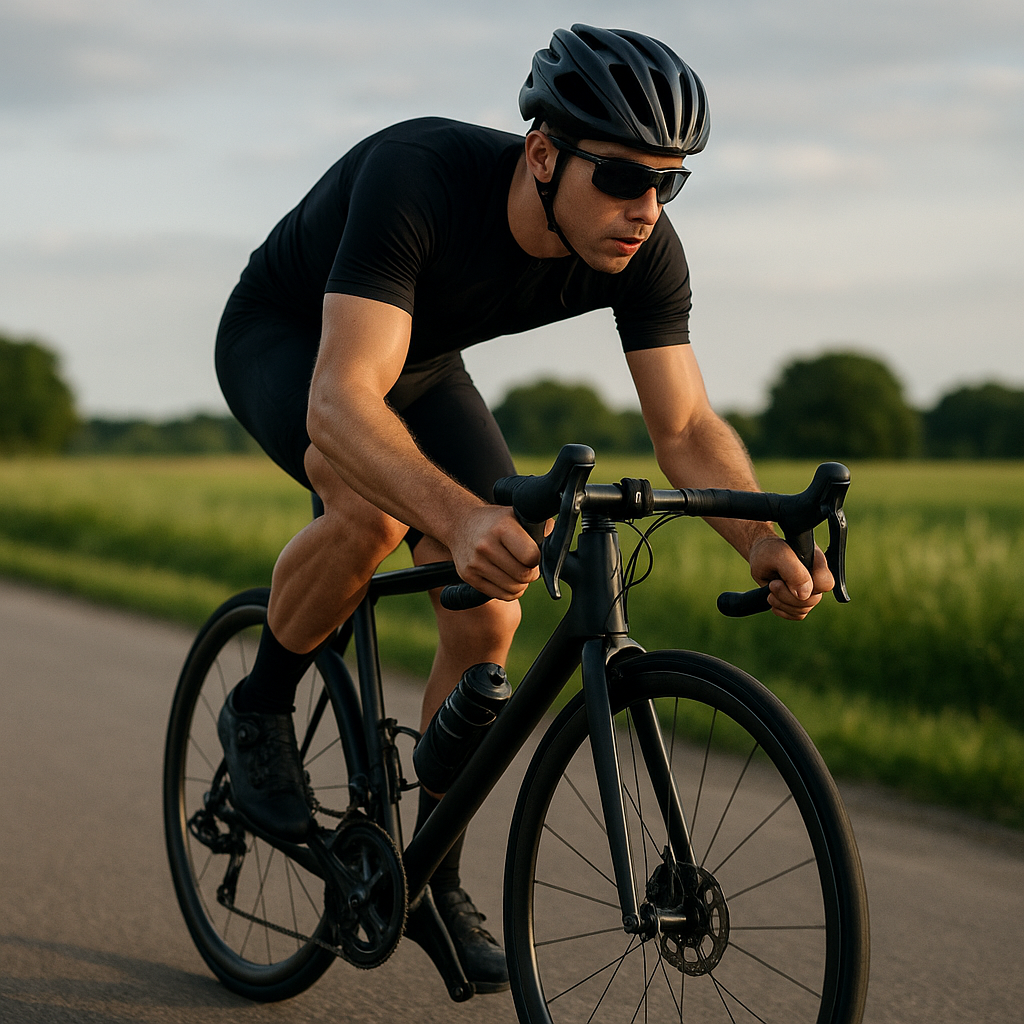
- Riding Position: Tuck elbows in, lower your torso, and maintain a flat back. Experiment with small changes to find the sweet spot between comfort and **aerodynamics**.
- Aero Bars: Use clip-on bars for time trials and solo efforts to reduce frontal area.
- Wheel Selection: Deeper-section rims offer lower drag at higher speeds but can be affected by crosswinds. Choose according to typical riding conditions.
- Apparel: Wear form-fitting jerseys and bib shorts. Avoid loose zippers or pockets flapping at speed.
Nutrition, Recovery, and Consistency
Fueling and rest are often overlooked but are vital pillars of faster cycling. Without adequate recovery, gains in **endurance** and **strength** will plateau.
- Daily Protein Intake: Aim for 1.6–2.0 grams per kilogram of body weight to support muscle repair.
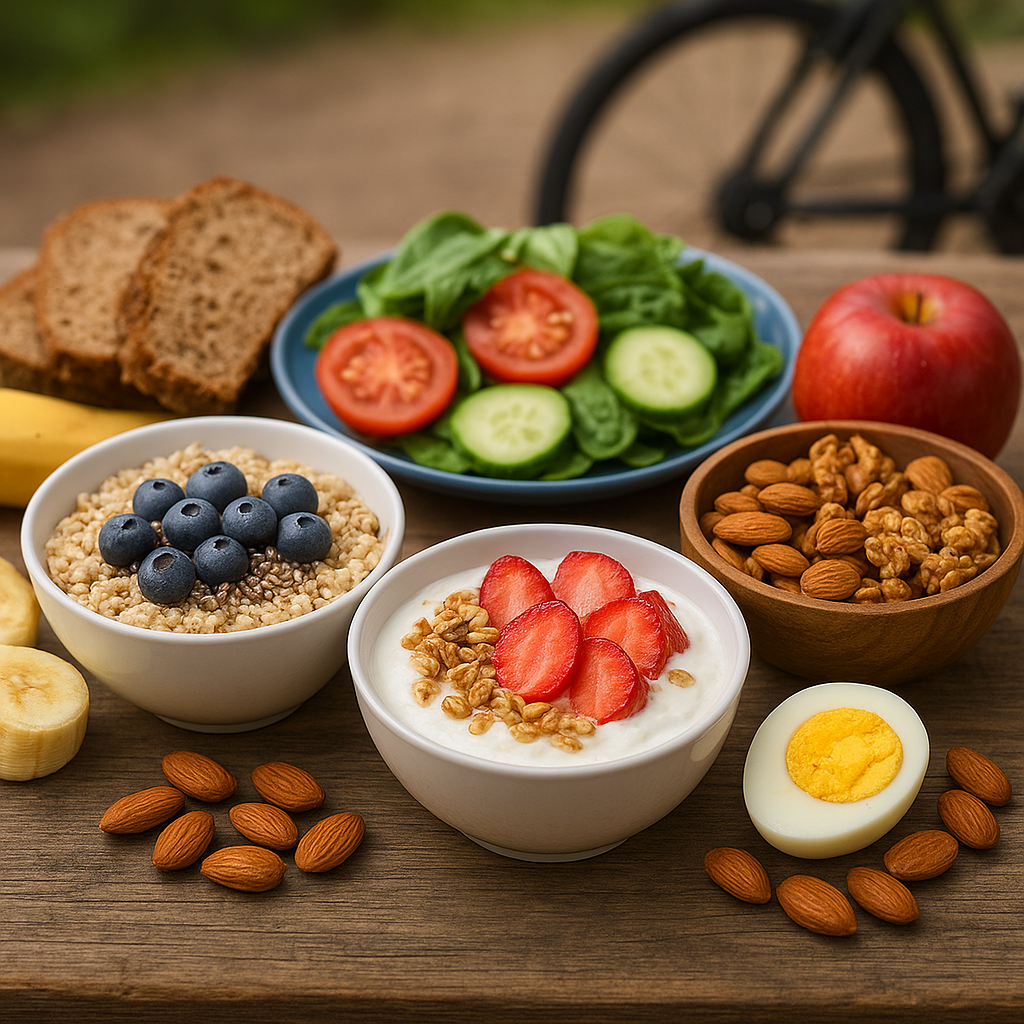
- Carbohydrate Timing: Prioritize a carb-rich meal before longer efforts, and replenish glycogen stores immediately post-ride with 1 gram of carbs per kilogram.
- Sleep Hygiene: Target 7–9 hours per night. Deep sleep is when growth hormone peaks, aiding tissue repair.
- Active Recovery: Include easy spins or light cross-training days to promote blood flow and reduce muscle soreness.
Sequencing Progress and Setting Goals
Measure improvement by recording key metrics: average speed, normalized power, and time-trial results. Track how your **performance** evolves over weeks and months, and adjust your plan accordingly.
- Use a cycling computer or power meter to gather data.
- Set SMART goals: Specific, Measurable, Attainable, Relevant, Time-bound.
- Periodize training: Alternate phases focusing on base endurance, intensity buildup, and tapering before target events.