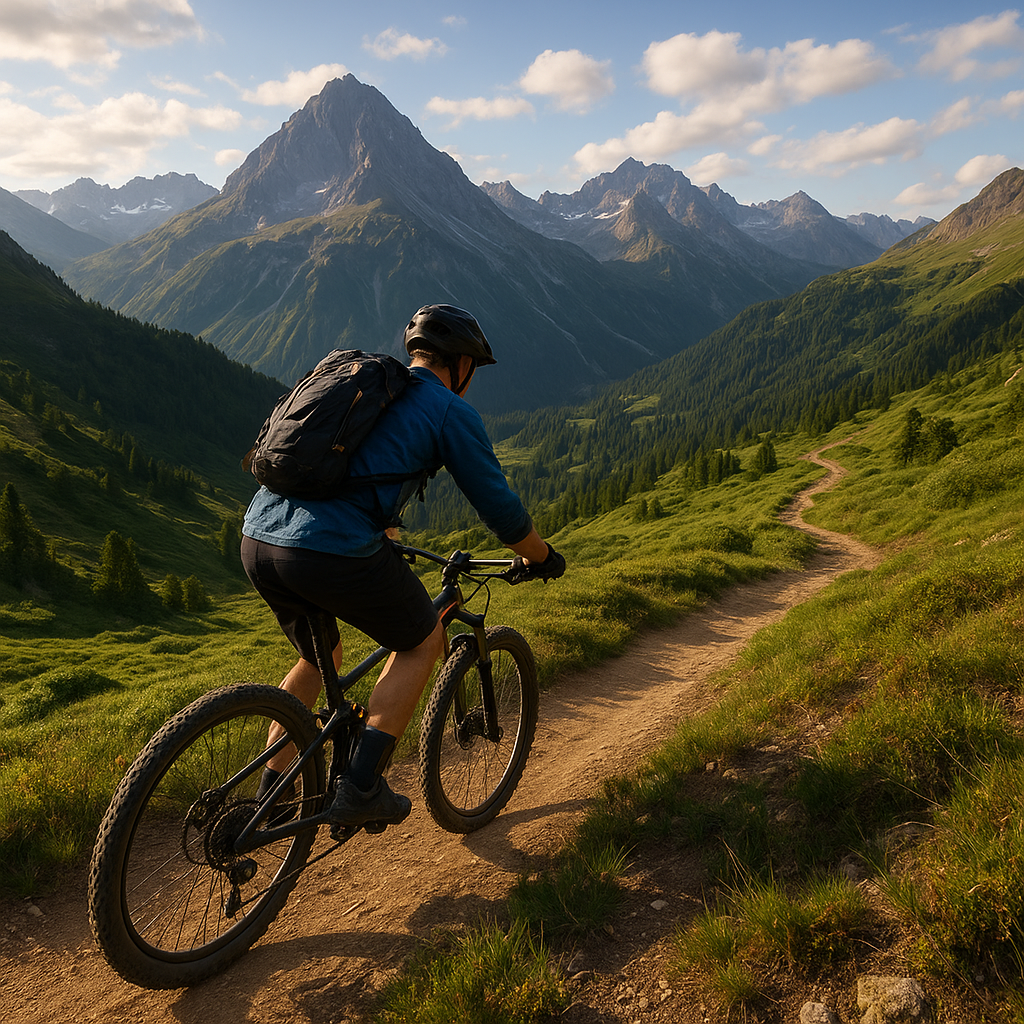
Embarking on a multi-day cycling tour requires more than just pedaling power; it demands careful planning, thoughtful selection of gear, and creative strategies to stay organized on the road. Whether you’re crossing mountain passes, weaving through coastal roads, or exploring quiet country lanes, a well-packed bike can transform your journey into an unforgettable adventure.
Selecting the Ideal Bicycle and Accessories
Frame Materials and Design
When choosing a touring bicycle, consider frame materials that balance durability with weight. Steel frames offer exceptional longevity and a comfortable ride, while aluminum frames are lighter and resist corrosion. Carbon frames can be extremely light but may lack the resilience needed for heavy loads. Pay attention to geometry: a relaxed touring frame ensures stability under load and reduces fatigue over long distances.
Essential Accessories
- Visibility lights and reflectors to stay safe at dawn, dusk, or in fog
- Sturdy racks and panniers rated for at least 25 kg total load
- Quick-release skewers or thru-axles to simplify wheel removal
- Comfortable saddle with ergonomic cut-out or pressure-relief padding
- Handlebar bag or top tube pack for easy access to snacks and gadgets
Investing in quality accessories enhances efficiency on rough terrain. An adjustable stem and bar tape designed for long rides will keep your posture comfortable and your hands fresh. Always test-fit luggage and ensure your bike remains balanced when loaded.
Essential Gear and Clothing
Clothing Layers
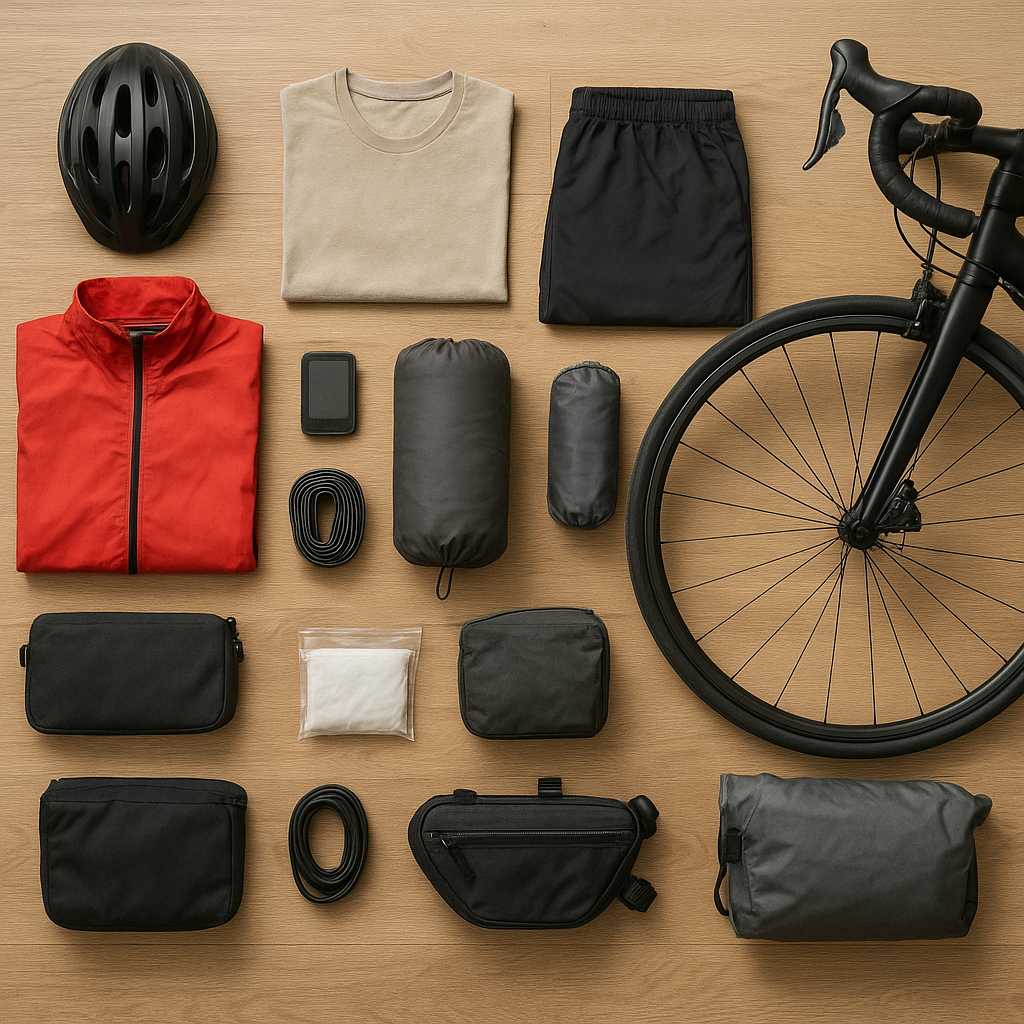
A layering system adapts to unpredictable weather. Pack a lightweight, breathable base layer that wicks sweat away from skin. Combine it with an insulating mid-layer like fleece or merino wool, and finish with a weather-resistant outer shell that shields against wind and rain.
- Padded cycling shorts or bibs for saddle comfort
- Moisture-wicking jerseys or T-shirts
- Arm and leg warmers, plus a packable jacket
- Waterproof gloves and a balaclava for cold mornings
- UV-protective cap or buff for sun exposure
Tools and Repair Kit
A compact tool roll can save your tour. Include a reliable multi-tool, tire levers, patch kit, and a mini-pump. Don’t forget spare tubes, a folding wrench set for your axle nuts, and a chain quick-link. Label each item clearly so you can retrieve it in seconds when roadside repairs arise.
- Spare inner tubes and self-adhesive patches
- CO2 inflator or mini-pump
- Chain lube and a small rag
- Spare spokes and quick-link
- Zip ties and duct tape for emergency fixes
Packing Strategies for Maximum Compact Organization
Pannier Arrangement
Distribute weight evenly between front and rear panniers to maintain steering control. Heavier items—such as tools, tent poles, or cooking gear—should sit low and close to the wheel axles. Place clothing and softer items higher in the pannier, where they can cushion the heavier load below.
Dry Bags and Compression
Pack sleeping bags, extra clothes, or bulky items into waterproof dry bags. Many models feature compression straps that reduce volume, leaving room for essentials like food, water, and electronics. Label each bag with a number or colored tag for quick identification.
- Hydration bladder or water bottles stored centrally on the frame
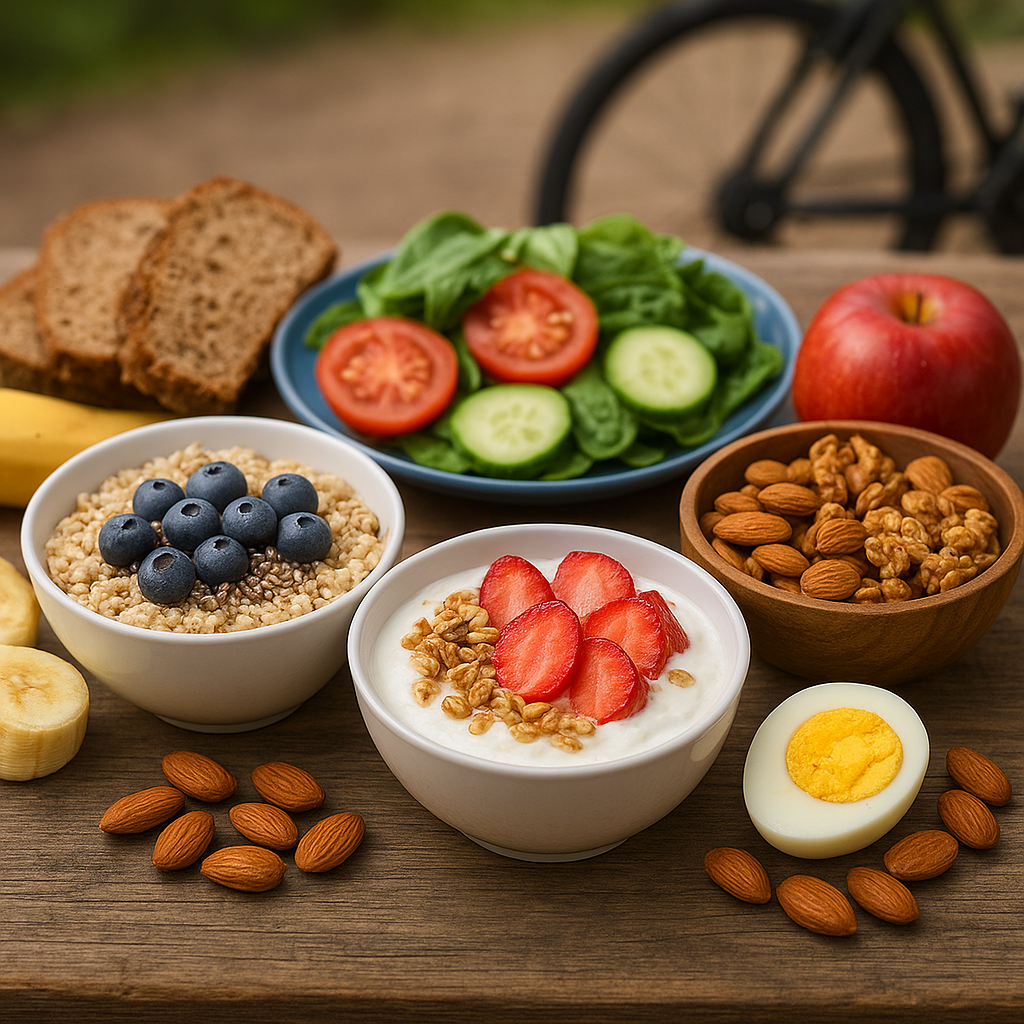
- Snacks and high-energy foods in handlebar or top-tube bags
- Toiletries in a clear, sealable pouch to prevent leaks
- Electronics—phone, camera, GPS—padded in a small case
- First-aid kit in an accessible side pocket
Use modular packing cubes or zippered pouches inside panniers for versatility. This system lets you grab exactly what you need without rummaging through your entire kit. Keep a weekend bag or lightweight backpack for off-bike exploration when you set up camp.
Maintenance, Safety and Emergency Preparedness
Routine Checks
Establish a daily maintenance routine. Inspect tire pressure and brake function every morning. Tighten loose bolts on racks, handlebars, and seat posts. Clean and re-lubricate your chain lightly to prevent wear and noise on long gravel stretches.
Emergency Planning
Carry an emergency contact card with directions to the nearest town, medical services, and bike shops. Program your GPS device or phone with waypoints marking resupply points and safe campsites. Share your itinerary with someone back home and check in regularly.
- High-output dynamo light for continuous illumination
- Identification and insurance documents waterproofed in a pouch
- Emergency blanket or bivvy sack as a lightweight shelter backup
- Personal locator beacon (PLB) for remote regions
- Spare battery packs or solar charger for electronics
Preparedness on the road reduces stress and lets you focus on the joy of riding. With reliable gear, thoughtful organization, and a sound maintenance routine, every turn of the pedal brings you closer to discovering new landscapes, cultures, and personal triumphs.