Cycling offers a blend of health benefits, environmental friendliness, and urban mobility. However, the rising rate of bicycle theft poses a significant challenge for riders everywhere. By adopting comprehensive strategies and integrating smart security tools, cyclists can drastically reduce their exposure to theft. Below are practical insights and advanced techniques to help you safeguard your two-wheeled investment.
Choosing the Right Locking Mechanism
Selecting a reliable lock is the cornerstone of bicycle protection. Not all locks provide the same level of defense, and understanding the variety of options can help you make an informed decision. A compromise between cost, weight, and security is essential.
Factors to consider when buying a lock:
- Construction materials: Hardened steel shackles and reinforced bodies resist cutting and leverage attacks.
- Lock type: U-locks, chain locks, folding locks, and cable locks each offer distinct strengths and weaknesses.
- Weight vs. portability: Heavier locks generally deliver better protection but may be cumbersome for daily use.
- Certification ratings: Look for Sold Secure or ART ratings to ensure standardized testing.
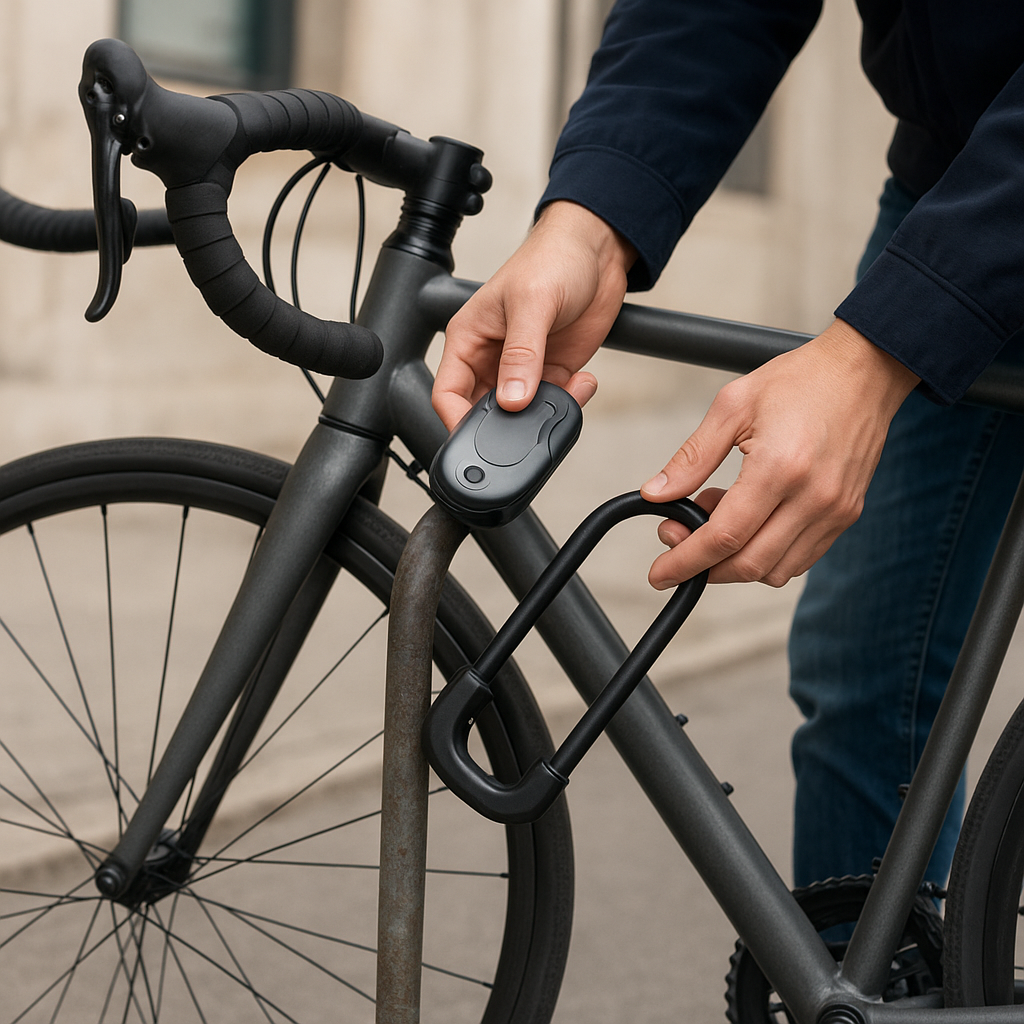
For example, a high-quality U-lock combined with a secondary chain lock creates a robust deterrent. Use the U-lock around the frame and a secure fixture, and wrap the chain through the wheels. This dual approach significantly raises the effort required by a thief, making your bike a less appealing target.
High-Tech Security Options
Beyond traditional locks, recent innovations have introduced electronic defenses that add an extra layer of protection. These solutions integrate technology to monitor, alert, and even recover stolen bicycles.
GPS Tracking Devices
Installing a concealed GPS tracker on your bicycle enables real-time monitoring of its location. In the event of theft, you can share coordinates with law enforcement and greatly improve recovery chances.
- Compact size: Small trackers can hide inside seat posts or handlebars.
- Battery life: Opt for devices offering several weeks of standby time.
- Geo-fencing: Receive alerts when your bike leaves a predefined area.
- Mobile integration: Use smartphone apps for live tracking and notifications.
Alarm Systems
Motion-sensitive alarm systems emit loud sirens when tampering is detected. The sudden noise not only startles thieves but also draws attention from bystanders.
- Shock sensors: Trigger alarms upon impact or vibration.
- Remote arming: Enable or disable via Bluetooth or dedicated fobs.
- Adjustable sensitivity: Prevent false alarms caused by minor disturbances.
Some hybrid locks now incorporate alarms directly into the locking mechanism, offering a seamless blend of physical and electronic security.
Best Practices for Bike Storage and Parking
Where and how you store your bicycle can significantly impact its vulnerability. A well-lit, visible spot coupled with smart locking routines goes a long way toward discouraging opportunistic thieves.
- Public racks: Use designated bike stands in busy areas with high foot traffic.
- Indoor storage: Whenever possible, bring your bike indoors—into your home, office, or secure parking garage.
- Anchor points: Attach your lock to immovable fixtures such as ground anchors or sturdy railings.
- Visibility: Park near security cameras, streetlights, or storefronts to reduce concealed attacks.
- Lock geometry: Place your lock so that the keyhole faces downward, making it harder to tamper with.
Additional Safety Measures
Besides locking strategies and gadgets, a few administrative steps bolster your overall defense. Proper documentation and community engagement can decrease recovery times and heighten accountability.
Key supplementary actions:
- Record serial numbers: Keep a detailed bike registry with frame numbers and specifications.
- Photographic evidence: Store clear images from multiple angles, capturing unique components or customizations.
- Engraving identifiers: Mark the frame with your driver’s license number or a QR code linked to an online registry.
- Bike insurance: Invest in policies that cover theft, damage, and liability for peace of mind.
- Community networks: Join local cycling forums or neighborhood watch groups to share alert bulletins.
By combining these measures with robust locking and modern technologies like GPS tracking and alarm features, you forge a comprehensive fortress around your bicycle. The effort invested in prevention often far outweighs the cost and frustration of replacing a stolen bike.