Climbing a steep hill can feel like an uphill battle, but with the right approach, you can conquer inclines while preserving your precious energy. This guide will explore proven strategies to enhance your cycling experience, focusing on **stamina**, **gears**, **cadence**, and other critical elements that make uphill riding more manageable and enjoyable.
Mastering the Right Technique
Developing a solid riding **technique** is the cornerstone of energy-efficient hill climbing. Whether you are a casual cyclist or a seasoned enthusiast, refining your movement and body mechanics can dramatically reduce fatigue.
Maintaining Proper Posture
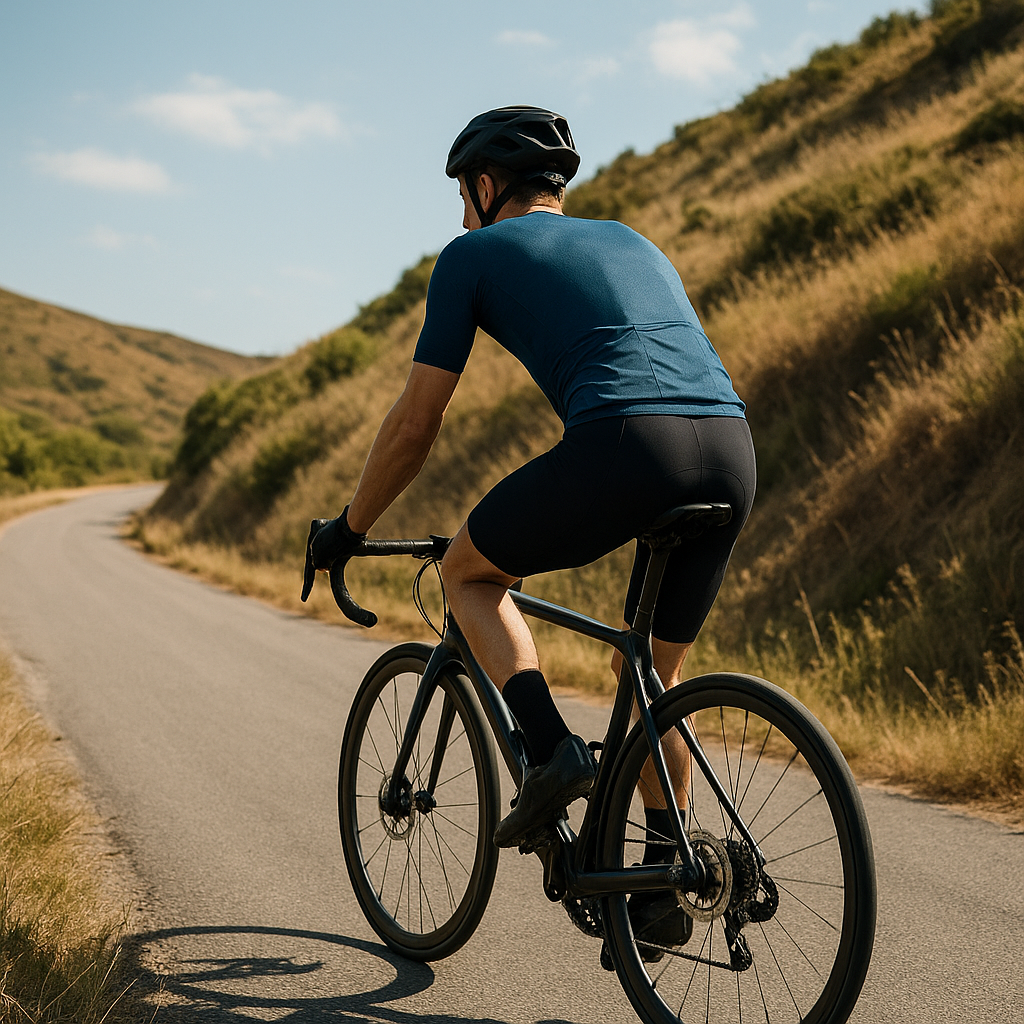
Proper **posture** ensures that your muscles work in harmony and your joints avoid undue stress. Keep your back relatively flat, hinge slightly at the hips, and relax your shoulders. This alignment engages your core muscles, improving **balance** and power transfer.
Finding the Ideal Cadence
Your **cadence**—the rate at which you turn the pedals—should strike a balance between too slow (overworking your legs) and too fast (wasting energy). Aim for a steady 70–90 revolutions per minute (RPM). Use a cadence sensor or simply count the number of pedal strokes you complete in 15 seconds and multiply by four to estimate your RPM.
Using Momentum Wisely
Approach the base of each incline with sufficient **momentum**. Maintain a moderate pace before the climb and shift to a lower gear just as you begin to feel the gradient increase. This helps you avoid grinding to a near stop, which can sap valuable **stamina** and make the initial pedal strokes more strenuous.
Optimizing Your Equipment
Investing time and resources into fine-tuning your bicycle can yield significant benefits. From selecting the right frame to choosing optimal components, every detail counts toward climbing efficiency.
Choosing the Correct Gear Ratios
Modern drivetrains offer a wide range of **gears**, but not all setups are created equal for steep inclines. Consider installing a compact crankset or a triple chainring if you frequently tackle hilly terrain. This provides a lower “granny gear” that reduces strain on the quadriceps and glutes, allowing for smoother, more controlled ascents.
Maintaining Your Drivetrain
- Keep the chain clean and lubricated for maximum **efficiency**.
- Inspect the cassette and jockey wheels; replace worn components to prevent slippage under load.
- Regularly check cable tension and derailleur alignment to ensure crisp, reliable shifting.
Selecting Lightweight Components
Trimming grams from your setup can translate to less effort expended over long climbs. Consider upgrading to lighter wheelsets, carbon seatposts, or minimalistic saddles. While these adjustments may seem small individually, combined they reduce the total mass you must propel uphill.
Physical Preparation and Nutrition
Climbing hills is as much a test of your physical condition as it is of your bicycle’s capabilities. A balanced approach to training, **breathing**, and **nutrition** can ensure you maintain power output without bonking at critical moments.
Building Climbing-Specific Stamina
Interval workouts on rolling terrain help develop the leg strength and aerobic capacity required for steep climbs. Try the following routine twice weekly:
- Warm up for 15 minutes at an easy pace.
- Do 5 × 3-minute efforts at a high power output (Zone 4), followed by 3 minutes of easy spinning.
- Finish with a 10-minute cool-down, focusing on smooth **cadence** and deep **breathing**.
Breathing and Heart Rate Control
Efficient **breathing** transports oxygen to working muscles and stabilizes your heart rate. Inhale deeply through the nose, allowing your diaphragm to expand your lungs fully, then exhale smoothly through the mouth. Practice maintaining a steady rhythm that aligns with your pedal strokes—this technique helps you stay calm and conserve energy during extended climbs.
Strategic Nutrition and Hydration
Fueling before and during the ride prevents energy crashes. Opt for easily digestible carbohydrates such as energy gels, bananas, or sports drinks. Aim to consume 30–60 grams of carbs per hour, depending on the intensity of your ride and personal tolerance. Don’t overlook the importance of electrolytes; a small pinch of salt or an electrolyte tablet can ward off cramps and maintain fluid balance.
By combining refined **technique**, thoughtful equipment choices, and targeted **nutrition**, you can transform daunting hills into opportunities to showcase your strength and endurance. Embrace these strategies, and every climb will feel more like a challenge than a chore.