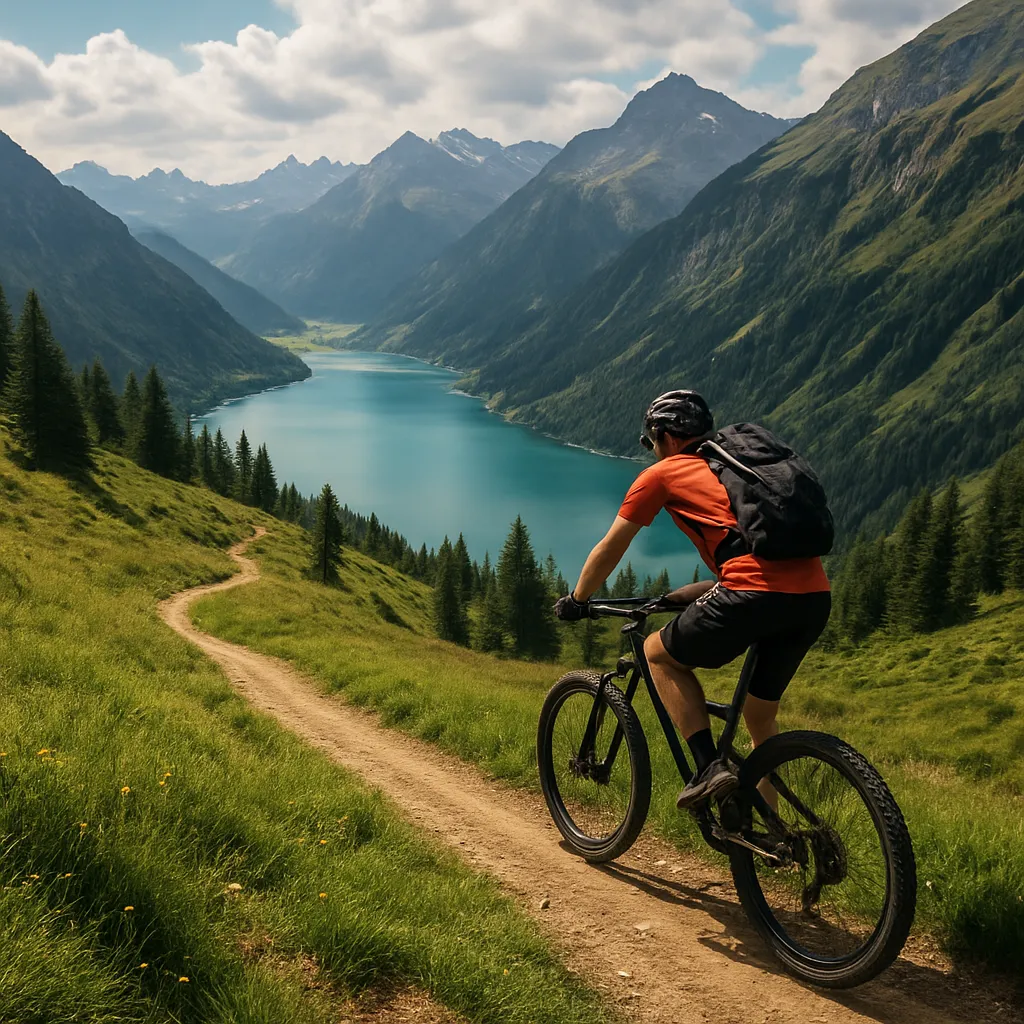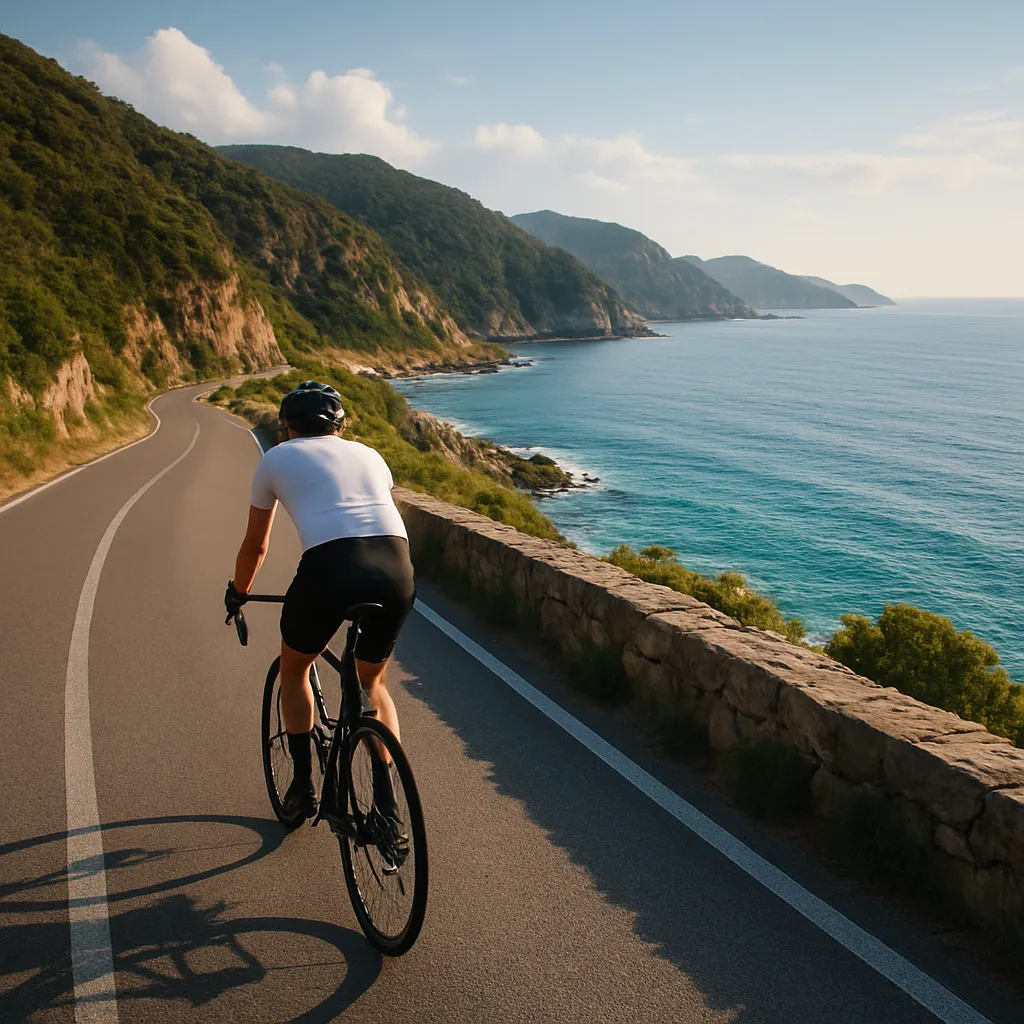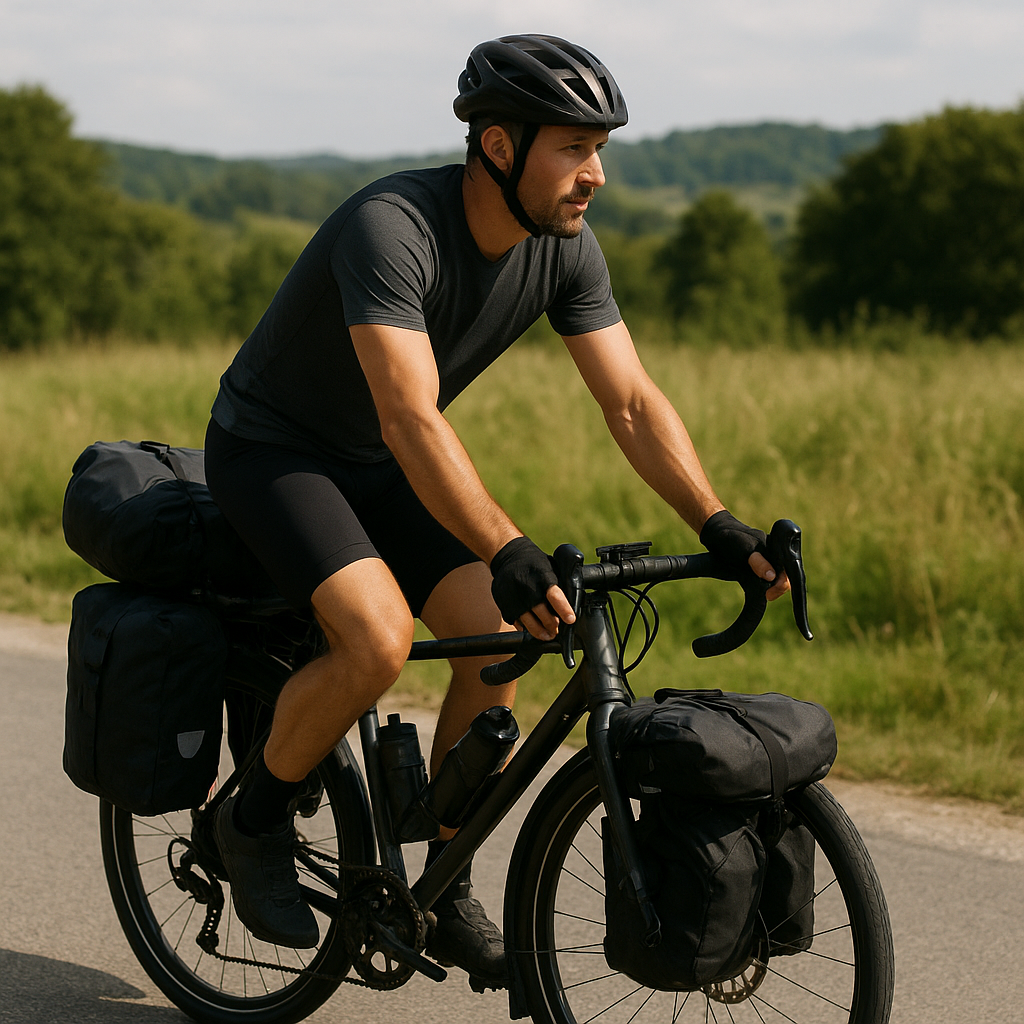
Embarking on a long-distance bike tour is an exhilarating endeavor that challenges both mind and body. Whether you’re traversing mountain passes or cruising along coastal roads, maintaining peak fitness throughout the journey demands careful preparation. The following guide offers practical strategies to help you optimize your training, nutrition, equipment, and recovery, ensuring you arrive at each destination feeling strong and energized.
Preparation and Planning
Assessment and Goal Setting
Before you pedal off into the sunset, conduct a comprehensive self-assessment. Evaluate your current fitness level, prior cycling experience, and any existing health concerns. Establish clear, measurable objectives—whether it’s conquering 60 miles per day, climbing a challenging ascent, or maintaining a comfortable pacing for multi-day rides. Defining realistic targets fosters motivation and creates a roadmap for your training program.
Building Mileage Gradually
To develop sustainable endurance, increase your weekly riding volume by no more than 10–15%. Consistent, incremental progress helps avoid overuse injuries and burnout. Incorporate a mix of long, steady rides and shorter high-intensity efforts. For example:
- One long ride at moderate intensity (60–70% of maximum heart rate) to build aerobic capacity
- One interval session with bursts of high power followed by recovery periods to improve cardiovascular strength
- Several easy spin days to promote blood flow and aid muscle recovery
This blend of workouts develops both sustained aerobic power and bursts of speed, essential for varied terrain and unexpected challenges.
Developing Core Strength and Flexibility
Off-Bike Conditioning
Strong cyclists aren’t born on the saddle alone. Integrate resistance training twice a week, focusing on functional movements:
- Squats and lunges to enhance pedal stroke efficiency
- Deadlifts for hamstring and lower back resilience
- Planks and Russian twists to fortify the core and stabilize your upper body
These exercises build overall strength, which translates into more powerful climbs and better control on descents. Complement this with yoga or dynamic stretching sessions to boost flexibility, reducing the risk of muscle tightness and improving riding posture.
Maintaining Consistency
Sticking to a structured schedule is key. Use a training diary—digital or paper—to log ride distances, times, perceived effort, and recovery notes. Tracking progress ensures accountability and highlights when rest days or cross-training are needed. A pattern of three to five rides per week, combined with targeted strength work, strikes an effective balance between load and healing.
Nutrition and Hydration on the Road
Fueling for Performance
Proper nutrition is the cornerstone of any endurance endeavor. Aim for a balanced diet rich in complex carbohydrates, lean proteins, and healthy fats. Prioritize:
- Whole grains, sweet potatoes, and legumes for sustained energy
- Chicken, fish, tofu, and eggs to support muscle repair
- Avocado, nuts, and olive oil for essential fatty acids
On long days, consume 30–60 grams of carbohydrates per hour in the form of energy bars, gels, or dried fruit. Practice your race-day or tour-day fueling strategy during training rides to identify what your digestive system tolerates best.
Essential Hydration Strategies
- Start each day with at least 500 ml of water or an electrolyte beverage.
- Sip regularly rather than gulping large amounts; aim for 400–800 ml per hour, depending on temperature and exertion.
- Include sodium and potassium to replace lost electrolytes and prevent cramps.
Proper hydration ensures blood volume is sufficient to deliver oxygen and nutrients, supporting both cognitive function and physical performance.
On-Tour Maintenance and Recovery
Daily Recovery Rituals
After each day’s ride, follow a deliberate recovery routine:
- Consume a protein-carbohydrate recovery snack within 30 minutes—such as a smoothie with fruit and whey or plant-based protein.
- Perform gentle stretching or foam rolling to relieve muscle tightness.
- Utilize compression garments or a brief massage to accelerate blood flow and reduce inflammation.
These steps enhance muscle recovery, minimize delayed onset muscle soreness (DOMS), and prepare you for the next day’s efforts.
Sleep and Rest
Quality sleep is non-negotiable. Aim for 7–9 hours per night in a cool, dark environment. Supplement with short naps when possible, especially after exceptionally long or strenuous rides. Adequate rest supports hormonal balance, immune function, and overall energy levels.
Equipment, Bike Fit, and Injury Prevention
Optimizing Your Bike Fit
An ill-fitting bicycle can lead to chronic discomfort and mechanical inefficiencies. Visit a professional fitter to adjust saddle height, handlebar reach, and cleat position. A precise setup distributes load evenly across hips, knees, and shoulders, reducing the risk of overuse injuries.
Gear Selection
Choose equipment that adds comfort and reliability without unnecessary weight:
- Cycling shorts with quality chamois to prevent saddle sores
- Lightweight, moisture-wicking jerseys and base layers
- Sturdy touring tires with puncture protection for varied terrain
- A repair kit—including spare tubes, multi-tool, and pump—for roadside fixes
Preventing Common Injuries
Pay attention to early warning signs—such as persistent joint pain or numbness. Implement these preventive measures:
- Alternate hand positions on handlebars to relieve pressure
- Adjust cleat float to minimize knee stress
- Take periodic off-the-bike rest days after several consecutive ride days
Maintaining proper form and bike ergonomics combats cumulative strain, ensuring you can log high mileage without setbacks.