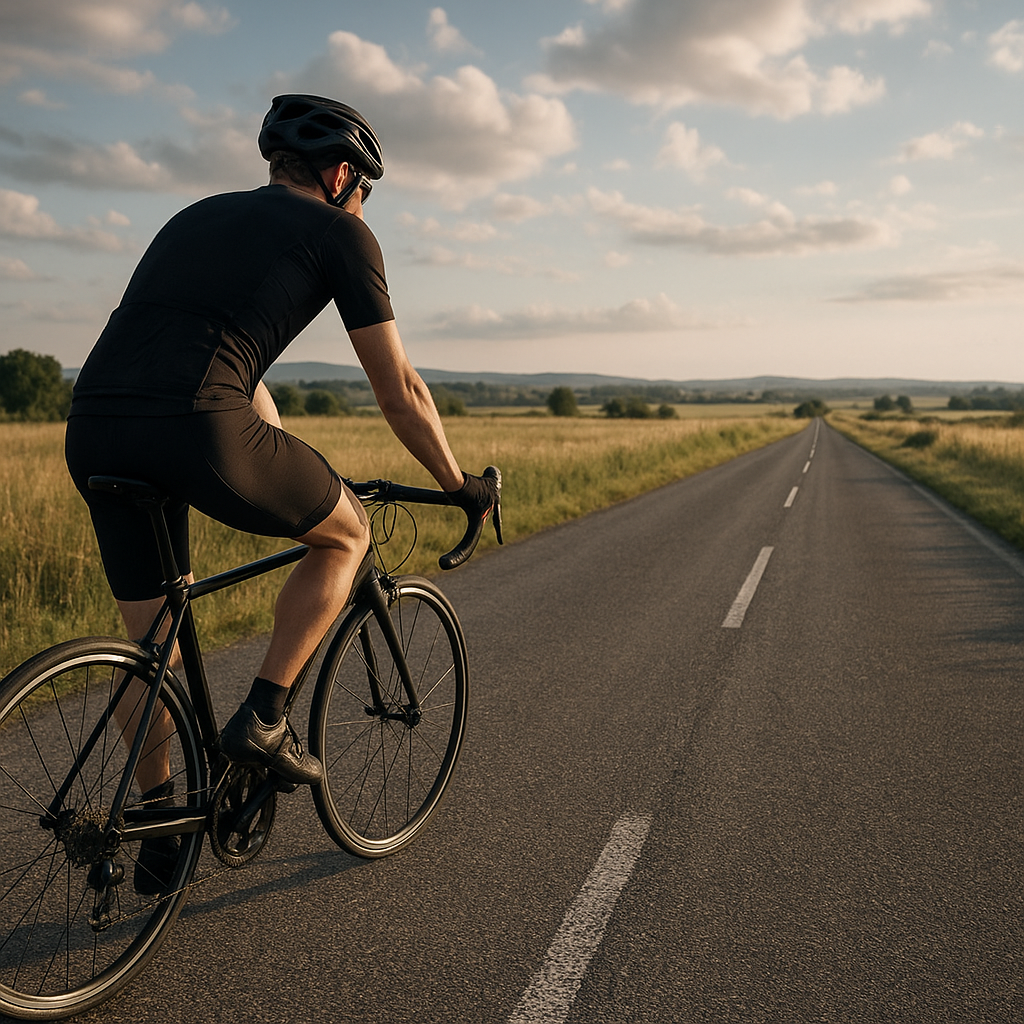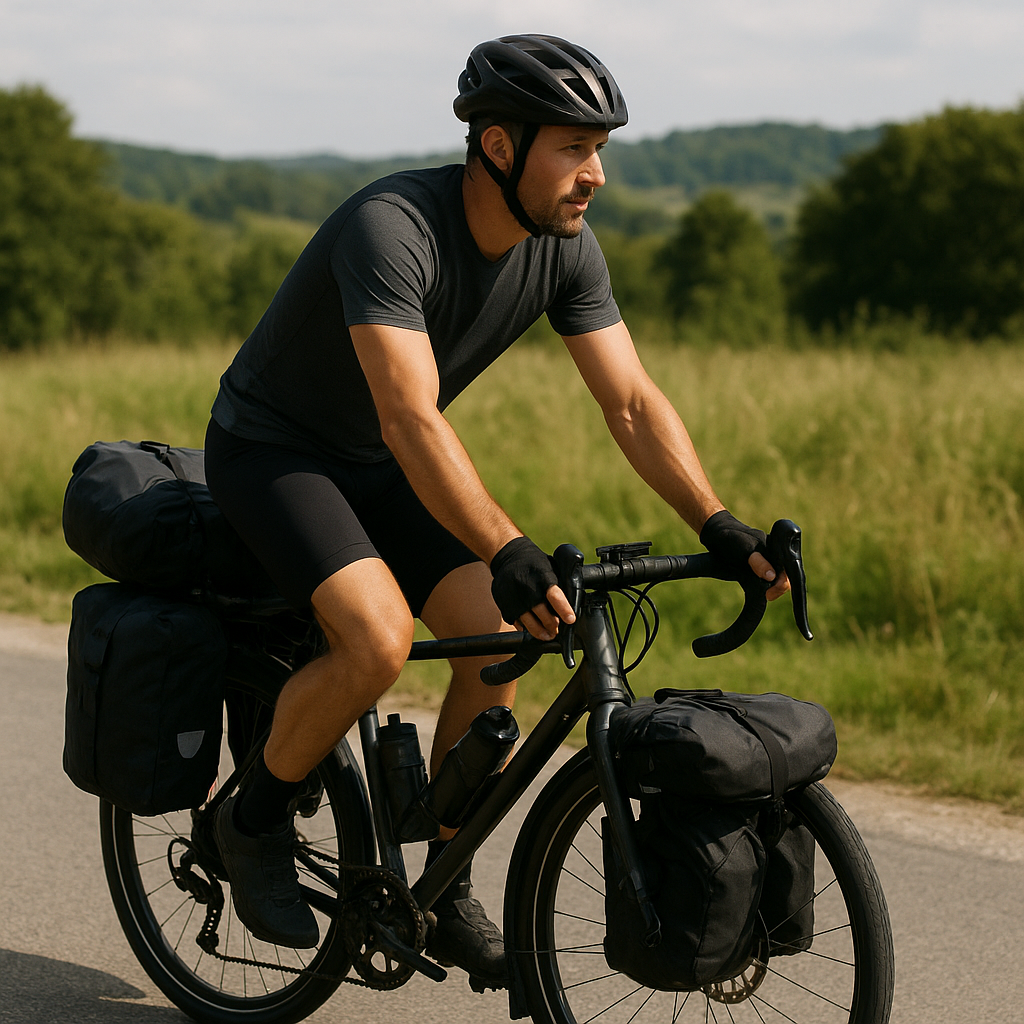
Cycling has evolved far beyond the simple two-wheeled ride. Modern riders embrace cutting-edge innovations to enhance every journey, whether it’s a daily commute, a mountain trail adventure or a long-distance tour. From intelligent lighting systems to advanced performance trackers, the right gadget can transform your ride. In this exploration, we examine top tech accessories that cater to the needs of tech-savvy cyclists, boosting comfort, safety and overall riding experience.
Essential Smart Gadgets for Bicycles
Riders looking to upgrade their bikes often start with devices that seamlessly integrate into existing setups. Key considerations include ease of installation, compatibility and intuitive controls. Here are some standout innovations:
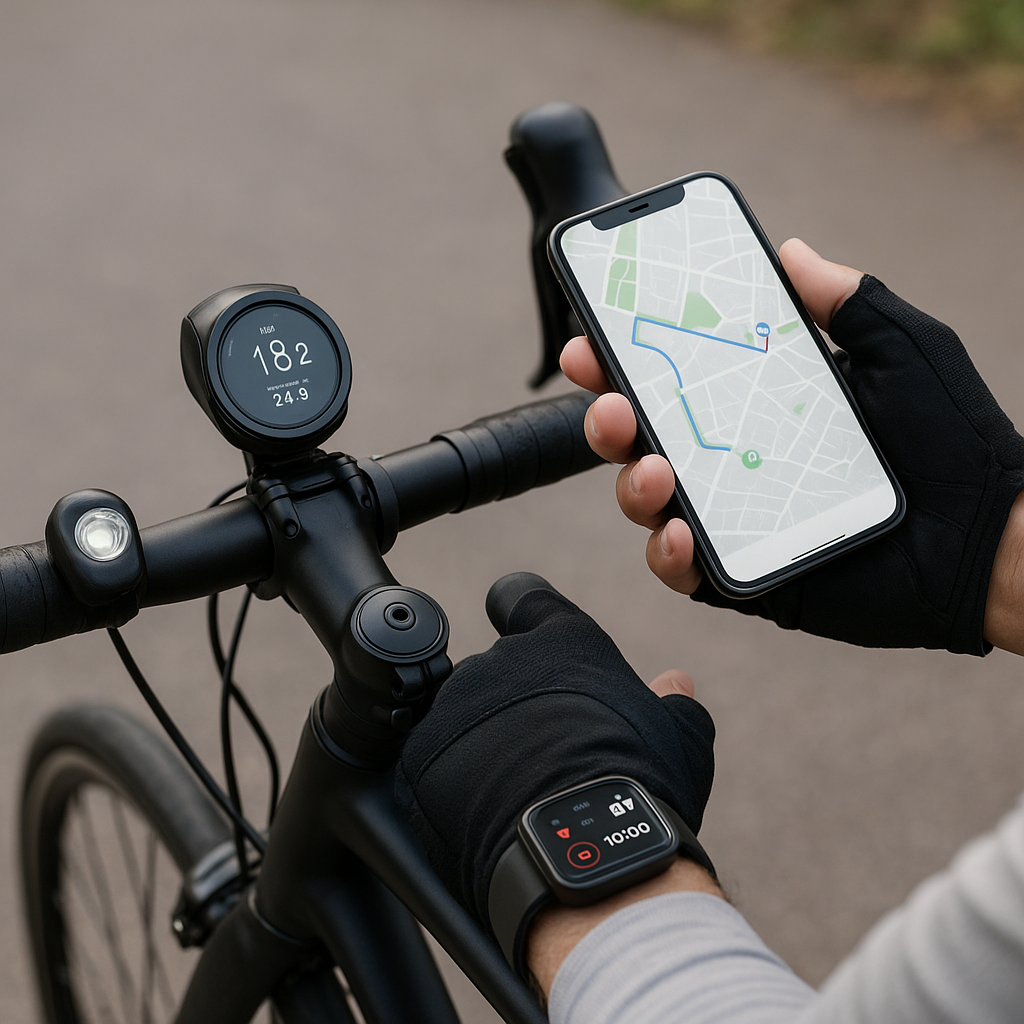
- Smart Bike Computers: Compact consoles with built-in GPS, touchscreen displays and customizable data fields. They track speed, distance, altitude and provide turn-by-turn navigation, all while syncing to smartphone apps.
- Wireless Speed and Cadence Sensors: These sensors magnet-free devices mount on your crank arm and wheel hub to deliver real-time pedaling efficiency data via ANT+ or Bluetooth. Perfect for optimizing training and performance.
- Electronic Shifters: Systems like Shimano Di2 or SRAM eTap replace mechanical cables with electronic signals. They offer precision shifting, reduced maintenance and programmable shift patterns.
- Power Meter Pedals: Measuring your watt output on each stroke, these pedals help you understand power zones, maintain consistent effort and raise your fitness level.
- Smart Locks: Combining GPS tracking with tamper alerts and remote locking via mobile app, these locks provide strong protection and peace of mind for urban riders.
Installing these devices typically requires minimal tools, and most come with user-friendly apps. A quick firmware update ensures compatibility with third-party platforms, enabling you to analyze every ride in depth.
Safety and Navigation Innovations
Visibility and accurate routing are paramount for safe cycling. Technological breakthroughs now deliver superior illumination, precise mapping and hazard detection:
- Adaptive Bike Lights: These headlights adjust beam intensity based on speed and ambient light. Integrated accelerometers allow for a wider floodlight in corners and a focused beam at higher speeds.
- Rear Light Brake Sensors: Mount on the seatpost to sense deceleration, instantly flashing the rear light to warn following traffic.
- Connected Turn Signals: Handlebar-mounted buttons trigger LED indicators on the rear, paired via Bluetooth. Some models even haptic-vibrate on your wrist when the signal is active.
- GPS Navigation Mirrors: Rear-view mirrors with embedded screens show live maps and upcoming turns, putting directions in your line of sight without requiring a head turn.
- Collision Detection Systems: Using radar or lidar, these devices alert you to fast-approaching vehicles from behind, reducing the risk of accidents in busy traffic.
By integrating these safety technologies, cyclists can ride with confidence, even in low-light or unfamiliar environments. Most systems alert you via smartphone notifications or handlebar-mounted displays, ensuring you stay informed without looking away from the road.
Performance Tracking and Connectivity
For cyclists dedicated to improving fitness and logging data, advanced performance tools are indispensable. Connectivity features now extend beyond basic ride metrics:
- Multi-sport Smartwatches: With cycling-specific modes, these watches record heart rate zones, power metrics and recovery status. They also display incoming calls, messages and app alerts.
- Cloud-based Training Platforms: Sync ride files in real time to services like Strava or TrainingPeaks. Analyze power curves, segment efforts and compare performance over time.
- Interactive Smart Rollers: Stationary trainers that simulate real-world terrain by adjusting resistance according to virtual courses. Pair with apps for group rides and structured workouts.
- Biometric Sensors: Chest straps or armbands that monitor advanced metrics such as HRV (heart rate variability) and EPOC (excess post-exercise oxygen consumption).
- Wireless Earbuds for Cycling: Rugged, sweatproof earbuds offering ambient sound passthrough so you can hear traffic cues while listening to route guidance or music.
These solutions emphasize seamless connectivity between devices. ANT+, Wi-Fi and dual-band Bluetooth ensure your data syncs reliably, keeping you focused on riding rather than fiddling with settings.
Future Trends in Cycling Technology
The pace of innovation shows no sign of slowing. Emerging trends promise to push the boundaries even further:
- Augmented Reality Helmets: Visors projecting HUD overlays, showing speed, navigation, incoming calls and even traffic warnings, all while maintaining a clear field of view.
- Integrated Renewable Power: Solar-powered accessories and dynamo hubs that harvest energy to charge devices on the go, enhancing durability on long tours.
- AI-driven Maintenance Alerts: Smart bike frames with embedded sensors monitoring frame stress, tire pressure and component wear. Predictive notifications remind you to service your bike before issues arise.
- 5G-enabled Remote Coaching: Real-time video feedback and live data streaming to your coach during training sessions, offering immediate advice and performance adjustments.
- Carbon Nanofiber Components: Ultra-light, super-strong materials for frames and accessories, raising the bar for both weight reduction and structural strength.
As these technologies mature, riders can look forward to an era where every aspect of cycling—from preparation and maintenance to navigation and performance analysis—is smart, connected and tailored to individual goals. Embracing these tools not only enhances the ride today but paves the way for an even more dynamic cycling experience tomorrow.