Mountain biking demands not only skill and endurance but also the right equipment to keep riders protected on unpredictable trails. Adopting proper gear can transform a risky ride into a confident adventure, ensuring every turn, drop, and climb is met with preparation. This guide explores the most critical items every mountain biker should consider for a safe and thrilling experience.
Choosing the Right Helmet
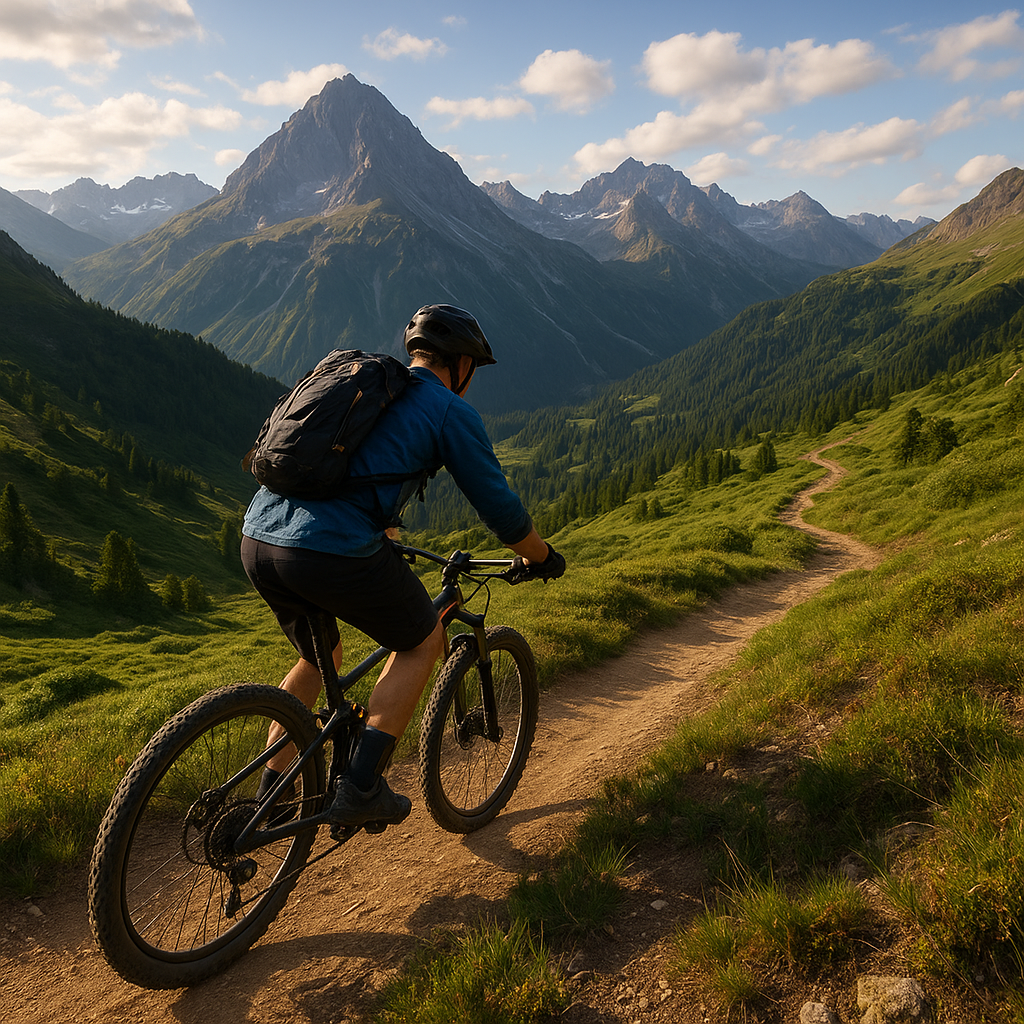
A helmet stands as the single most vital piece of protective equipment. When selecting one, focus on fit, comfort, and durability. Look for certifications like CPSC, EN1078, or ASTM to ensure the highest safety standards. An ideal helmet should sit snugly on the head without rocking, with adjustable straps and a retention system to maintain stability during rough rides.
Types of Mountain Bike Helmets
- Trail Helmets: Offer balanced coverage, lightweight design, and ample ventilation.
- Enduro Helmets: Feature extended rear protection and often include a removable chin bar.
- Full-Face Helmets: Provide maximum coverage for downhill and freeride disciplines.
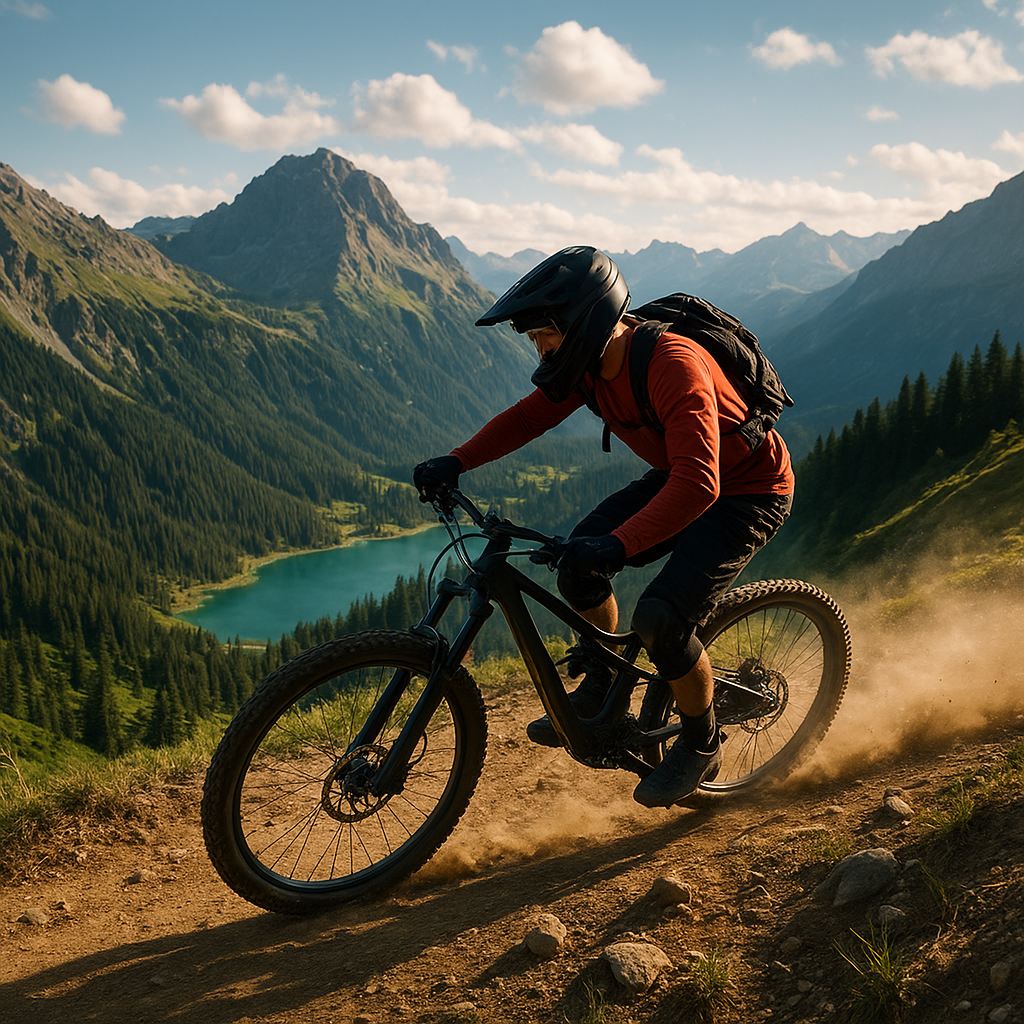
Picking the right style depends on your riding discipline. A full-face helmet delivers added face and jaw protection, while lighter trail helmets suit cross-country adventures. Always replace your helmet after a significant impact, as the foam liner can become compromised even if damage isn’t visible.
Essential Body Armor
Riding aggressively over roots, rocks, and drops means that elbows, knees, and torso are exposed to scrapes, fractures, and contusions. Body armor shields critical areas and absorbs impact energy, helping you ride with confidence.
Knee and Elbow Protection
- Knee Pads: Look for CE-certified pads with dual-layer foam and a hard plastic cap for sliding over obstacles.
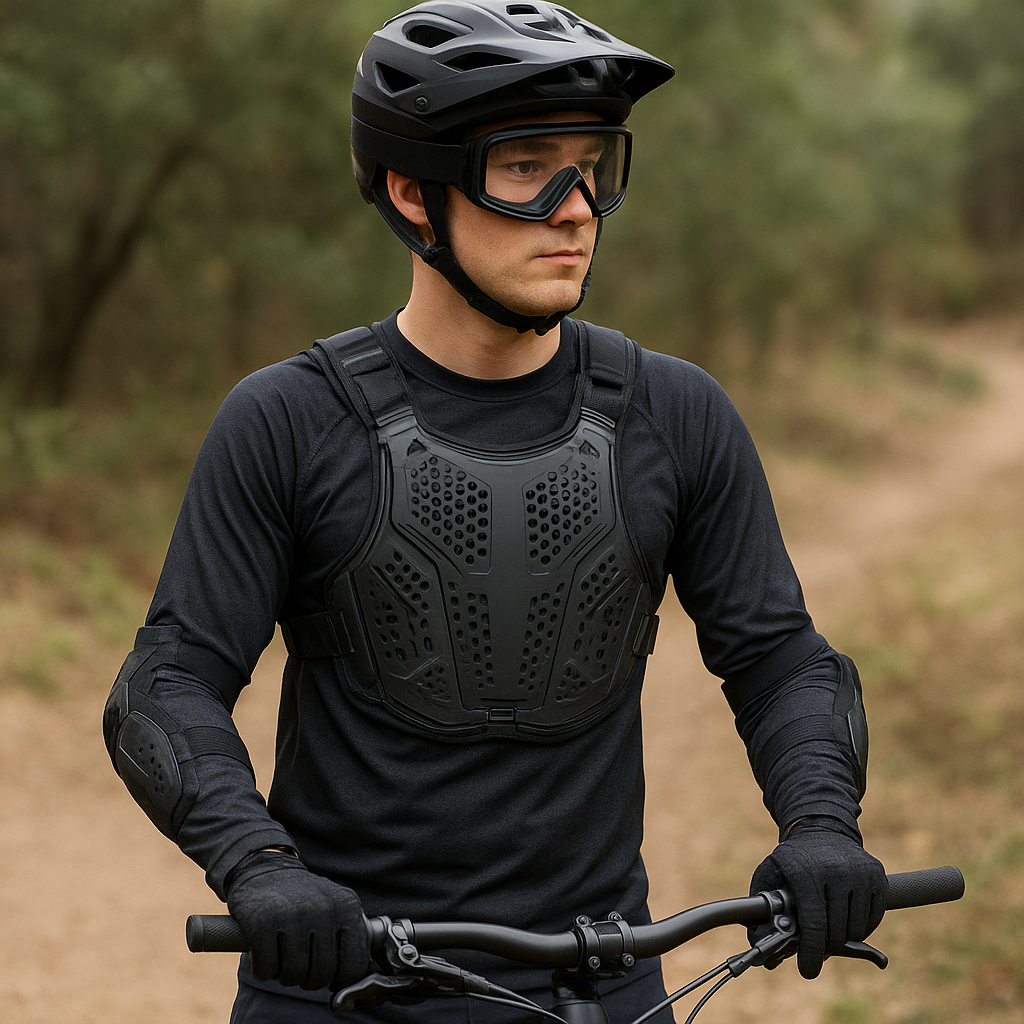
- Elbow Guards: Should offer full articulation without restricting arm movement, using breathable materials to wick moisture away.
Torso and Spine Guards
Chest protectors and spine guards can prevent serious injuries during high-speed crashes. High-quality options combine lightweight materials like D3O or EVA foam with adjustable straps for a customized fit. Select a model that sits comfortably under or over your jersey without hindering pedaling.
Hands and Feet Protection
Hands and feet are your primary points of contact with the bike, making their protection essential for both performance and safety. Overlooking this gear can lead to painful injuries and reduced control on technical terrain.
Gloves
- Full-finger gloves protect against branches, falls, and bar-end impacts.
- Palm padding enhances vibration damping for a more comfortable grip.
- Silicone or rubber prints on the fingers improve brake lever control in wet conditions.
Footwear
Choose shoes designed for mountain biking with stiff soles for power transfer, reinforced toes for impact protection, and lugged treads for walking traction. Clipless systems offer superior pedal engagement, while flat-pedal shoes with sticky rubber outsoles provide a more forgiving platform and fast dismounts when needed.
Visibility and Hydration Accessories
Ensuring you’re seen by others and staying hydrated are often underestimated aspects of mountain biking safety. The right accessories can boost both visibility and endurance on the trail.
Lighting and Reflective Gear
- Front and rear lights with multiple brightness settings help you navigate low-light conditions.
- Reflective vest panels or ankle bands enhance side visibility, particularly at dusk or dawn.
- Helmet-mounted lights improve line-of-sight to obstacles ahead.
Hydration Packs
Dehydration can impair cognitive function and endurance. A well-designed hydration pack integrates:
- An easy-to-reach bite valve connected to a bladder or reservoir.
- Secure storage compartments for tools, snacks, and a phone.
- Ventilated back panels to reduce sweat buildup.
Additional Accessories for Enhanced Safety
Beyond the core protective gear, several supplemental items can further reduce risk and improve your overall riding experience.
Protective Eyewear
- Goggles or glasses with shatterproof polycarbonate lenses guard against debris, UV rays, and wind.
- Interchangeable lenses allow adaptation to varying light conditions.
- Anti-fog coatings maintain clear vision during intense efforts.
Communication and Emergency Tools
In remote areas, communication devices like two-way radios or GPS trackers can be lifesavers. Always carry a compact first-aid kit equipped with bandages, antiseptic wipes, and pain relievers. Learning basic bleeding control and splinting techniques adds a critical layer of preparedness.
Trail-Focused Clothing
Apparel made specifically for mountain biking features abrasion-resistant panels and strategically placed stretch zones. Moisture-wicking fabrics keep you dry, while a quality jersey with reinforced shoulders can withstand falls.
Maintenance and Inspection
Regular gear inspection and maintenance ensure every item performs when it matters most. A few simple checks before each ride can prevent failure on the trail.
- Inspect helmet straps for wear and ensure buckles function smoothly.
- Wash and air-dry pads and gloves to prevent odor and material breakdown.
- Check boot treads for excessive wear that could reduce grip on pedals.
- Test light batteries and replace worn-out reflective stickers.
Storing gear in a cool, dry place away from direct sunlight will extend its lifespan and preserve protective properties.
Conclusion
Outfitting yourself with high-quality protective gear is not an expense but an investment in longevity and enjoyment of the sport. By prioritizing a well-fitting helmet, robust body armor, reliable hand and foot protection, and visibility-boosting accessories, mountain bikers can tackle challenging terrain with confidence and peace of mind.