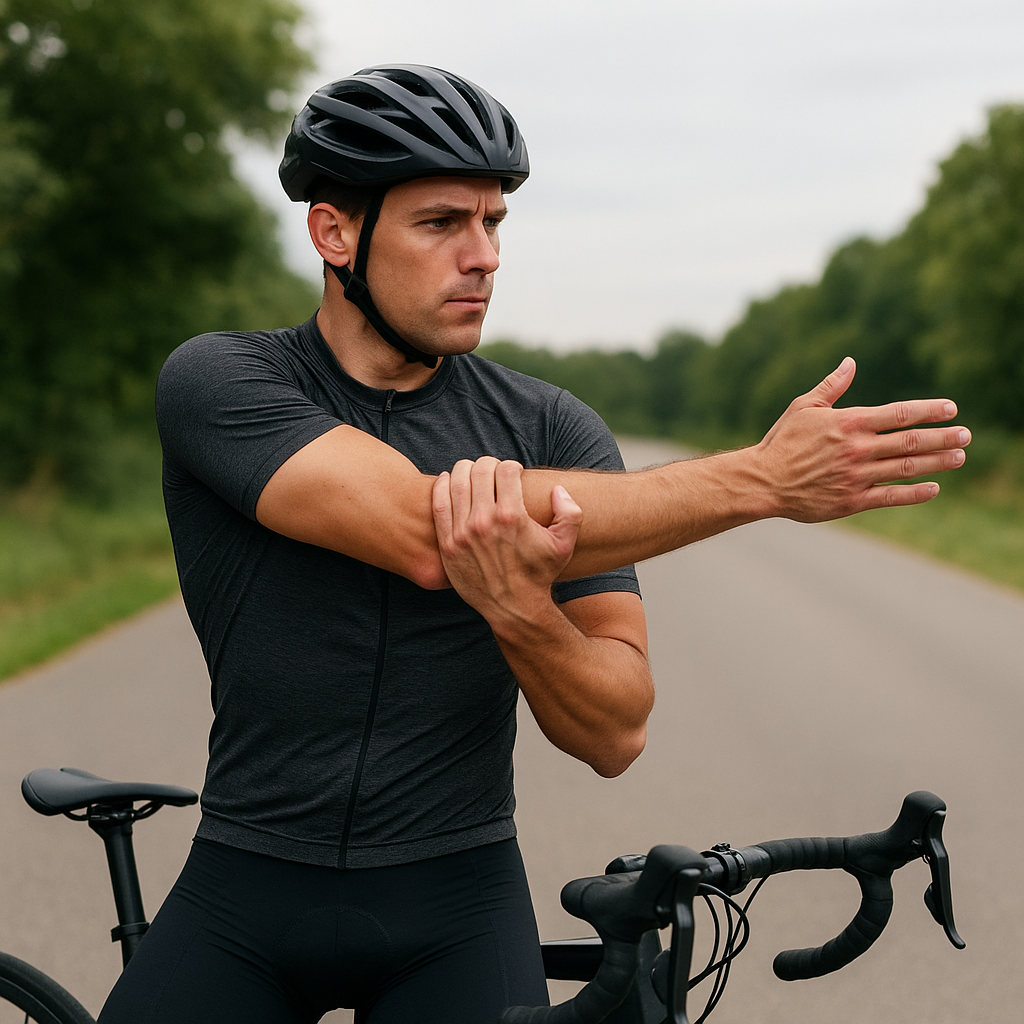
Cycling is more than just pedaling down a path; it’s a comprehensive workout that engages the entire body and mind. To maximize benefits and minimize risks, integrating an effective warm-up and cool-down routine is essential for all cyclists, from casual riders to seasoned racers. This guide explores the physiological and practical advantages, offers detailed exercise suggestions, and demonstrates how to weave these routines seamlessly into your weekly cycling schedule.
Importance of a Proper Warm-Up for Cyclists
Before you clip in or set off on your bicycle, taking time to prepare is crucial. A structured warm-up elevates body temperature, increases blood flow to key muscle groups, and primes the cardiovascular system for the demands of the ride. Skipping this step can lead to stiffness, reduced performance, and a higher risk of injury.
Physiological Benefits
- Increased heart rate and oxygen delivery to working muscles
- Improved joint mobility and flexibility
- Enhanced neuromuscular activation for smoother pedal strokes
- Better mental focus and readiness for intervals or climbs
Injury Prevention
Muscles and tendons that aren’t adequately prepared can strain under sudden load. A gradual ramp-up phase helps tissues adapt to mechanical stress. Dynamic movements mimic cycling motion, reducing the chance of pulls, sprains, and overuse injuries in areas such as the knees, lower back, and hips.
Effective Warm-Up Exercises
Design a warm-up that lasts 10–15 minutes, combining light cardiovascular work with dynamic stretching. The goal is to transition smoothly from rest to riding intensity without jarring the body.
- Easy Spin on the Bike: Begin with 5 minutes at 50–60% of your target ride power or pace.
- Leg Swings: Stand next to a wall, swing one leg forward and backward for 10–15 reps each side.
- Hip Circles: Hands on hips, rotate hips in a circular motion to loosen the joint.
- Lunge Walks: Step forward into a lunge, hold briefly, then switch legs over 10–12 steps.
- Arm Circles: Extend arms sideways and rotate to warm shoulders and upper back.
- High-Knee Marches: Lift knees toward chest in a marching rhythm, engaging core and hip flexors.
Importance of a Cool-Down Session
Following a challenging ride, the body accumulates metabolic byproducts such as lactic acid. A structured cool-down facilitates gradual deceleration of heart rate and helps clear these substances, promoting faster recovery and reducing muscle soreness.
Physiological Effects
- Maintains blood circulation to prevent pooling in extremities
- Enhances removal of waste products from muscle tissue
- Assists in restoring resting heart rate and blood pressure
- Supports the body’s natural healing processes for better next-day endurance
Top Cool-Down Techniques
A proper cool-down lasts around 10 minutes and combines light pedal spinning with targeted static stretches. Ensure each muscle group is held gently for 20–30 seconds without bouncing.
- Easy Pedal Spin: 5 minutes at a very relaxed pace on flat terrain or a stationary trainer.
- Quadriceps Stretch: Standing heel-to-buttock stretch to release front thigh tension.
- Hamstring Stretch: Seated or standing toe reach to lengthen the back of the leg.
- Calf Stretch: Against a wall or curb, push heels down to stretch lower leg muscles.
- Glute and Piriformis Stretch: Cross one ankle over the opposite knee while seated, lean forward gently.
- Lower Back Stretch: Lie on your back, pull knees into chest to alleviate lumbar tension.
- Shoulder and Upper Back Stretch: Cross-body arm pull and clasped-hand shoulder roll.
Hydration and Nutrition During Routines
Proper hydration and fueling complement your warm-up and cool-down. Begin with 500 ml of water or electrolyte drink 30 minutes before riding. During extended warm-ups, small sips maintain fluid balance. Post-ride, consume a mix of carbohydrates and protein within 30 minutes to kick-start muscle repair and glycogen replenishment.
- Pre-Ride Snack: Banana with nut butter or an energy bar
- During Warm-Up: 100–200 ml of electrolyte solution
- Post-Ride Recovery: Chocolate milk, a smoothie, or a specialized recovery drink
Integrating Routines into a Training Plan
Consistency is key. Allocate time for both routines at the start and end of every ride, even on easy days. Over weeks, these habits strengthen your body’s readiness and boost overall performance. Advanced riders may include foam-rolling sessions or mobility drills on rest days to further enhance flexibility and reduce injury risk.
- Weekly Schedule: Warm-up + main session + cool-down for each ride
- Recovery Days: Gentle yoga or mobility-focused sessions
- Periodization: Increase warm-up intensity during peak training phases
Advanced Tips for Serious Cyclists
Elite riders often incorporate blood-flow-restriction (BFR) bands during warm-ups to maximize muscle activation at lower intensities. Others use compression garments post-ride to expedite recovery. Monitoring heart rate variability (HRV) and perceived exertion during routines can fine-tune readiness assessments and prevent overtraining.
- Wear a heart rate monitor to track warm-up zones
- Use foam rollers or massage balls for targeted muscle release
- Experiment with temperature contrast: warm water shower followed by a cool rinse