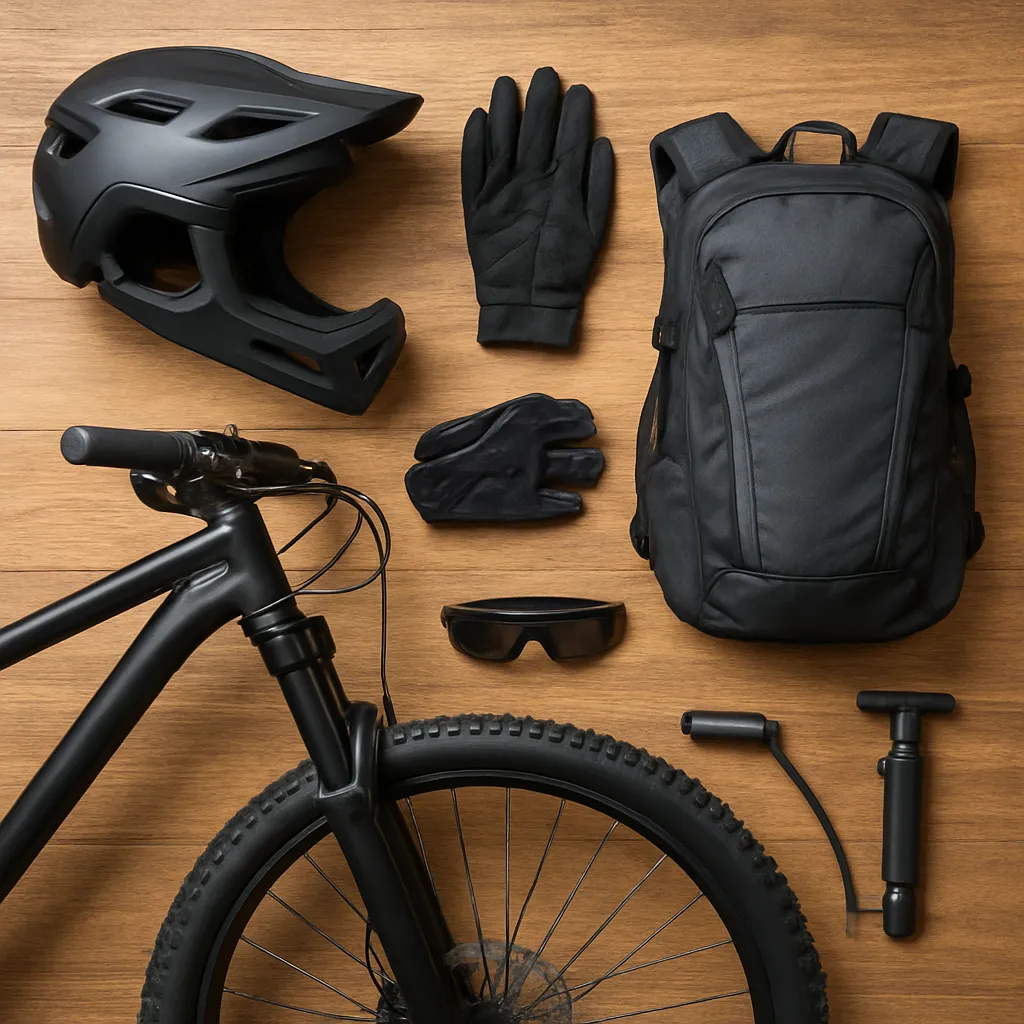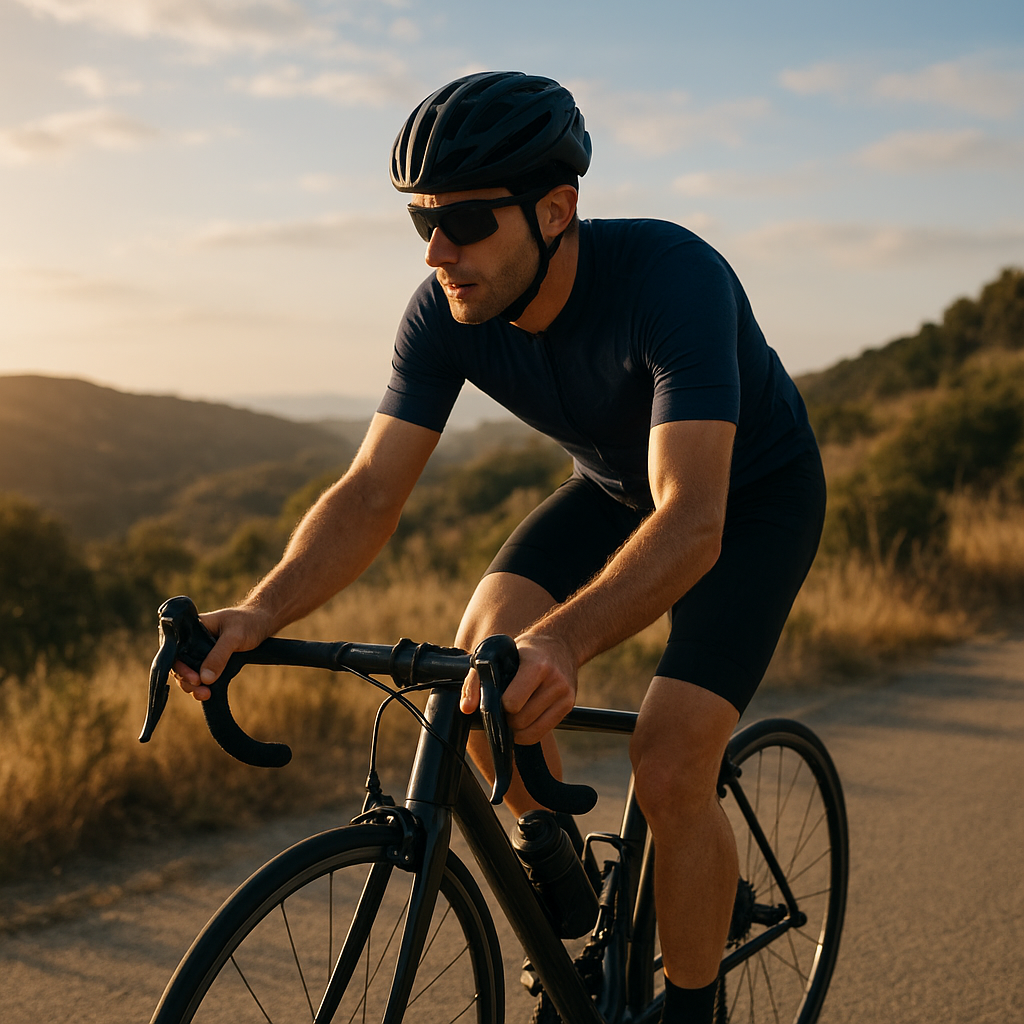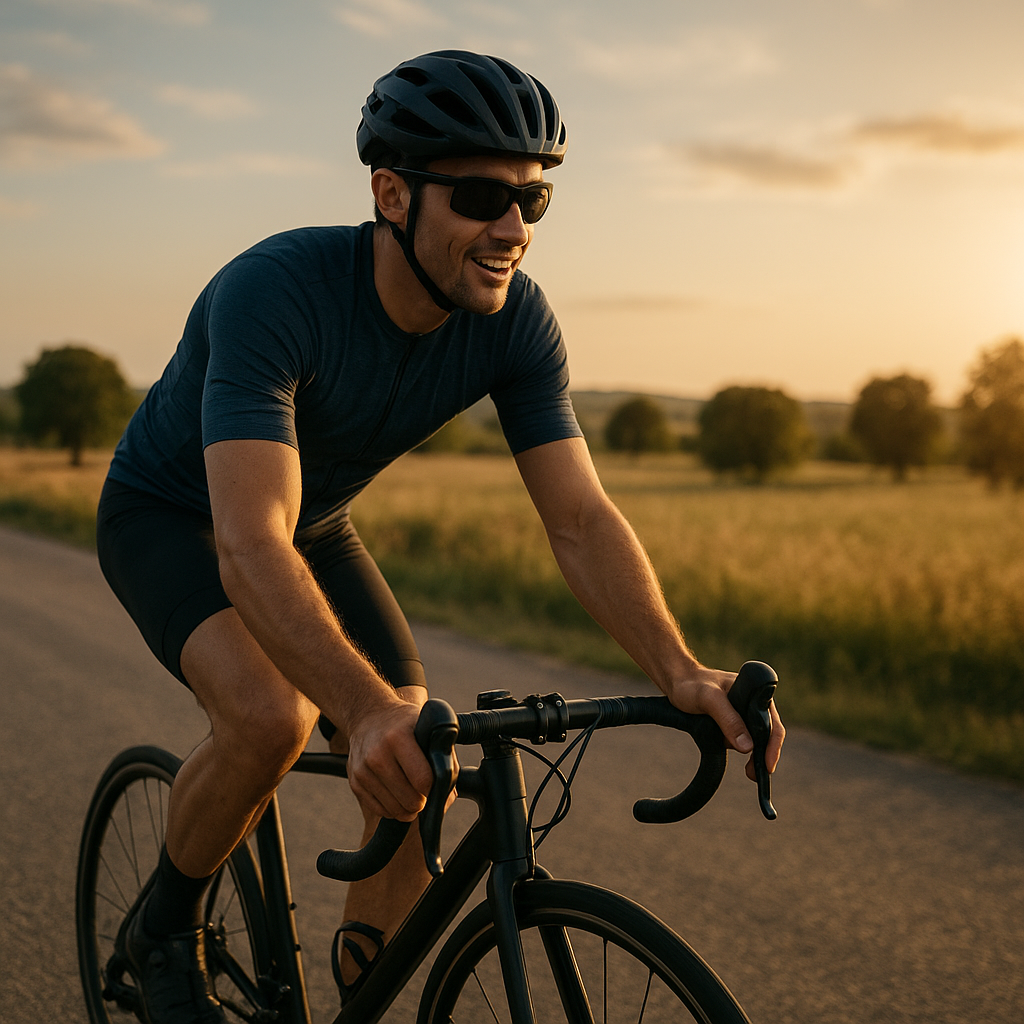
Cycling offers more than just a way to get from point A to point B; it embodies a sense of freedom that resonates deeply with riders of all levels. Whether it’s the rush of adrenaline when descending a steep hill or the calming effect of a gentle pedal through a forest trail, bicycles invite us into a world where every revolution of the wheel connects body and mind. This exploration uncovers the multifaceted appeal of cycling, from physiological advantages to psychological rewards and broader societal impacts.
The Physical Benefits of Cycling
Embracing a habit of regular cycling can transform overall health. It is an activity that simultaneously engages cardiovascular and muscular systems without placing excessive strain on joints.
Cardiovascular Endurance
Pedaling at a steady pace elevates heart rate and enhances blood circulation. This contributes to:
- Lower resting heart rate
- Improved mobility of blood vessels
- Reduced risk of heart disease
Muscle Strength and Flexibility
Riders develop strong leg muscles, particularly in the quadriceps, hamstrings, and calves. Regular rides encourage joint lubrication and improved range of motion, leading to better posture and reduced back pain.
Weight Management and Metabolic Health
High-intensity intervals and long-distance rides boost calorie burn. This helps maintain a healthy weight, regulate blood sugar levels, and improve metabolic rate, making cycling an excellent tool in combating obesity and type 2 diabetes.
The Mental Dimensions of Cycling
Beyond the tangible physical gains, cycling exerts profound effects on mental well-being. The act of focusing on the ride allows for a form of active meditation, promoting mindfulness and reducing stress.
Endorphin Release and Mood Enhancement
Exercise triggers the release of endorphins—our body’s natural mood lifters. A consistent cycling routine can alleviate symptoms of anxiety and depression, providing a sustainable source of endurance and positive outlook.
Building Resilience Through Challenge
Overcoming steep inclines and navigating varied terrain fosters a strong sense of resilience. Each completed ride becomes evidence of personal capability, reinforcing self-esteem and grit.
The Role of Flow State
Many cyclists report entering a “flow state” during long rides, where time perception fades and focus intensifies. This mental immersion enhances concentration skills that translate into everyday tasks.
Social Connections and Community
Cycling is inherently social, whether through organized group rides or spontaneous meetups at local bike shops. These interactions cultivate a shared culture of encouragement and adventure.
Shared Experiences
- Group rides foster camaraderie and accountability.
- Communities host charity events and races, uniting people around good causes.
- Online forums and social media groups offer tips on gear, routes, and training.
Inclusive and Empowering
Riders of varying ages and backgrounds come together on two wheels. The accessibility of cycling creates an empowerment dynamic where achievements are celebrated equally, from first-time beginners to seasoned racers.
The Environmental and Economic Impact
As a form of sustainability, cycling reduces carbon footprints and eases traffic congestion. It presents a cost-effective alternative to motor vehicles, benefiting both individual budgets and urban infrastructures.
Eco-Friendly Transportation
Each mile cycled instead of driven can save significant amounts of CO2 emissions annually. Cities encouraging bike lanes and public bike-sharing systems reap benefits in cleaner air and quieter streets.
Local Economies and Urban Planning
Bicycle-friendly initiatives often stimulate local businesses. Cafés and shops near popular cycling routes see increased foot traffic. Additionally, city budgets can reallocate road maintenance funds when fewer cars damage pavement.
Innovations and the Future of Cycling
Technological progress continues to push cycling into new frontiers. From electric-assist bicycles to advanced composite frames, innovation enhances performance, comfort, and accessibility.
Electric and Connected Bikes
- Electric motors provide adjustable power assistance, making hills and long distances more approachable.
- Smart sensors and GPS integration offer real-time feedback on speed, distance, and route optimization.
- Mobile apps allow riders to track workouts, join virtual challenges, and share achievements.
Material Advances
Modern frames crafted from carbon fiber, titanium, or advanced alloys reduce weight while increasing rigidity. Innovations in tire technology and suspension systems improve ride comfort on diverse terrains.
The Rise of Bikepacking and Adventure Cycling
Combining endurance riding with self-supported travel, bikepacking encourages riders to explore remote landscapes and cultivate a deeper connection with nature. This trend highlights cycling as an avenue for personal discovery and exploration.
Cultivating a Lifelong Passion
Cycling offers layers of reward, from the initial thrill of learning to balance to the satisfaction of conquering epic trails. The synergy of physical challenge, mental clarity, social bonds, and environmental stewardship ensures that once you embrace this activity, it becomes an enduring part of your lifestyle. Whether you ride for health, competition, or simple enjoyment, the bicycle remains a timeless companion on the journey toward well-being and adventure.