Winter can be harsh on any bicycle left unattended. Proper preparation not only preserves the condition of your ride but also makes that first spring outing smoother and safer. By following a few key steps—addressing cleaning, maintenance, storage methods, and post-winter revival—you’ll ensure your bike retains its performance and durability through the cold months.
Getting Your Bike Ready for Winter
Assessing the Frame and Components
Before anything else, place your bike in a well-lit area for a thorough visual check. Look for chips in the paint, loose bolts, or signs of wear on brake pads and tires. Pay special attention to any areas where water might collect or seep in. Identifying issues now prevents minor problems from turning into major repairs once spring arrives.
Deep Cleaning and Degreasing
Dirt, grit, and old grease can trap moisture against metal surfaces, encouraging rust and corrosion. Start by rinsing the frame gently with a hose or sponge—avoid high-pressure jets that can force water into bearings. Apply a mild bike-specific cleaner and a soft brush to all parts, especially drivetrain components. Use a degreaser on the chain, cassette, and chainrings; then rinse thoroughly and let everything air dry completely before moving on.
Tire Care and Wheel Maintenance
Inflating your tires to the manufacturer’s recommended pressure reduces the risk of flat spots developing over months of inactivity. If your bike has quick-release skewers or thru-axles, consider loosening them slightly to relieve tension on seals. Spin each wheel to check for smooth rotation and true alignment. If any wobble or grinding noise is detected, now is the time to address spoke tension or bearing service.
Essential Maintenance Before Storage
Lubrication Strategies
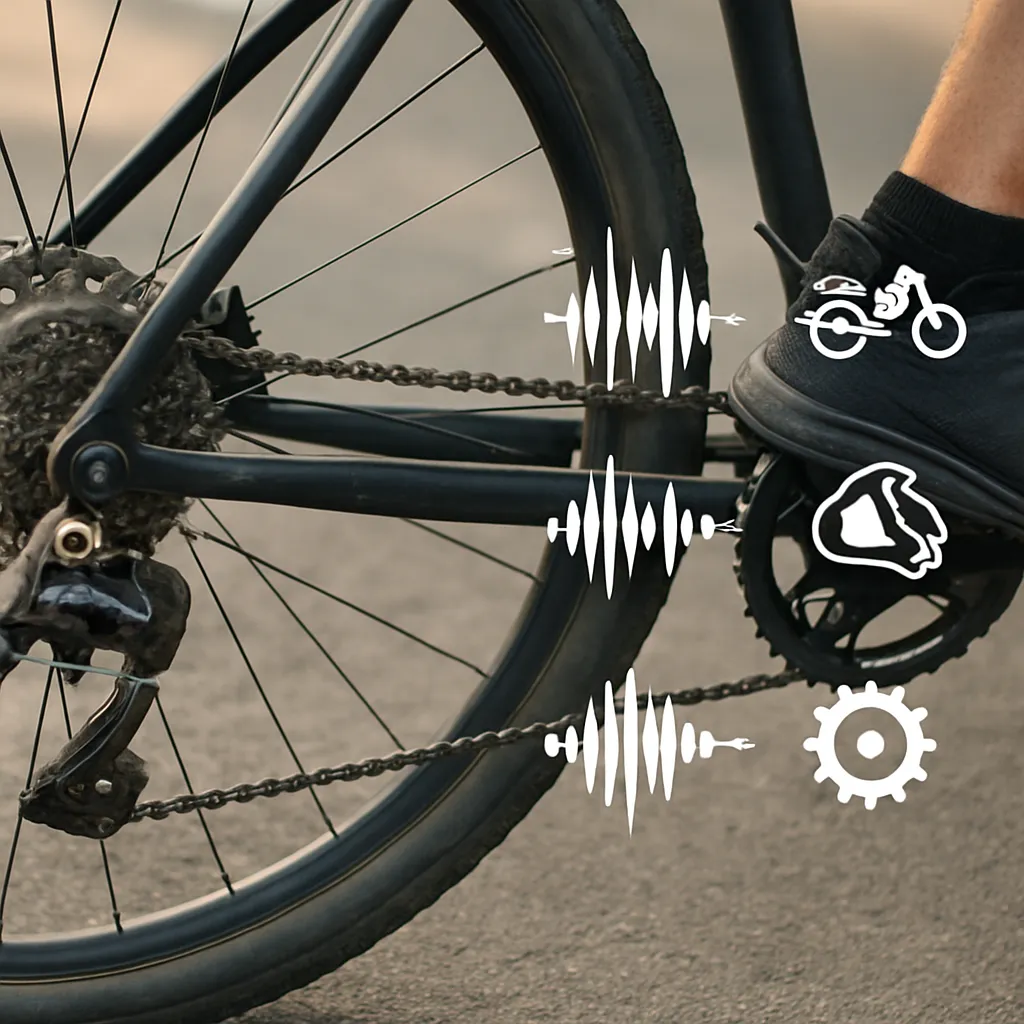
Once the bike is clean and dry, apply a quality bike lubricant where needed. Focus on the chain and pivot points of derailleurs and brake levers. Excess lubricant can attract dust, so wipe away any surplus with a rag. Proper lubrication ensures components move smoothly and prevents metal-on-metal contact during the inactive month.
Protecting Metal Surfaces
To guard against moisture-induced damage, apply a thin layer of anti-corrosion spray or a light oil on exposed metal parts—including cassette cogs, chainrings, and any stainless components. This invisible coating acts as a shield, maintaining a protective barrier against humidity and airborne contaminants.
Battery and Electronics Care (for E-Bikes)
If you’re storing an electric bike, remove the battery and store it indoors at a stable temperature between 10–20 °C. Charge it to about 50–60% and top up every few months to ensure cells remain balanced. For integrated wiring and display units, cover connection points lightly with dielectric grease to prevent condensation buildup.
Choosing the Right Storage Solution
Indoor Storage Options
- Wall Hooks or Racks: Hang your bike vertically or horizontally on a sturdy wall-mounted hook to free up floor space. Ensure hooks are padded to prevent scratches on the frame.
- Ceiling Hoists: Ideal for garages with open ceiling beams—these pulley systems lift your bike safely out of the way.
- Bike Stands: A simple floor stand can support your bike upright, keeping weight off the tires and rims.
Outdoor Storage with Protection
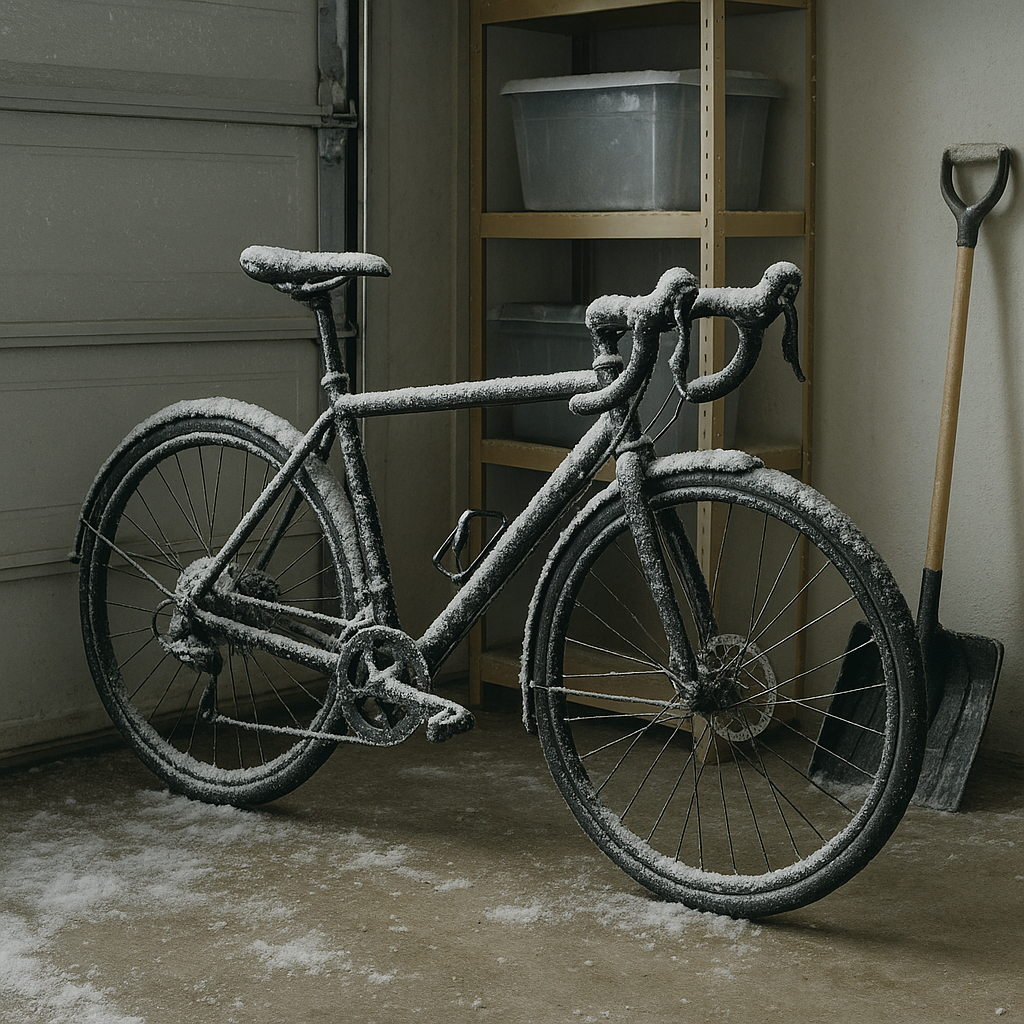
If indoor space is unavailable, consider a high-quality weatherproof bike cover. Look for covers labeled UV-resistant and breathable to avoid condensation pockets. Place your bike on a wooden pallet or brick base so it doesn’t sit in puddles or snowdrifts. For added security, use a robust lock through the frame and a secure anchor point.
Climate Considerations
Extreme temperature swings can stress materials and lead to seal failure over time. A well-ventilated, climate-controlled space—such as a basement or heated garage—creates an optimal environment for storage. Avoid attics with excessive heat in summer or uninsulated sheds that drop below freezing.
Long-Term Storage Tips and Post-Winter Revival
Periodic Inspection
Every month or so, take a moment to inspect your stored bike. Look for signs of moisture accumulation, pest damage (rodents can chew through cables), or unintended movement that loosens fittings. A quick check helps you catch issues before they become serious.
Reinflating Tires and Checking Pressure
Tire pressure naturally decreases over time. Before your first spring ride, pump up the tires to the recommended PSI. Inspect the sidewalls for cracks or splitting caused by prolonged pressure or cold. Replace the tubes or tires if any damage is found.
Brake and Gear Inspection
Test brake levers for firm engagement; if they feel spongy, bleed hydraulic lines or adjust cable tension. Shift through all gears to ensure smooth transitions. If you notice hesitation or skipping, fine-tune the derailleur alignment or schedule a professional maintenance service.
Final Lubrication and Adjustment
Reapply a light coat of chain lube and wipe off excess to maintain efficiency. Check headset and bottom bracket play, tightening or servicing as necessary. Ensure pedals spin freely without play, and that all bolts are torqued to the manufacturer’s specifications.
Ready for Cycling
With these steps complete, your bicycle will be in top condition to tackle spring roads or trails. Regular seasonal care maximizes performance, extends component life, and keeps every ride as close to peak sharpness as possible.