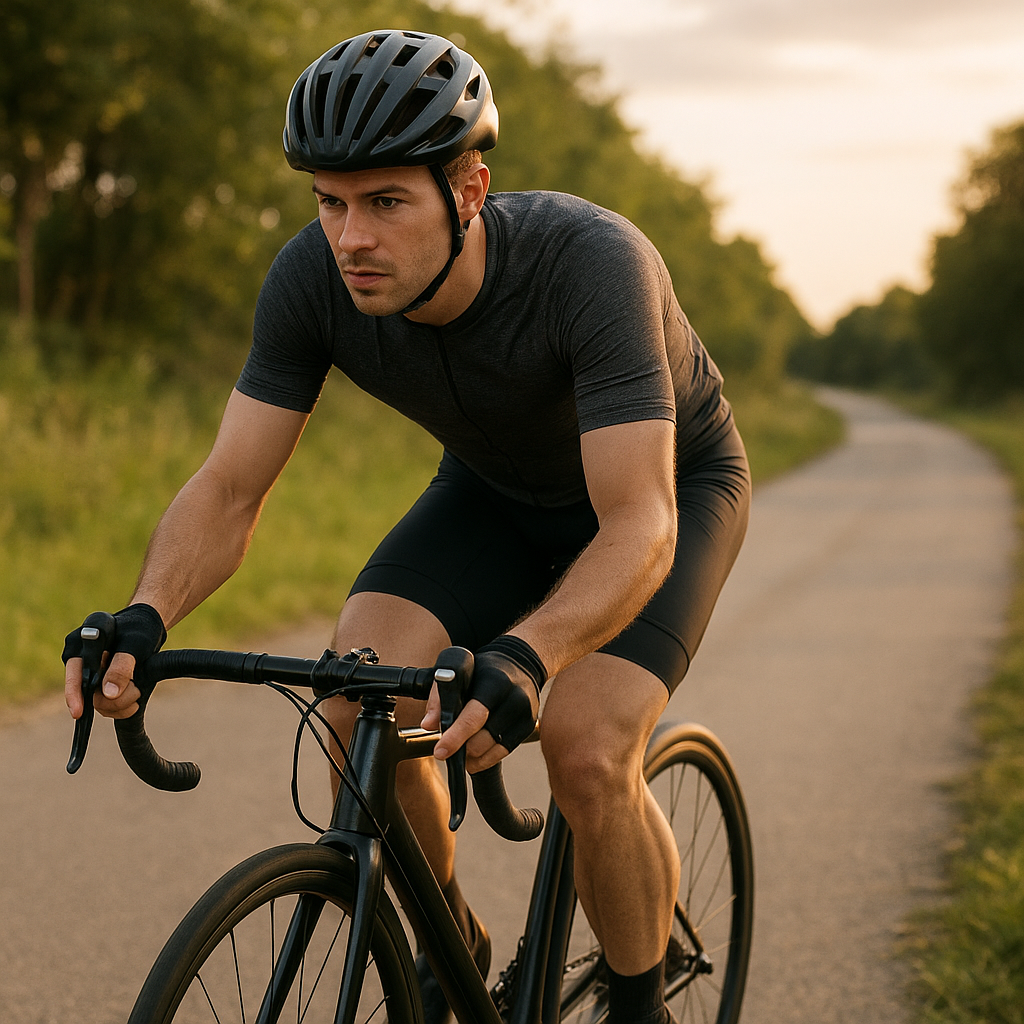
Embarking on your first cycling race is a thrilling challenge that combines physical effort, technical knowledge, and strategic planning. Whether you are aiming for a local criterium or a long-distance road event, a structured approach to preparation can make the difference between simply finishing and achieving a personal best. This guide covers key aspects of bicycle selection, gear, training methodology, fueling strategies, and maintenance tips to help you cross the starting line with confidence.
Choosing the Right Bicycle
Selecting an appropriate bicycle is the first critical decision for a new racer. The right frame, components, and fit will influence your performance, comfort, and safety.
Types of Racing Bikes
- Road bike: Lightweight frames and narrow tires designed for speed on smooth pavement.
- Gravel bike: Versatile geometry and wider tires for mixed-surface adventures and longer rides.
- Cyclocross bike: Sturdy build to handle off-road circuits with obstacles, ideal for technical courses.
Frame Material and Geometry
Carbon frames offer a stiff chassis and superior vibration damping, boosting power transfer. Aluminum provides a cost-effective option with lively handling, while steel brings durability and compliance. Pay attention to the geometry: aggressive angles favor aero efficiency, while more relaxed setups give stability during long endurance rides.
Finding the Perfect Fit
Invest in a professional bike fit to optimize saddle height, reach, and handlebar position. Proper adjustments reduce the risk of injury and help maintain an efficient cadence throughout your training and racing.
Essential Gear and Equipment
Beyond the bike itself, you need quality accessories to support safe and comfortable training sessions.
Protective Clothing
- Helmet: Certified protection with a snug fit and adequate ventilation.
- Performance jerseys and bib shorts: Moisture-wicking materials to manage sweat and reduce skin irritation.
- Gloves and padded saddle covers: Prevent chafing and enhance grip on the drops during sprints.
- Sunglasses or clear lenses: Shield eyes from sun, wind, and debris.
Tools and Spares
- Mini pump or CO₂ inflator and patches for quick drivetrain and tire repairs on the go.
- Multitool with Allen keys and a chain tool.
- Spare tubes and tie wraps.
- Floor pump with pressure gauge for precise tire inflation.
Building Your Training Plan
A well-rounded schedule balances endurance, speed work, and recovery. Consistency is the key to improving your aerobic power and muscular endurance.
Base Endurance Rides
Spend 60–70 percent of your weekly volume at a moderate intensity. These long rides develop cardiovascular capacity and teach efficient energy utilization.
Interval Sessions
Incorporate high-intensity interval training (HIIT) once or twice weekly. For example:
- 5-minute warm-up, followed by 4×4-minute efforts at 90–95% of maximum heart rate, with 4-minute active recovery.
- Short sprints: 8×30 seconds at maximal effort with 4-minute rest.
Strength and Flexibility
Include gym sessions focusing on core stability, leg strength, and mobility exercises. A balanced program enhances power output and reduces injury risk.
Rest and Recovery
Schedule at least one full rest day per week. Use easy spins and sleep hygiene to promote muscle repair and hormonal balance.
Fueling and Hydration
Nutrition strategies impact your energy levels, recovery, and overall performance. Plan meals and fluids around your workouts.
Pre-Race Nutrition
Consume a carbohydrate-rich meal 2–3 hours before your race. Options include oatmeal with fruit, rice bowls, or whole-grain toast with peanut butter. Avoid high-fat or high-fiber foods that may cause gastrointestinal discomfort.
Mid-Ride Fuel
- Energy gels or chews: Provide quick carbohydrates in a compact form.
- Bananas or energy bars: Supply slower-release carbs and natural electrolytes.
- Drink mix: Aim for 60–90 grams of carbs per hour, adjusted to personal tolerance.
Hydration Strategies
Maintain fluid balance with water and electrolyte drinks. Track your sweat rate by weighing yourself before and after training sessions. Replace 100–150% of weight lost through fluids in the following hours.
Post-Ride Recovery
Within 30 minutes after your ride, consume a 3:1 ratio of carbs to protein to kick-start muscle repair. Examples include chocolate milk, yogurt with fruit, or a smoothie with whey protein and banana.
Safety and Bike Maintenance
Safe riding habits and regular upkeep extend the lifespan of your equipment and minimize the chance of mechanical failures.
On-Road Safety
- Obey traffic laws and use appropriate hand signals.
- Stay visible with reflective gear and lights if riding in low-light conditions.
- Practice group riding etiquette: call out obstacles and maintain a safe distance.
- Scout race courses beforehand to familiarize yourself with turns and surface changes.
Routine Bike Checks
Perform these checks before each ride:
- Tire pressure: Inflate to manufacturer’s recommended range.
- Brake function and pad wear.
- Chain lubrication and tension.
- Quick-release skewers or thru-axles tightened properly.
Periodic Servicing
Schedule a professional service every 3–6 months, depending on mileage and conditions. This should include headset adjustment, bottom bracket inspection, and a thorough drivetrain cleaning.