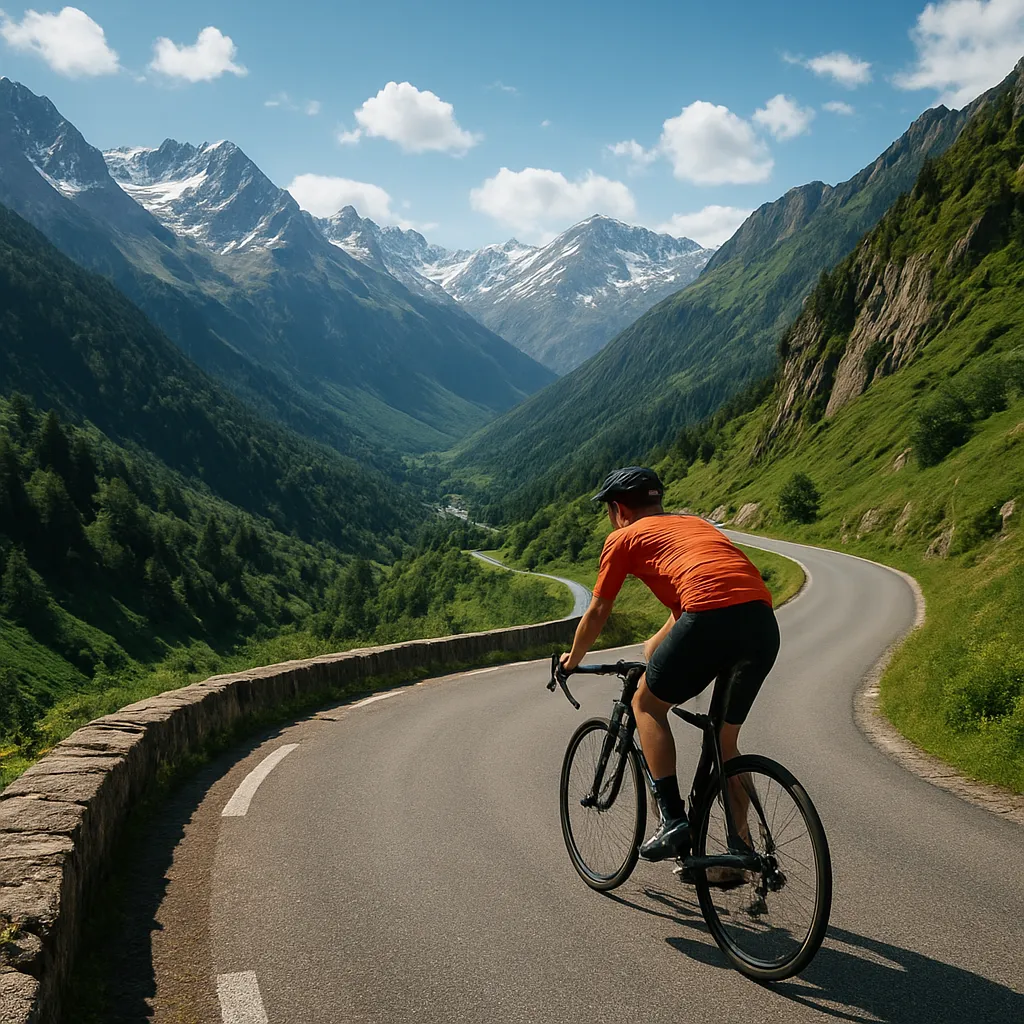
Cycling has grown beyond mere transportation, evolving into a global phenomenon that unites athletes, enthusiasts, and casual riders alike. From humble wooden frames of the 19th century to cutting-edge carbon designs, the bicycle embodies innovation and passion. This article explores key milestones in bicycle development, highlights the world’s most legendary races, and delves into how modern technology and vibrant culture shape the sport today.
Evolution of the Bicycle and Its Impact
Early inventors experimented with a variety of contraptions: the draisine, penny-farthing, and safety bicycle gradually introduced riders to new levels of comfort and speed. By the early 20th century, mass production made cycling accessible to working-class families, fostering a wave of health-conscious commuters and weekend adventurers.
As designs matured, materials shifted from wood and steel to aluminum alloys and, eventually, lightweight carbon fiber. Each leap forward boosted riders’ endurance and allowed for more daring challenges. Today’s frames are engineered with wind-tunnel data, vibration-damping technologies, and aerodynamic tube profiles, demonstrating how far the humble two-wheeler has come.
The bicycle’s versatility extends beyond racing: touring, mountain biking, and urban commuting all benefit from decades of innovation. From gravel grinders exploring remote dirt roads to sleek city e-bikes zipping through traffic, cycling continues to redefine personal mobility and sustainable travel.
Historic and Legendary Cycling Races
Major Stage Races
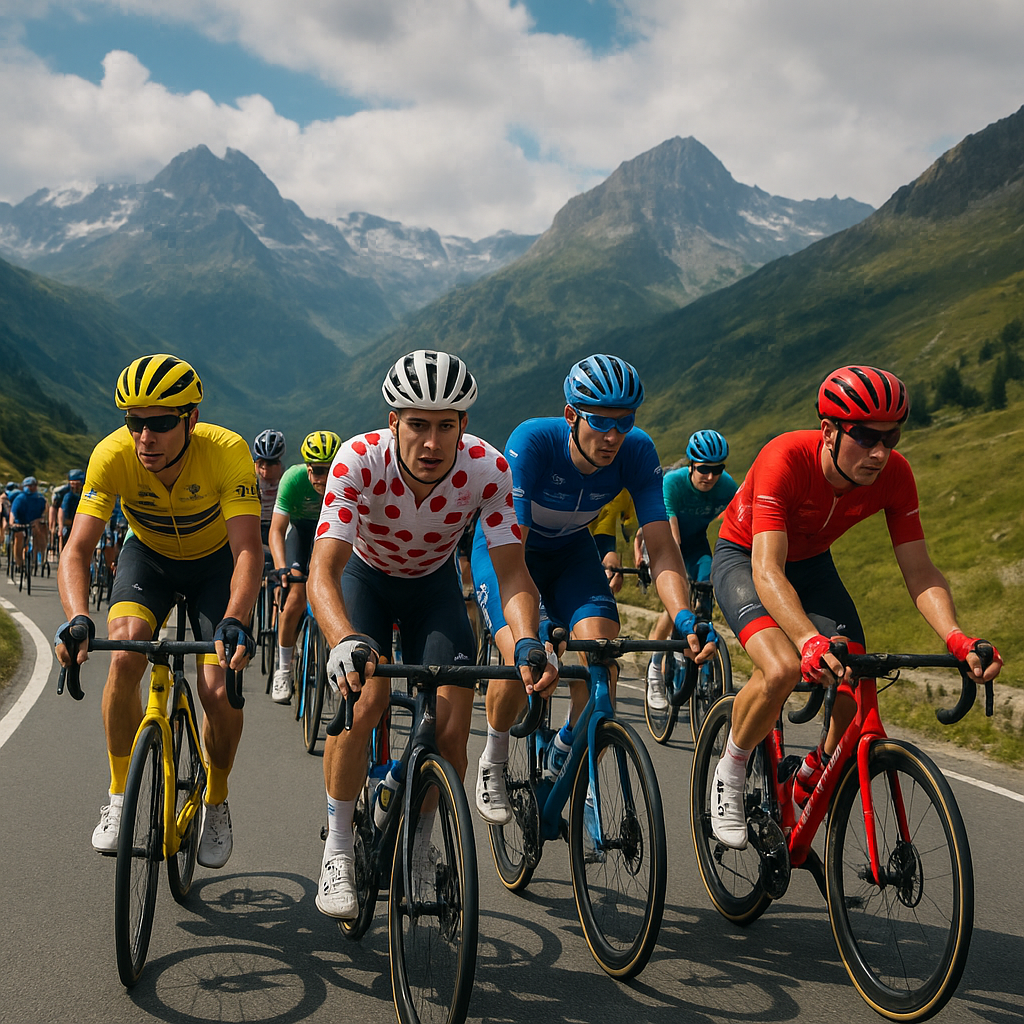
- Tour de France – Established in 1903, this is the most prestigious of all stage races, drawing millions of roadside spectators and global TV audiences.
- Giro d’Italia – A showcase of Italy’s picturesque landscapes, it combines grueling mountain passes with high-speed flat sections.
- Vuelta a España – Known for its steep climbs and unpredictable weather, the Vuelta tests riders’ resilience.
One-Day Classics and Monuments
- Milan–San Remo – The “Spring Classic” covers nearly 300 kilometers in one epic day.
- Paris-Roubaix – Famous for cobblestone sectors that demand raw power and tactical acumen.
- Tour of Flanders – A roller-coaster route with short, brutal climbs known as “hellingen.”
- Liège-Bastogne-Liège – The oldest Monument, tracing a route through Belgium’s hilly Ardennes.
- Il Lombardia – The “Race of the Falling Leaves” concludes the European season with stunning vistas.
These competitions built a rich tradition. Victories here cement riders’ reputations as cycling icons, while fans celebrate every pedal stroke with unwavering devotion.
Modern Innovations in Race Bicycles
Contemporary race bikes are marvels of engineering. Frames utilize monocoque carbon layups, tuned to provide optimal stiffness-to-weight ratios. Advanced paint systems not only offer eye-catching finishes but also reduce surface drag. Integrated cockpits hide cables and house electronic shifting components, allowing riders to alter gear ratios with the push of a button.
Wheel technology has also taken leaps forward. Deep-section carbon rims slice through crosswinds, while tubeless setups improve puncture resistance and comfort. Power meters embedded in cranksets supply real-time wattage data, empowering athletes to pace themselves with scientific precision.
Teams invest heavily in data analysis, wind-tunnel testing, and biomechanical optimizations. From custom saddle shapes to personalized stem lengths, every component aims to extract marginal gains. This constant push for refinement underscores how technology drives overall performance in elite competition.
Global Cycling Cultures and Festivities
Around the world, cycling inspires unique traditions. In the Netherlands, bicycles outnumber people, and every child grows up mastering road etiquette. Japan’s Keirin circuits turn races into high-stakes spectacles in velodromes buzzing with anticipation. In Colombia’s Andes, amateur riders tackle steep hairpins to honor local heroes.
Major events create festivals of their own. Villages along the Tour de France dress up in yellow to greet the peloton, while fans set up grandstands at iconic climbs like Alpe d’Huez. Street parties erupt after one-day classics, and charity rides allow anyone to test themselves on famous routes, blending the professional and the grassroots.
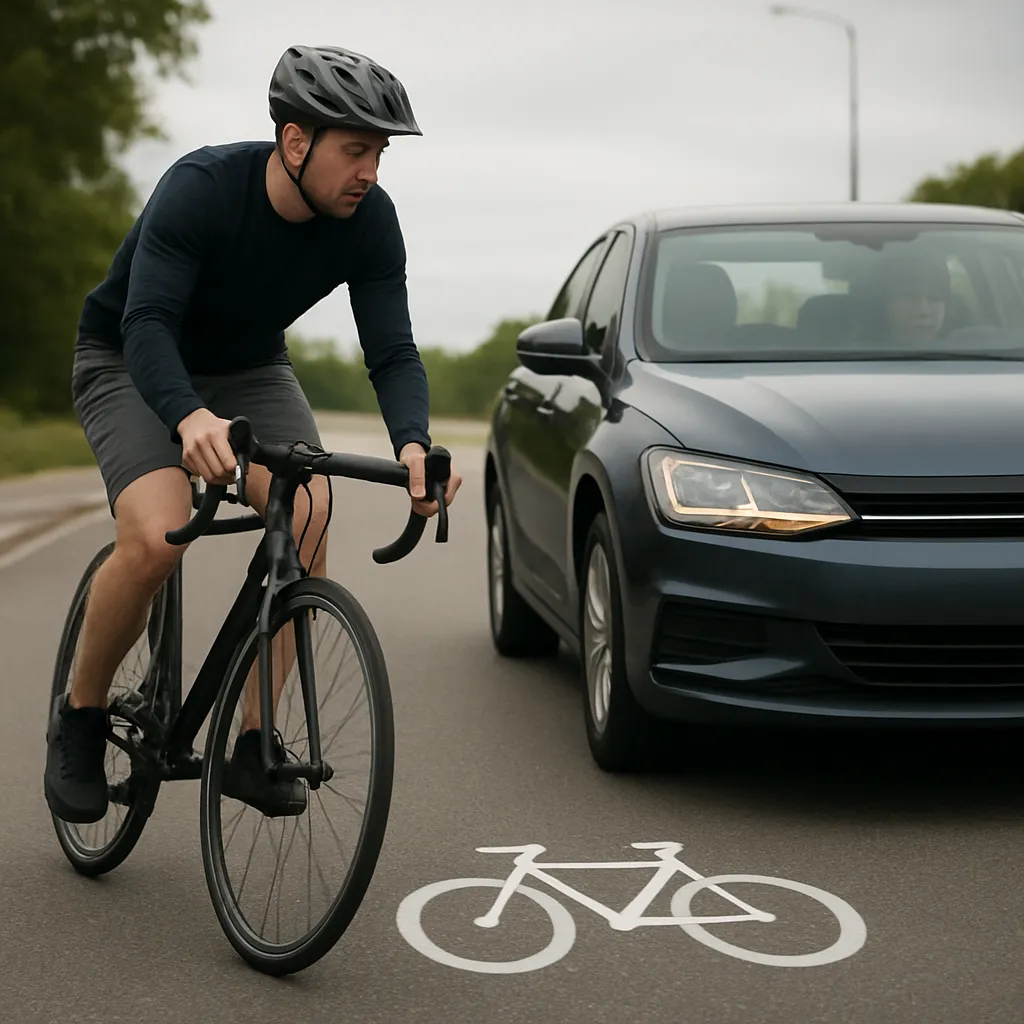
Cycling advocacy groups champion safer infrastructure, promoting bike lanes and traffic-calming measures. Urban planners now recognize cycling’s role in reducing emissions and improving public health. This growing emphasis on sustainable mobility illustrates a global shift toward greener cities and active lifestyles.
Off-Road Adventures and Emerging Trends
Beyond pavement, mountain biking and gravel riding have surged in popularity. New disciplines like enduro racing and bikepacking combine technical skill with self-sufficiency. Brands are developing versatile “all-road” frames that accommodate wider tires, drop bars, and multiple bottle cages, catering to explorers who seek both speed and comfort.
- Bikepacking – Long-distance tours that blend camping and cycling across rugged terrain.
- Gravel Endurance Races – Events challenging riders on mixed surfaces, emphasizing endurance and adaptability.
- Electric Mountain Bikes – Providing an extra boost on steep climbs and opening remote trails to more participants.
These off-road pursuits foster communities that share routes, gear tips, and navigation hacks. Social media platforms host virtual challenges, while local clubs organize group rides that welcome all skill levels.
Women in Cycling: Breaking Barriers
Women’s cycling has seen remarkable growth, with dedicated teams, increased media coverage, and new UCI events boosting visibility. Historic races like Liège-Bastogne-Liège Femmes and the Women’s Tour showcase elite talent, while grassroots initiatives encourage girls to take up the sport.
Sponsorships and prize equity campaigns push governing bodies to invest in women’s competitions. High-profile athletes serve as role models, demonstrating that cycling offers opportunities for professional careers, personal empowerment, and global recognition.
Equal access to coaching, equipment, and race calendars remains a focal point. Organizations around the world are championing development programs that ensure the next generation of female riders can thrive on and off the bike.
Future Outlook: Sustainability and Inclusivity
The cycling industry is increasingly committed to eco-friendly manufacturing and supply-chain transparency. Recycled carbon, biodegradable packaging, and extended frame warranties reduce environmental impact. Bike-share systems and e-bike incentives encourage people to choose cycling over cars.
Inclusivity efforts aim to make cycling accessible to diverse communities. Adaptive bikes, community workshops, and subsidized programs break down economic and physical barriers. By fostering collaboration between local governments, NGOs, and private sponsors, cycling can continue its evolution as a force for positive change.
As champions rise and new routes are discovered, the spirit of the bicycle endures. The blend of culture, competition, and camaraderie ensures that whether you’re chasing a rainbow jersey or pedaling through countryside lanes, the journey remains as compelling as ever for every cycling enthusiast.