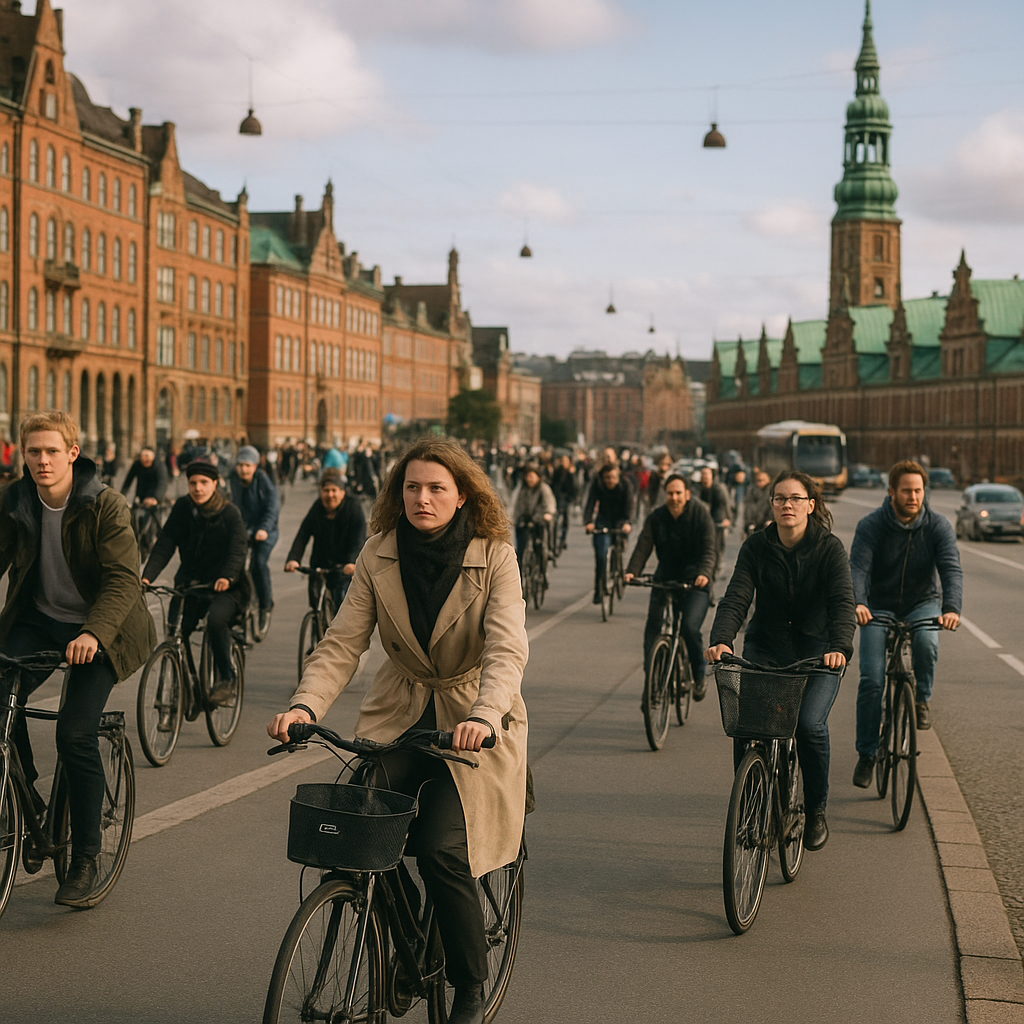
Copenhagen has emerged as a global example of how thoughtful urban planning and a deep-rooted love for the bicycle can transform a city’s identity. Over decades, this Scandinavian capital has cultivated a reputation for seamless cycl ing experiences, turning daily commutes into an accessible, healthy routine. This article explores the key factors that elevated Copenhagen to its status as the world’s premier cycling metropolis, drawing lessons that other urban centers can adopt.
Evolution of Cycling Culture in Copenhagen
The story of Copenhagen’s rise as the bicycle capital begins in the late 19th century when two-wheeled transport first appeared on cobbled streets. Initially viewed as a recreational pastime, cycling gradually gained traction as a practical mode of transport. By the mid-20th century, cars began to dominate, prompting a civic backlash that rekindled interest in pedal-powered mobility. Residents recognized that prioritizing motor vehicles came at the expense of street safety, air quality, and health.
Efforts to reclaim the road for cyclists were spearheaded by local advocacy groups, who campaigned relentlessly for dedicated lanes and traffic-calming measures. This grassroots momentum aligned with broader European concerns about urban congestion and pollution. As policymakers began to see the benefits, budgets were reallocated toward expanding the cycling network. Community events like “Bike to Work Day” built social pressure, fostering a robust sense of community around two-wheeled travel.
By the early 1990s, a clear consensus had emerged: cycling was not just a hobby but an essential element of urban life. Copenhagen’s leadership embraced this shift, integrating bicycle-friendly design into every municipal plan. The result was an organic yet strategic embrace of pedal power—one that prioritized safety, accessibility and inclusivity for riders of all ages.
Building World-Class Infrastructure
Critical to Copenhagen’s success was an unwavering commitment to world-class infrastructure. The city rolled out a comprehensive network of protected bike lanes, known locally as “cycle tracks,” separated from traffic by curbs or green buffers. These thoroughfares ensure that cyclists face minimal interaction with fast-moving vehicles, drastically reducing accident rates.
- Signal Priority: Special traffic lights detect approaching cyclists, granting them extended green phases.
- Parking Solutions: Multi-level bike parking garages and secure racks near transit hubs combat theft and clutter.
- Bridge Design: Architecturally innovative overpasses, like the “Circle Bridge,” connect waterfront neighborhoods seamlessly.
- Winter Maintenance: Snowplows clear cycle tracks promptly, ensuring year-round reliability.
- Wayfinding: Clear signage and painted lanes guide cyclists through complex intersections and across districts.
This emphasis on physical improvements was complemented by stringent regulations favoring urban cyclists. Speed limits for cars were lowered in residential zones, and large delivery vehicles face restricted access during peak hours. Some streets were converted to “bicycle boulevards,” barring through-traffic for motor vehicles and giving riders unimpeded routes through the city center.
Investments in technology also played a role. Real-time apps monitor bike lane congestion, while dynamic lighting adjusts brightness based on rider presence. Collectively, these measures created an ecosystem where cycling is not an afterthought but a primary mode of movement.
Economic and Environmental Impact
Investing in sustainability through a cycling-centric strategy yields dividends far beyond reduced traffic jams. Copenhagen’s cycling network contributes significantly to the local economy by lowering infrastructural costs. Building a mile of protected bike lane can cost a fraction of what a single car lane demands. Maintenance expenses for cycle tracks are likewise modest compared to repairing asphalt worn by heavy vehicles.
Furthermore, cycling invigorates local businesses. Studies show that cyclists make more frequent stops at shops and cafes, boosting revenue for small enterprises. Tourists, drawn by the city’s culture of easy, scenic rides, spend on bike rentals, guided tours, and hospitality services. This influx bolsters hospitality sectors and cements Copenhagen’s reputation as a travel destination for eco-conscious visitors.
On the environmental front, the shift from engines to pedals has slashed carbon emissions dramatically. Copenhagen aims to become carbon-neutral by 2025, and cycling is a cornerstone of that ambition. Reduced air pollution leads to measurable improvements in public health, with fewer cases of respiratory disease and cardiovascular issues reported across the population.
At the same time, the city’s commitment to promoting equity is evident in subsidized bike-share programs that make quality mobility options accessible to all income levels. Initiatives include e-bike lending schemes for senior citizens and discounted memberships for students, ensuring that no demographic is excluded from the benefits of a bike-friendly city.
Lessons for Other Cities
Copenhagen’s recipe for success blends vision, persistence, and a willingness to challenge the status quo. Key takeaways for other urban centers include:
- Political Will: Leadership must prioritize cycling in budgetary and policy decisions.
- Public Engagement: Involve citizens early in the planning process to build a strong advocacy base.
- Incremental Implementation: Start with pilot projects—pop-up cycle lanes or temporary car-free streets—to demonstrate impact.
- Cross-Sector Collaboration: Coordinate between transportation, health, environment and tourism departments for a holistic approach.
- Data-Driven Adjustments: Use analytics to monitor usage patterns and iterate on designs accordingly.
Embracing innovation does not mean reinventing the wheel; it means recognizing the transformative potential of existing solutions and tailoring them to local contexts. Whether a sprawling megacity or a small town, municipalities can reap substantial gains by treating cycling not as a fringe alternative but as an integral element of urban life. By adopting Copenhagen-inspired strategies, cities can unlock safer streets, cleaner air, and more resilient communities ready to thrive in the 21st century.