Embarking on an international cycling adventure demands meticulous preparation and a comprehensive understanding of what lies ahead. This guide offers a detailed roadmap to help you plan, equip, and execute an unforgettable journey. From selecting the right bicycle to mastering on-the-road maintenance, you’ll find all the insights necessary to turn dreams of cross-border rides into reality.
Planning Your Route and Logistics
Effective navigation and route selection form the backbone of any successful international bike trip. Before setting off, take time to research the regions you’ll traverse, local regulations, and seasonal weather variations.
Research and Mapping
- Identify high-quality cycling maps or GPS applications suited to your device.
- Check elevation profiles to gauge daily climbing and descent challenges.
- Plan for alternative paths in case of road closures or extreme weather events.
- Look for reputable travel blogs and cycling forums for firsthand accounts.
Visas, Permits, and Customs
- Verify entry requirements for each country, including visa durations and extension options.
- Understand customs rules for importing bicycles and spare parts.
- Prepare digital and physical copies of essential documents, including passport, travel insurance, and health certificates.
Accommodation and Rest Days
- Research hostels, guesthouses, and camping spots along your route.
- Plan weekly rest days to recover—this boosts physical endurance and prevents burnout.
- Consider homestays or community-hosted accommodations for cultural immersion.
Essential Gear and Equipment
Choosing the right gear can significantly impact comfort, efficiency, and safety on the road. Aim for a balance between durability, weight, and versatility.
Bicycle Selection
- Opt for a touring or gravel bike with a robust frame and mounting points for racks.
- Ensure wheel strength: double-butted spokes, quality hubs, and sturdy rims.
- Select tires suited to mixed terrain—consider puncture-resistant layers for added security.
Panniers, Racks, and Packing
- Invest in waterproof panniers or dry bags to protect clothing and electronics.
- Distribute weight evenly: heavy items on the front low rack, medium on rear panniers, and lighter gear in handlebar bags.
- Use compression sacks for sleeping bags and clothing to save space.
Tools and Spare Parts
- Carry a multi-tool, patch kit, spare tubes, and tire levers.
- Include spare brake pads, derailleur hanger, and chain links for roadside repairs.
- Pack a compact pump or CO₂ inflator for quick tire inflation.
Physical Preparation and Training
Building your fitness level is crucial for tackling long days in the saddle. A structured training plan will help you improve stamina and reduce the risk of injury.
Endurance and Interval Workouts
- Start with weekly long rides, gradually increasing distance by 10% each week.
- Incorporate interval sessions: short bursts of high intensity followed by recovery rides.
- Practice back-to-back riding days to simulate multi-day touring stresses.
Strength and Flexibility
- Perform core exercises such as planks, bridges, and rotational twists to support posture.
- Include leg strength routines like squats, lunges, and calf raises.
- Adopt a daily stretching routine or yoga practice to maintain flexibility and prevent muscle tightness.
Nutrition and Hydration Strategies
Effective nutrition and hydration keep energy levels steady and muscles functioning optimally.
- Practice fueling sessions on training rides—test energy bars, gels, and electrolyte drinks.
- Aim for 60–90 grams of carbohydrates per hour during sustained efforts.
- Stay vigilant about fluid intake; monitor urine color as a hydration indicator.
On the Road: Safety, Maintenance, and Culture
Once you set out, maintaining your bike, staying safe, and appreciating local customs will enhance your experience and ensure you arrive at each destination with minimal headaches.
Routine Maintenance Checks
- Inspect tire pressure and tread daily; adjust to road conditions.
- Clean and lube your chain every 200–300 kilometers to reduce wear.
- Check brake function, cable tension, and wheel alignment each morning.
Safety Protocols
- Wear a well-fitted helmet and high-visibility clothing at all times.
- Use front and rear lights, even during daylight hours in low-visibility regions.
- Obey local traffic laws; learn hand signals and road etiquette unique to each country.
Navigational Tools
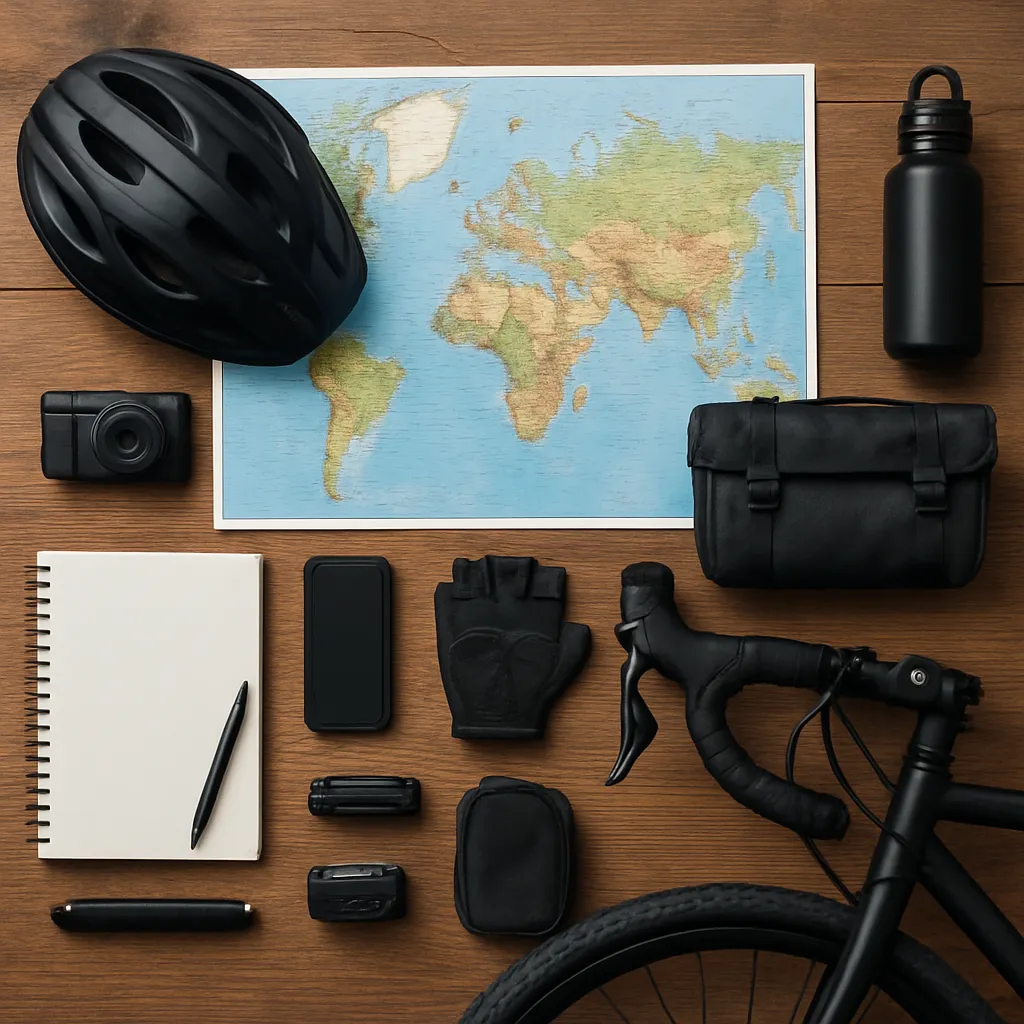
- Carry both digital maps on a GPS device and a paper backup in case of electronics failure.
- Download offline maps and waypoints for remote areas with limited signal.
- Regularly cross-check your position against physical landmarks to stay on course.
Embracing Local Culture
Respectful engagement enriches your journey and fosters goodwill in every community you encounter.
- Learn basic phrases in the regional language to improve communication and access local recommendations.
- Try traditional foods; this supports local economies and diversifies your diet.
- Participate in community events or festivals when timing permits.
Stay flexible and adaptable as you traverse borders, climates, and terrains. With diligent preparation and an adventurous spirit, your international bike tour will become a series of unforgettable memories.