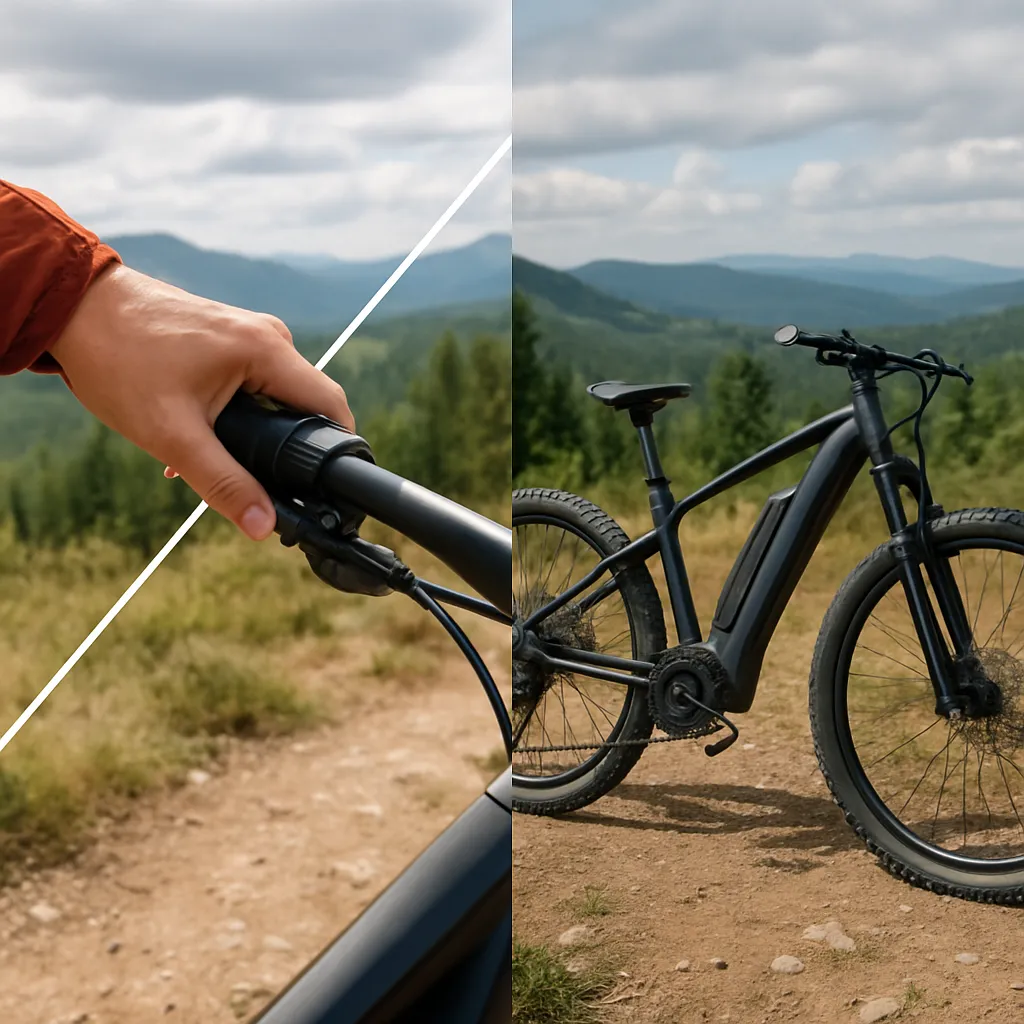
Electric mountain biking has revolutionized off-road cycling by combining traditional pedal power with an integrated motor system. Riders now enjoy extended excursions, steeper climbs, and faster descents without exhausting all their physical reserves. This article explores the multifaceted aspects of owning an electric mountain bike, from performance advantages to practical considerations. Whether you’re a seasoned rider or new to off-road adventures, understanding these elements will help you decide if an eMTB is the right choice.
Benefits of Electric Mountain Bikes
Modern electric mountain bikes deliver a host of advantages that transform the riding experience. First and foremost is the assistance provided by the motor, which significantly reduces the effort required during uphill climbs. Riders can tackle long, steep ascents that would otherwise be out of reach for many enthusiasts. This extra push also allows beginners to gain confidence on challenging terrain.
Another major benefit is extended range. With pedal assist and multiple power modes, it’s possible to cover greater distances in a single outing. Many battery systems are designed to last for 40–70 miles on one charge, depending on terrain, rider weight, and assistance level. This expanded range means less worry about running out of power in remote areas.
Explore remote singletracks and challenging trail features. An electric motor’s torque output can propel you over rocky obstacles and technical sections with less fatigue, enabling longer rides and quicker recovery. This opens up areas that were once reserved for expert riders and adds an adventurous edge to every journey.
Drawbacks of Electric Mountain Bikes
While transformative, electric mountain bikes also come with certain downsides that potential owners should consider. The most obvious is weight. Integrated motors and high-capacity battery packs add significant mass compared to traditional mountain bikes. Heavier bikes can be more cumbersome when carrying and maneuvering at low speeds or when tackling extremely technical terrain without power.
Cost is another factor. Premium eMTB models can run well above the price of standard mountain bikes. High-performance motors and batteries, advanced suspension systems, and robust frames contribute to a substantial initial investment.
Maintenance and repair can also be more involved. Electric drivetrains have additional components—motors, controllers, wiring harnesses, and maintenance requirements—that require specialized knowledge. Finding qualified service centers may be harder in some regions, and replacement parts can be expensive.
Battery lifespan and charging infrastructure present ongoing challenges. Lithium-ion batteries degrade over time, losing capacity after hundreds of charge cycles. Ensuring you have access to reliable charging at trailheads or campsites can require careful planning, especially for multi-day excursions.
Choosing and Maintaining Your Electric Mountain Bike
Selecting the right eMTB involves balancing performance, durability, and price. Here are key factors to weigh:
- Motor Type: Choose between hub-drive and mid-drive systems. Mid-drive motors offer better weight distribution and shifting performance, while hub motors tend to be simpler and more affordable.
- Battery Capacity: Measured in watt-hours (Wh). Higher Wh ratings yield greater range but add weight. For extended backcountry rides, look for capacities above 500 Wh.
- Frame Geometry: A modern eMTB should have geometry optimized for stability at speed and responsive handling. Test ride multiple sizes to find the best fit for your riding style.
- Suspension: Quality forks and rear shocks with ample travel (140 mm or more) will smooth out rough terrain and improve traction.
- Component Quality: Reliable brakes, durable drivetrain, and robust wheels are essential to handle the extra loads imposed by electric assist.
Ongoing care is crucial to preserve performance and reliability:
- Keep the battery between 20% and 80% charge for daily use to extend lifespan.
- Clean and lubricate the chain and derailleur regularly to reduce wear.
- Inspect wiring and connectors after muddy or wet rides to prevent corrosion.
- Schedule annual professional tune-ups to calibrate sensors and update firmware.
Enhancing Your Electric Mountain Bike Adventure
To fully harness the potential of an electric mountain bike, consider complementary accessories and practices:
- Protective Gear: Helmets, knee pads, and gloves become even more important at higher speeds.
- GPS Navigation: A reliable bike computer with trail maps helps you explore new areas confidently.
- Hydration and Nutrition: Longer rides demand extra water and energy snacks—pack them strategically.
- Group Riding: Riding with others can improve safety and share charging gear when needed.
- Sustainability: Use eco-friendly chargers and consider renewable energy sources to minimize environmental impact.
Ultimately, owning an electric mountain bike blends the thrill of off-road cycling with elevated endurance and accessible performance. By evaluating both the advantages and potential drawbacks, you can make an informed decision that aligns with your riding ambitions and lifestyle.