Cycling offers an eco-friendly and health-focused way to get around, but even the most careful riders may inadvertently breach traffic regulations. Understanding the reasons behind such mistakes is crucial for both personal safety and legal compliance. The following sections explore common unintentional violations, practical safety strategies, and the role of technology in making every ride safer and more enjoyable.
Understanding Bicycle Regulations
Every region has its own set of rules governing bicycle use. While regulations vary, they typically address right-of-way, required equipment, and designated riding zones. Many cyclists underestimate the importance of knowing local ordinances, assuming that general road etiquette will suffice. This misconception can lead to unintended infractions and potential accidents.
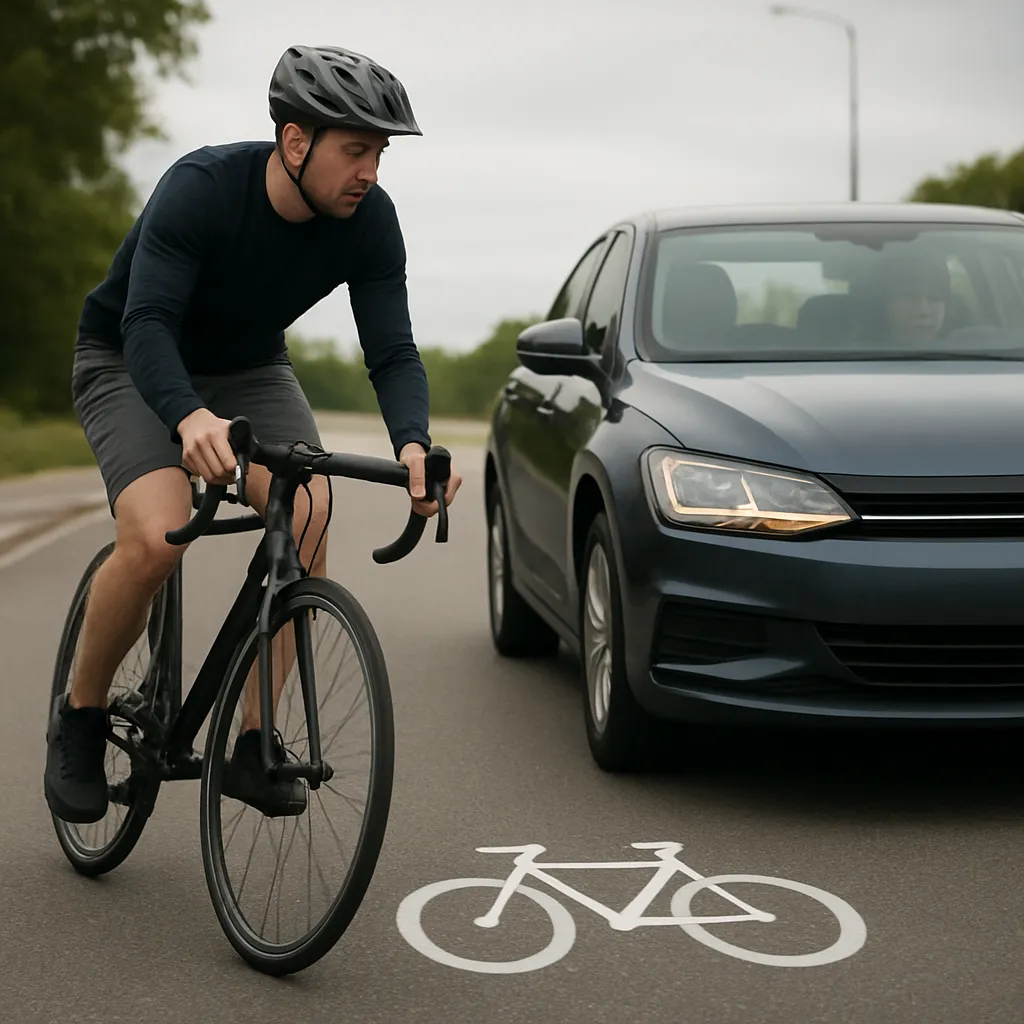
Right-of-Way and Lane Positioning
- In some cities, bicycles are treated as motor vehicles and must use the same lanes.
- Other areas allow riding on sidewalks or in dedicated bike paths, with specific yield rules.
- Failure to position correctly can confuse drivers and pedestrians, increasing collision risks.
Equipment Requirements
- Front and rear lights during low-light conditions.
- A white front reflector and red rear reflector, often mandated by law.
- Mandatory bell or horn to signal presence in crowded areas.
- In many jurisdictions, wearing a helmet is compulsory for certain age groups.
Signaling and Communication
Proper signaling communicates your intentions to other road users. Standard hand signals—left turn, right turn, and stopping—are often overlooked, leading to misunderstandings that can escalate into dangerous scenarios.
Frequent Unintentional Bicycle Violations
Even seasoned riders may slip up on routine trips. The following are the most commonly broken regulations, often committed without malice but still carrying fines or safety hazards.
Running Stop Signs and Red Lights
- Riders eager to maintain momentum sometimes roll through stop signs.
- Ignoring traffic lights is surprisingly frequent when cyclists assume they are alone on the road.
- Automated cameras increasingly catch these violations, triggering tickets sent by mail.
Wrong-Way Riding
- Traveling against the flow of traffic significantly reduces reaction time for both cyclists and drivers.
- Narrow one-way streets can tempt riders to dodge traffic, not realizing the amplified danger.
Improper Use of Sidewalks
- Many cyclists hop onto sidewalks to avoid busy streets, disregarding pedestrian priority.
- Sidewalk riding is banned or restricted in numerous municipalities, especially in business districts.
Poor Lighting and Visibility
- Riding at dusk without proper illumination or reflective gear reduces visibility to near zero.
- Defective or missing lights lead to citations in regions enforcing strict nighttime cycling rules.
Failure to Maintain Equipment
- Brake malfunctions or worn tires may be deemed negligent if inspected after a collision.
- Regulations often state that bicycles must be in good working order.
Using Headphones or Mobile Devices
- Distracted riding with earbuds can violate hands-free ordinances, leading to fines.
- Phone use for navigation without a proper mount is both illegal and unsafe in many areas.
Technological Aids and Training for Safer Riding
Advancements in technology offer tools that help riders adhere to regulations and enhance overall awareness. Leveraging these innovations reduces the likelihood of inadvertent breaches.
GPS and Route Planning Apps
- Specialized cycling apps highlight bike lanes and permissible paths in real time.
- Some platforms warn about known areas where local enforcement is strict.
Smart Lights and Turn Signals
- LED lights with integrated turn indicators ensure clear communication to motorists.
- Automatic brake lights activate under deceleration, preventing rear-end collisions.
Maintenance Reminders
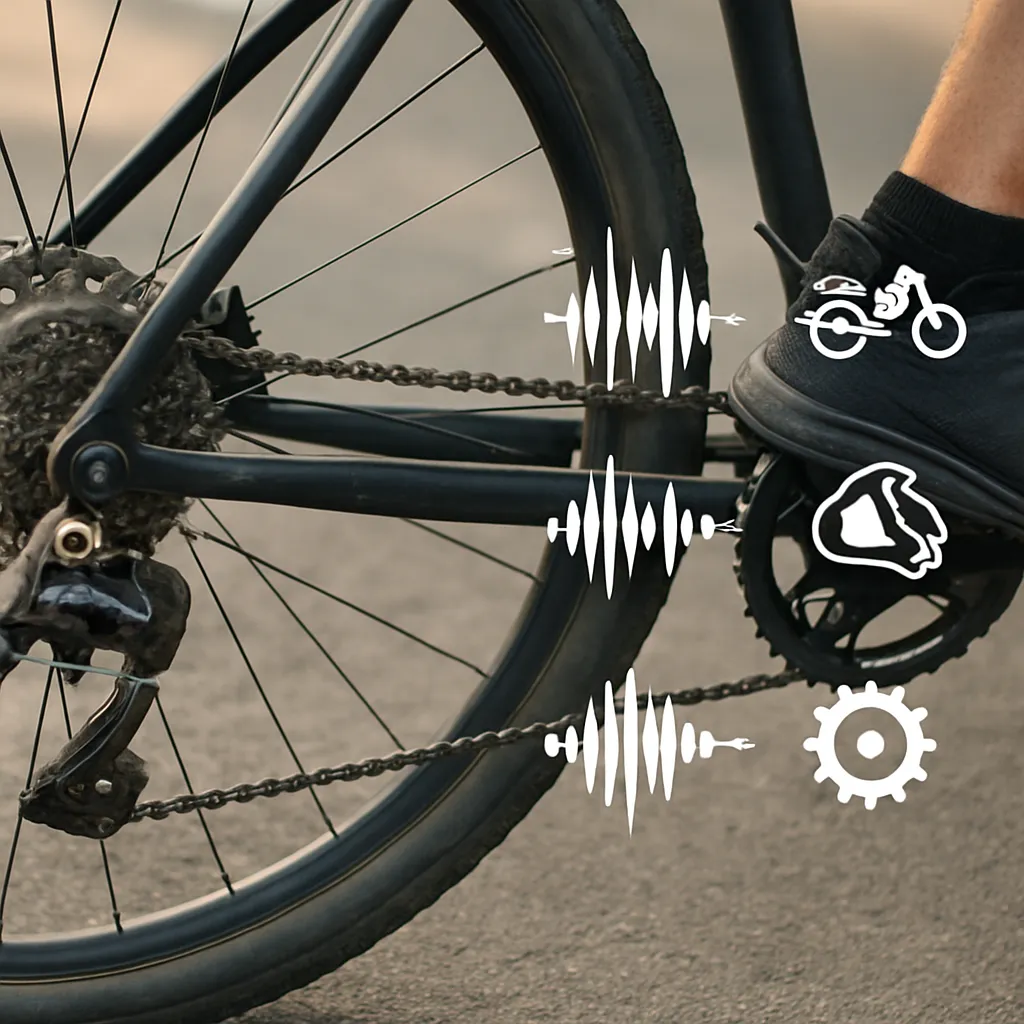
- Bluetooth-enabled sensors monitor tire pressure, brake pad wear, and chain condition.
- Alerts prompt riders to perform essential maintenance tasks before minor issues escalate.
Online Courses and Community Workshops
- Many municipalities sponsor free safety seminars covering local laws and best practices.
- Certified instructors teach proper hand signals, lane positioning, and emergency maneuvers.
Enhancing Safety Through Gear and Community Initiatives
While personal vigilance is vital, collective efforts amplify safety impacts. Local organizations and advocacy groups work tirelessly to educate riders and push for infrastructure improvements.
High-Visibility Clothing and Accessories
- Reflective jackets, ankle bands, and helmet strips dramatically improve detection by drivers.
- Brightly colored panniers or backpacks serve as moving beacons.
Group Rides and Safety Marshals
- Organized group rides often include a lead marshal to enforce pace and signal adherence.
- Riding in packs increases visibility and discourages drivers from risky overtakes.
Infrastructure Advocacy
- Community lobbying for protected bike lanes reduces conflict points with automobiles.
- Bike-friendly traffic signals and dedicated intersection markings guide riders safely through complex junctions.
Shared Responsibility
Ultimately, creating a safer cycling environment demands commitment from individuals and authorities alike. Lawmakers, city planners, drivers, and cyclists must collaborate to foster a respectful, predictable system where unintentional violations become rare.