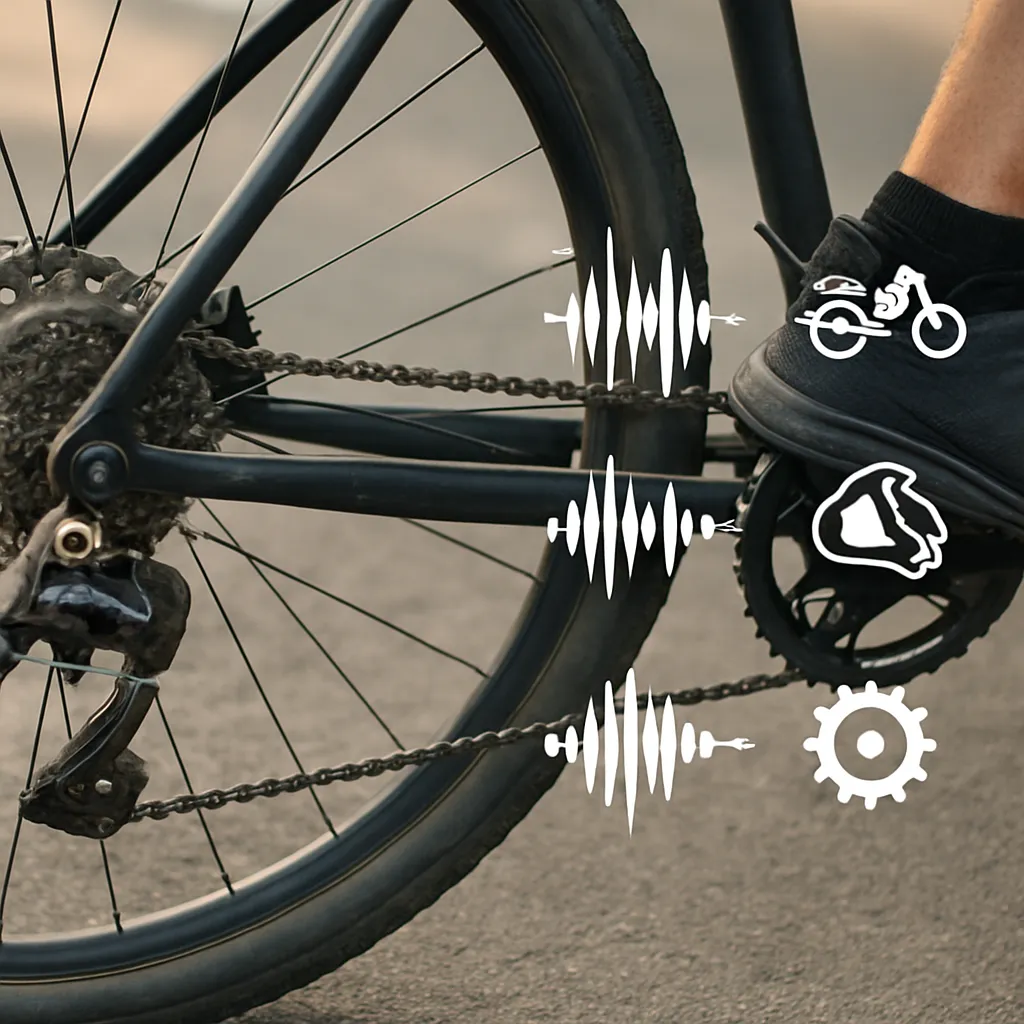
Riding a bicycle should be an experience defined by freedom, flow, and the open road. However, when an unexpected noise interrupts your ride, it can turn a smooth journey into a frustrating puzzle. Understanding the root causes of common bike sounds empowers riders to troubleshoot issues efficiently and maintain peak performance. This comprehensive guide explores the most frequent bike noises, explains what they signify, and provides practical solutions to keep your two-wheeled companion whisper-quiet and reliable.
Clicks and Ticks from the Drivetrain
One of the most prevalent sounds encountered by cyclists is the rhythmic click or tick emanating from the drivetrain. While some clicking may be harmless, persistent noises often point to specific components in need of attention.
Chain and Cassette Alignment
If you hear a sharp click each time the pedals turn, inspect the chain for wear or stiff links. A worn chain can skip across the cassette teeth, producing audible clicks. Realign the chain by:
- Cleaning and degreasing the chain with a suitable solvent.
- Lubricating each link with a high-quality chain lubrication.
- Checking for bent or damaged links and replacing the chain when chain wear exceeds recommended limits.
Freehub Body and Pawls
A faint ticking coming from the rear hub often originates from the freehub’s pawls. These small spring-loaded levers engage and disengage with the freehub body, allowing coasting without backpedaling. To address pawl-related clicking:
- Remove the rear wheel and freehub, then clean the internal mechanism.
- Apply a thin coat of light grease—avoiding heavy grease, which can inhibit pawl movement.
- Reassemble and test for smooth engagement without excessive noise.
Bottom Bracket and Pedal Interfaces
Clicks near the crank area may indicate loose crank bolts, worn bearings in the bottom bracket, or loose pedals. Follow these steps:
- Tighten crank arm bolts to the manufacturer’s torque specifications.
- Inspect bottom bracket bearings by spinning the cranks; replace if they feel gritty.
- Ensure pedals are securely threaded into the crank arms and lubricate pedal threads.
Squeaks and Creaks: Seat, Frame, and Brake Sources
Squeaky sounds can spring from multiple areas on a bike. While often less alarming than grinding noises, persistent creaks can signal emerging issues.
Saddle Rails and Seatpost
A high-pitched squeak whenever you pedal or shift position usually involves the saddle and seatpost junction. To eliminate this annoyance:
- Remove the saddle and seatpost, then thoroughly clean both surfaces.
- Apply a thin layer of carbon assembly paste (for carbon seatposts) or grease (for aluminum posts).
- Reinstall the saddle and seatpost, ensuring proper torque on the seatpost clamp.
Frame Joints and Bolted Connections
Modern frames may combine materials like carbon, aluminum, and titanium. Differential expansion and minor movements can cause creaking at junctions and cable stops. Address frame creaks by:
- Checking and tightening all external bolts (bottle cage, cable guides, fender mounts).
- Applying a few drops of light grease between mating surfaces when accessible.
Brake Pads and Caliper Mounts
Squeaks during braking often stem from glazing on brake pad surfaces or loose brakes. Remedy brake noises through:
- Removing pads and lightly sanding them to remove glazing.
- Cleaning rotor or rim braking surfaces with isopropyl alcohol.
- Tightening caliper mounting bolts and ensuring pad alignment with the rim or rotor.
Grinding and Rubbing Sounds: Wheel and Hub Issues
Grinding, rubbing, or continuous friction sounds require prompt attention, as they can endanger safety and accelerate component wear.
Wheel Bearings and Hub Service
A deep grinding noise that intensifies at higher speeds often indicates failing hub bearings. Address this by:
- Removing the wheel and disassembling the hub according to manufacturer instructions.
- Cleaning old grease and contaminants from bearing races and cones.
- Inspecting bearings for pitting or rough spots; replace if necessary.
- Repacking with fresh grease and correctly adjusting bearing preload to eliminate play without binding.
Rim and Spoke Interference
Rubbing or clicking from the wheel can also arise when spokes are improperly tensioned or when the rim is out of true. Key steps include:
- Visually inspecting the rim for wobbles or dents.
- Using a truing stand or the brake caliper as a guide to adjust spoke tension evenly.
- Listening for consistent spoke tension “ping” by plucking each spoke; replace damaged spokes promptly.
Disc Brake Rotor Contact
On bikes equipped with disc brakes, a subtle but constant rubbing may signal rotor deformation or caliper misalignment. Correct rotor rub by:
- Spinning the wheel and observing rotor clearance at each caliper pad.
- Loosening the caliper mounting bolts, centering the caliper over the rotor, then retightening bolts alternately.
- Sanding or gently bending a slightly warped rotor back into alignment when needed.
Preventive Maintenance: Tools and Techniques to Silence Your Ride
Routine care and timely adjustments are the best defense against bothersome noise. A well-equipped home workshop and a consistent maintenance schedule ensure lasting performance and quiet operation.
Essential Tools and Supplies
- Torque wrench for precise adjustment of bolts and fasteners.
- Chain cleaning kit and dedicated brushes for drivetrain maintenance.
- High-quality degreaser, brushes, and rags for thorough cleaning.
- Assorted lubricants: chain oil, grease for bearings, carbon assembly paste, and anti-seize compounds.
- Spoke wrench and truing stand for wheel alignment.
Routine Checklist
- Weekly: Wipe down the bike, check tire pressure, and quickly inspect for loose bolts.
- Monthly: Clean and lubricate the chain, inspect brake pads, and adjust shifting if necessary.
- Quarterly: Service hubs and bottom bracket, true wheels, and perform a full bolt-torque audit.
When to Seek Professional Help
While many bicycle noises can be addressed at home, complex issues—such as intricate hub overhauls, internal gear hub repairs, or carbon frame crack diagnosis—are best handled by a qualified bike mechanic. Regular shop visits ensure that your ride remains safe, efficient, and satisfyingly silent.