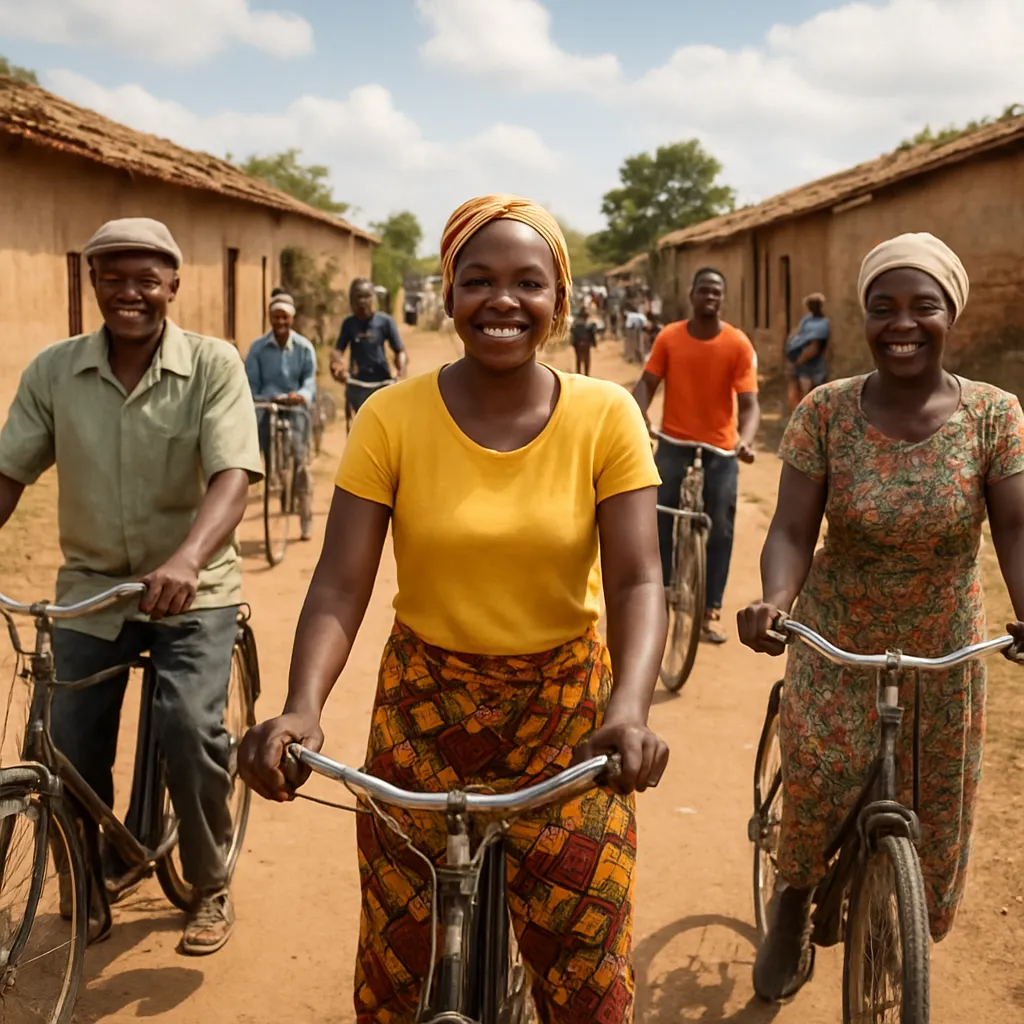
Across continents and cultures, the humble bicycle has evolved into a powerful symbol of freedom, mobility, and resilience. From bustling urban centers to remote rural villages, cycling initiatives have sparked remarkable transformations in health, economy, and social equity. This article explores the multifaceted ways in which bicycles empower communities around the world, revealing how two wheels can drive lasting change.
Societal Connections and Personal Empowerment
Cycling fosters community connections by creating shared spaces and collective experiences. Whether through group rides, local repair workshops, or neighborhood advocacy, bicycles bring people together to collaborate on projects that matter.
- Inclusivity in Action: Cycling clubs and nonprofit groups often focus on engaging underrepresented populations, including women, youth, and refugees. These initiatives build confidence and leadership skills while promoting healthy lifestyles.
- Skill Development: Learning to repair and maintain a bike teaches practical mechanical skills and problem-solving. Repair cafes and pop-up workshops operate in urban plazas and rural schools, equipping participants with valuable expertise.
- Social Events: Community bike festivals, critical mass rides, and charity tours generate a festive atmosphere that strengthens neighborhood bonds. These events often feature live music, food stalls, and bike-themed art exhibits, turning streets into vibrant communal hubs.
Breaking Barriers
For many, the bicycle offers an alternative to restrictive norms. In regions where women face mobility constraints, cycling can be revolutionary. Female riders challenge stereotypes, asserting their right to move freely and safely. Such efforts have inspired policy changes, including the development of women-only cycling groups and designated training programs.
Economic Growth and Environmental Stewardship
Bicycles deliver significant economic advantages at individual and community levels. They reduce transportation costs, boost microbusinesses, and stimulate local markets.
- Cost-Effectiveness: A well-maintained bicycle can last for years at a fraction of the cost of motor vehicles. For low-income families, this affordability translates into extra income for essentials like food, education, and healthcare.
- Microenterprise Opportunities: Bike taxi services, courier jobs, and mobile repair shops generate income for entrepreneurs. In dense urban areas, cycle rickshaws and electric-assist bikes enable quick, eco-friendly deliveries that support local commerce.
- Tourism and Culture: Regions investing in cycling tourism see elevated visitor numbers. Scenic bike trails, guided night rides, and heritage circuits bring travelers to small towns, bolstering hospitality and artisanal sectors.
Sustainable Impact
Every pedal stroke produces zero tailpipe emissions, creating a clean alternative to cars and motorcycles. In cities like Copenhagen and Bogotá, large-scale bike-sharing systems and protected lanes help decrease air pollution and traffic congestion. Such measures contribute to global efforts against climate change, promoting a healthier planet.
Innovations in Infrastructure and Policy
Building the right infrastructure and enacting supportive policies are crucial for maximizing the benefits of cycling. Governments, NGOs, and grassroots organizations collaborate to design safe, accessible networks that cater to diverse populations.
- Protected Bike Lanes: Separated lanes with physical barriers improve safety for riders of all ages. Many municipalities retrofit car lanes to prioritize bikes, demonstrating that creative urban planning can transform cityscapes.
- Bike-Sharing Programs: App-based systems provide affordable, short-term access to bicycles, reducing reliance on personal vehicles. Subsidized memberships ensure that low-income residents can join at minimal cost.
- Education and Advocacy: Traffic-calming measures, public service campaigns, and school programs teach road safety and cycling etiquette. Empowered with knowledge, riders and drivers coexist more harmoniously.
In addition, technological advancements such as GPS-enabled navigation, solar-powered charging stations, and lightweight composite frames are redefining what bicycles can achieve. These innovations not only enhance the riding experience but also invite a new generation of engineers and environmentalists to join the cycling revolution.
Health, Equity, and Future Horizons
Regular cycling leads to improved cardiovascular fitness, reduced obesity rates, and enhanced mental well-being. Community health initiatives often incorporate cycling clubs into rehabilitation programs and school curricula, emphasizing active lifestyles from an early age.
- Health Equity: In areas lacking adequate healthcare infrastructure, mobile bike clinics deliver essential services, from vaccinations to dental checkups. These clinics ride into underserved neighborhoods, bridging gaps in public health.
- Gender Equity: Empowering girls and women through cycling not only improves physical health but also opens doors to education and employment. Scholarships and mentorship programs support female leaders in cycling advocacy and industry.
- Long-Term Vision: Urban planners now envision “complete streets” where bicycles, pedestrians, and public transit share space in harmony. These integrated systems reflect a commitment to equity and resilience, ensuring that communities remain adaptive in the face of global challenges.
As municipalities and nonprofits continue to invest in cycling infrastructure and educational outreach, the ripple effects of these initiatives will shape the next generation of sustainable, inclusive communities. The bicycle remains an enduring icon of innovation and collaboration, reminding us that simple tools can unlock extraordinary potential.