Bicycles have become an integral part of urban life, offering an eco-friendly alternative to motorized transport and promoting personal health. Maintaining a bike not only extends its lifespan but also ensures a comfortable ride and optimal performance. This guide dives into essential knowledge and hands-on tips for every cyclist looking to keep their two-wheeler in top shape.
Urban Bike Essentials
Types of Urban Bicycles
- City Bikes: Designed for daily commuting, with upright handlebars and comfortable seating.
- Single-Speed and Fixies: Minimalist gear systems make these models lightweight and easy to maintain.
- Hybrid Bikes: Blend of road and mountain features, offering versatility on pavement and light trails.
- Folding Bikes: Compact, portable, ideal for mixed-mode travel involving trains or buses.
Key Components to Understand
- Frame Material: Steel for durability, aluminum for lightweight rides, carbon fiber for high-end performance.
- Wheels and Tires: Urban cyclists often prefer slick or semi-slick tires for low rolling resistance and puncture protection.
- Drivetrain: Includes the chain, cassette, derailleurs, and crankset. Proper adjustment ensures smooth shifting.
- Braking System: Rim brakes are simple and light, while disc brakes offer superior stopping safety in wet conditions.
Routine Maintenance Tasks
Cleaning and Inspection
Regular cleaning prevents grime buildup that can reduce efficiency and accelerate wear. Follow these steps:
- Rinse the frame gently with water to remove loose dirt.
- Use a mild bike-specific cleaner and a soft brush to scrub components.
- Dry the bike thoroughly to prevent rust.
- Inspect for cracks, dents, and loose bolts on the frame and fork.
Lubrication and Chain Care
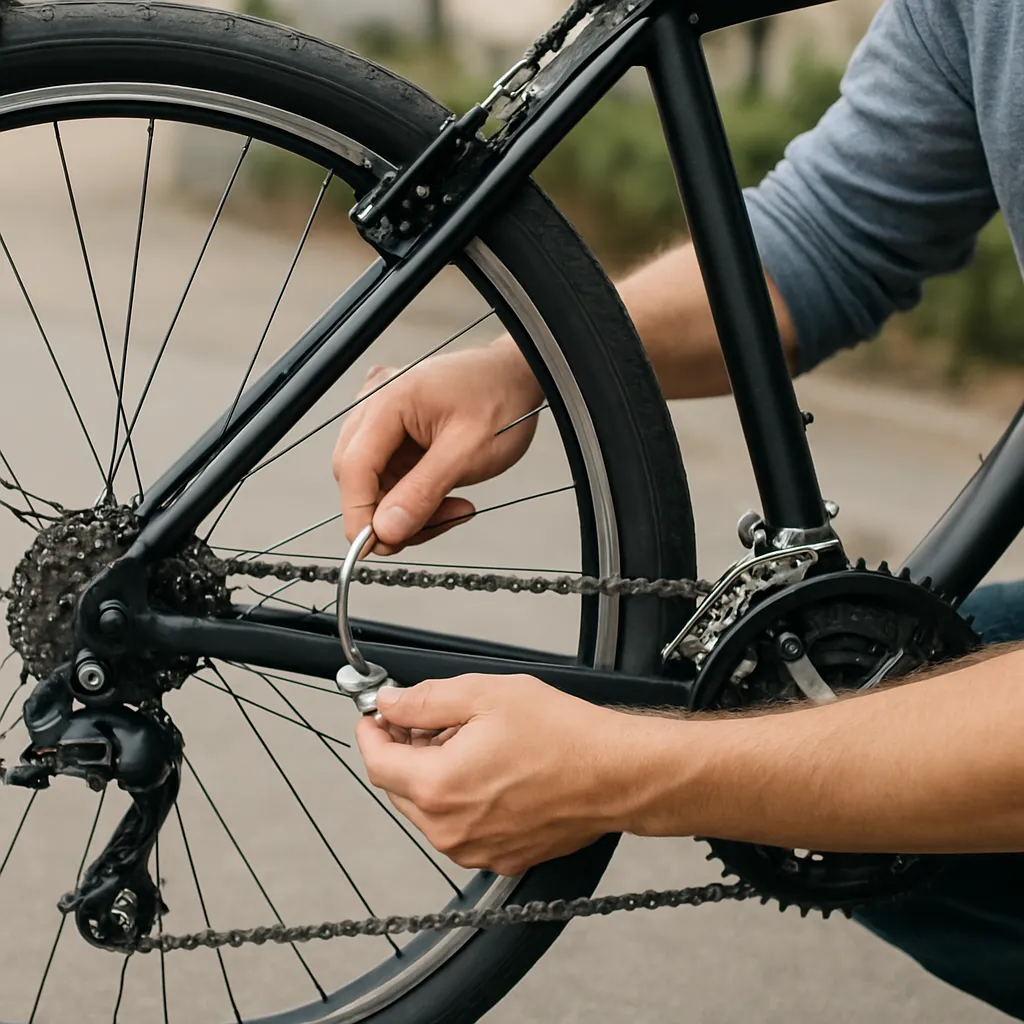
A well-lubricated chain reduces friction and noise. Proper lubrication also prevents rust and extends chain life.
- Choose a lubricant suited to urban conditions (wet lube for rainy climates, dry lube for dusty roads).
- Apply a drop of lube to each link while rotating the cranks backward.
- Wipe off excess oil with a clean rag; too much attracts dirt.
- Clean the chain monthly using a degreaser or chain-cleaning tool.
Tire Pressure and Wear
Proper tire pressure improves handling and reduces the risk of punctures. Low pressure strains the tire beads and rims.
- Check tire pressure before every ride using a reliable gauge.
- Inflate to the manufacturer’s recommended PSI range, printed on the tire sidewall.
- Inspect tread for cuts, embedded debris, or excessive wear.
- Replace tires when the rubber becomes hard or the tread pattern fades.
Brake Adjustment and Pad Replacement
Brakes are critical for your safety. Ensure they engage smoothly and evenly.
- Check brake lever feel: it should engage well before hitting the handlebar.
- Align the pads so they contact the rim’s braking surface evenly.
- Replace brake pads when grooves are worn down or performance diminishes.
- Tighten or replace cables if they feel sluggish or frayed.
Advanced Repair Techniques
Fixing a Flat Tire
Punctures are common. Knowing how to repair a flat can save time and money.
- Remove the wheel and deflate the tube completely.
- Use tire levers to pry one bead of the tire off the rim.
- Inspect the tube for the puncture location by submerging or listening for air bubbles.
- Patch or replace the tube, then reseat the tire bead and inflate.
Wheel Truing
A wobbly wheel impacts ride comfort and performance. Truing realigns the rim so it spins straight.
- Mount the wheel in a truing stand or bicycle frame with the brake engaged as a guide.
- Identify the high and low spots by spinning the wheel slowly.
- Tighten spokes on the low side and loosen spokes on the high side, making small adjustments.
- Ensure even tension across spokes to maintain rim integrity.
Adjusting Derailleurs
Precise derailleur adjustment results in clean gear changes and reduces wear on your drivetrain.
- Shift to the smallest chainring and largest rear cog.
- Set the limit screws (H and L) to prevent the chain from overshooting the cogs.
- Adjust cable tension via the barrel adjuster until shifting is crisp.
- Test shifts across the entire range and readjust as needed.
Safety and Accessories
Lighting and Visibility
Urban riding often involves low-light conditions. High-quality lights and reflectors are essential.
- Install a bright front light with wide beam coverage.
- Use a flashing rear light to catch drivers’ attention.
- Attach reflective tape or spoke lights for added side visibility.
Locks and Security
Theft risk is high in cities. Invest in reliable locking solutions.
- U-locks or D-locks provide strong resistance to cutting and leverage attacks.
- Combine with a cable lock for securing wheels or accessories.
- Lock the frame and both wheels to a fixed object whenever possible.
- Record your bike’s serial number and consider GPS trackers for high-value models.
Comfort and Ergonomics
Adjusting your bike to fit your body reduces fatigue and enhances control.
- Set saddle height so your knee has a slight bend at the bottom of the pedal stroke.
- Adjust handlebar height and angle to maintain a natural wrist position.
- Choose ergonomic grips, saddles, and pedals to minimize discomfort on longer rides.
- Consider suspension seatposts or forks for smoother commutes over rough pavement.
Building a Preventive Mindset
Frequent, small checks can prevent major breakdowns. Develop a habit of quickly running through a checklist before each ride:
- Quick brake lever test.
- Visual tire inspection.
- Chain lubrication check.
- Secure attachments (bags, racks, fenders).
Arming yourself with the right tools, knowledge, and routine practices not only keeps your bike rolling smoothly but also enhances your enjoyment and efficiency as a cyclist. Mastering both basic and advanced techniques ensures that your urban bike remains reliable and ready for any adventure the city streets throw at you.