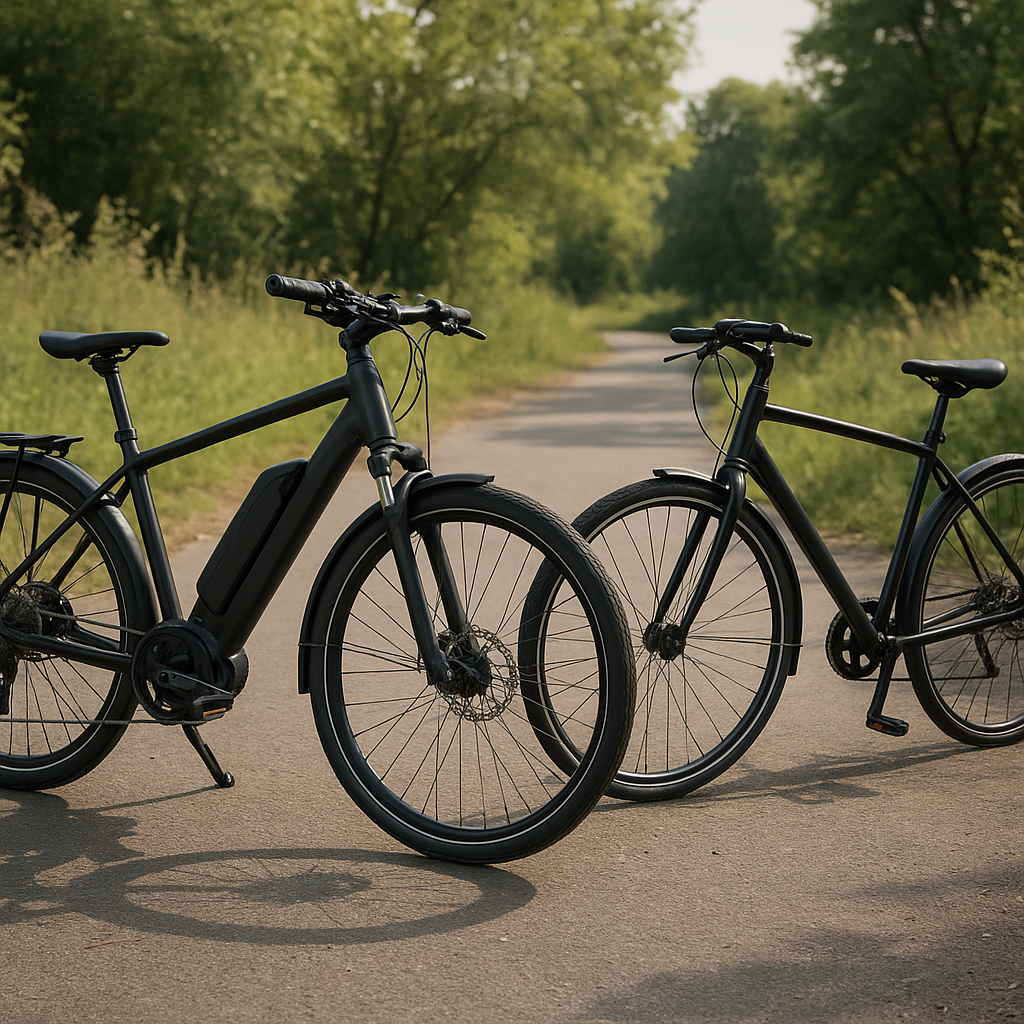
Cycling has evolved into a diverse world of two-wheeled transportation, offering options to suit different lifestyles, budgets, and personal goals. As interest surges in alternative travel modes, the choice between e-bikes and traditional bicycles demands careful examination. This exploration will guide you through features, benefits, and considerations, empowering you to decide which ride aligns with your aspirations and daily routines.
E-Bikes and Traditional Bikes Compared
Fundamental Differences
At its core, a traditional bicycle relies solely on human power. Riders pedal to generate momentum, developing cardiovascular strength and muscular endurance. In contrast, an e-bike integrates an electric motor and battery, offering pedal-assist or throttle-only modes. This combination reduces the physical effort required, making steep hills and lengthy commutes more accessible.
Components and Build
While both bike types share frames, handlebars, and gears, the presence of an electric drivetrain introduces unique components on e-bikes:
- Motor: Centered in the hub or mid-drive system, converting electrical energy into rotational force.
- Battery: Mounted on the downtube or rear rack, dictating range and weight distribution.
- Controller: Interfaces with sensors to moderate power output based on rider input.
- Display Unit: Provides real-time data on performance, speed, and battery level.
Traditional bikes often benefit from lighter frames and simplified mechanics, leading to reduced maintenance concerns and overall mass. Conversely, e-bikes demand occasional battery checks and electrical diagnostics but reward with reduced pedaling strain.
Cost Considerations
Initial investment differs markedly. Entry-level traditional bicycles can cost under $300, while quality commuter or mountain bikes range from $500 to over $2,000. E-bikes typically start around $1,200 for basic models and scale up to $5,000 or more for high-performance machines. Additional expenses for e-bikes include:
- Battery replacement after several years of use
- Potential software updates or sensor calibrations
- Heavier storage solutions and secure locking mechanisms
However, the long-term savings on public transit passes or fuel might offset the higher upfront cost of electric models.
Health Benefits and Environmental Impact
Influence on Physical Fitness
Traditional cycling is renowned for its cardiovascular and muscular advantages. A sustained ride at moderate intensity can burn 400–600 calories per hour, strengthening the heart and improving lung capacity. Meanwhile, e-bikes offer variable assistance levels, enabling riders to:
- Extend trip distances without excessive fatigue
- Gradually build stamina by adjusting electric support
- Introduce less experienced cyclists to regular physical activity
Studies suggest that e-bike users still achieve moderate exercise thresholds. The motor assistance reduces perceived exertion, encouraging more frequent rides and consistent health gains.
Ecological Footprint
Cycling—regardless of drive type—remains a low-emission alternative to cars. However, nuances exist:
- Traditional bicycles produce nearly zero emissions during operation, requiring only occasional lubrication and minor repairs.
- E-bikes involve battery production and disposal considerations, with lithium-ion cells contributing to electronic waste if not recycled responsibly.
- The energy source for charging matters: renewable electricity further reduces an e-bike’s environmental impact.
Ultimately, replacing a car commute with either bike type yields significant carbon savings. The choice hinges on balancing raw emission reduction with practical use cases.
Mental Well-Being
Regular cycling—traditional or electric—supports mental health by releasing endorphins, reducing stress, and enhancing cognitive focus. E-bikes may further lower anxiety associated with challenging inclines or heavy traffic, offering a smoother, more accessible introduction to outdoor exercise for newcomers.
Selecting the Right Bicycle for Your Needs
Identifying Your Primary Purpose
Before investing, reflect on daily habits and intended applications:
- Commuting: Consider e-bikes for longer distances, hillier routes, or if you need to arrive sweat-free.
- Recreational Riding: Traditional bicycles might suffice for leisurely park loops or weekend trail adventures.
- Fitness Goals: Serious training often favors traditional bikes to maximize effort and calorie burn.
- Errands and Cargo: E-bikes with sturdy racks can haul groceries or small cargo effortlessly.
Assessing Terrain and Distance
Analyze route characteristics:
- Flat Terrain: Traditional bicycles excel with minimal resistance.
- Variable Elevation: E-bikes make steep climbs manageable.
- Long Distances: Electric assistance can prevent mid-ride exhaustion, encouraging extended exploration.
For mixed urban and rural pathways, a versatile electric-assist model might unlock new commuter corridors.
Maintenance and Service
Maintenance demands differ:
- Traditional Bikes: Simple tune-ups, brake adjustments, chain lubrication, and occasional tire replacements.
- E-Bikes: All the above plus battery care, motor inspections, and periodic software checks.
Ensure local bike shops support your chosen type. Warranties and after-sales service can influence long-term satisfaction and reliability.
Budget and Total Cost of Ownership
Beyond purchase price, account for:
- Protective gear: helmet, lights, and reflective clothing
- Secure storage or locking solutions
- Regular maintenance or annual service plans
- Insurance or registration fees (where applicable for e-bikes)
Savings in fuel, parking, and public transit often offset these outlays over time, delivering excellent value and sustainability.
Test Rides and Final Decision
Nothing replaces firsthand experience. Visit reputable dealers to compare:
- Frame geometry and rider comfort
- Pedal responsiveness and torque feel
- Display interface simplicity and clarity
- Noise level of motor and ride smoothness
Pay attention to ergonomics and how the bike aligns with your personal style. A well-chosen cycle—electric or conventional—can revolutionize daily routines and open up new horizons of adventure.