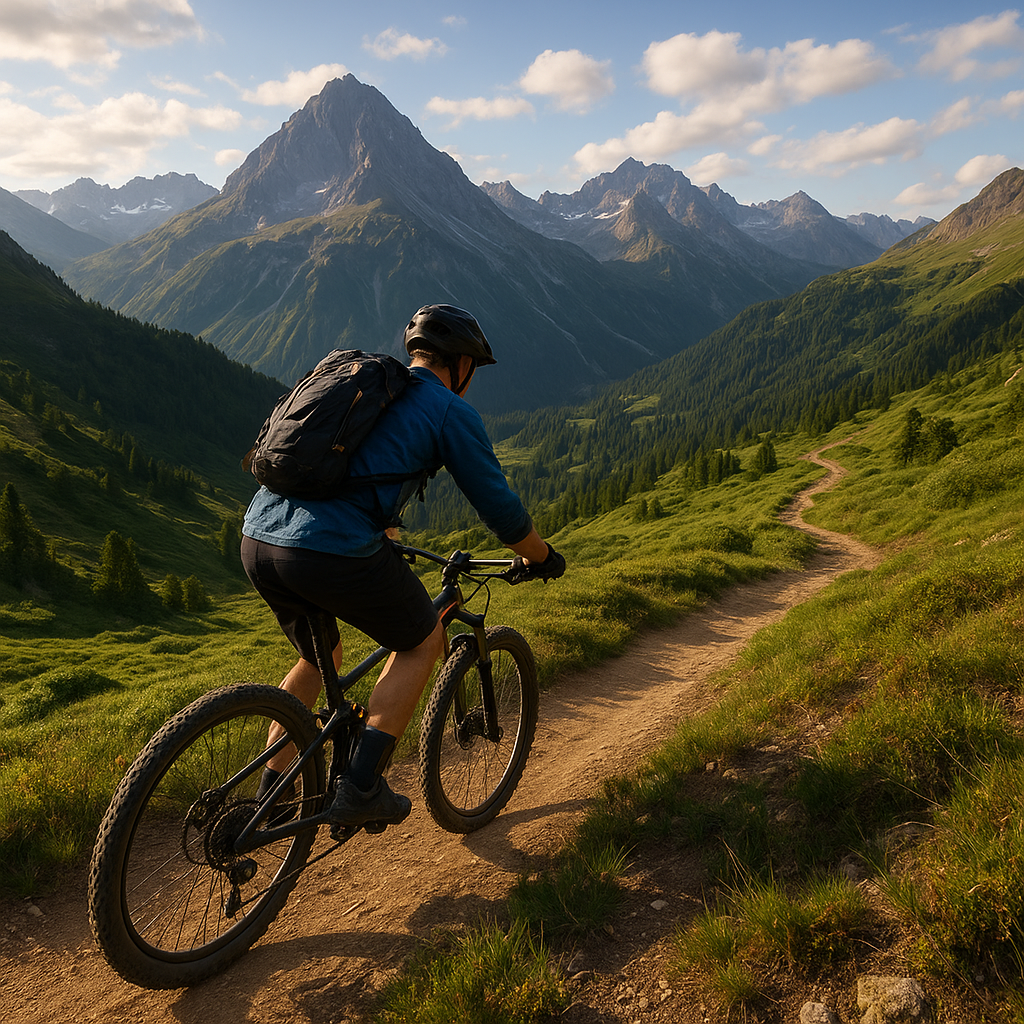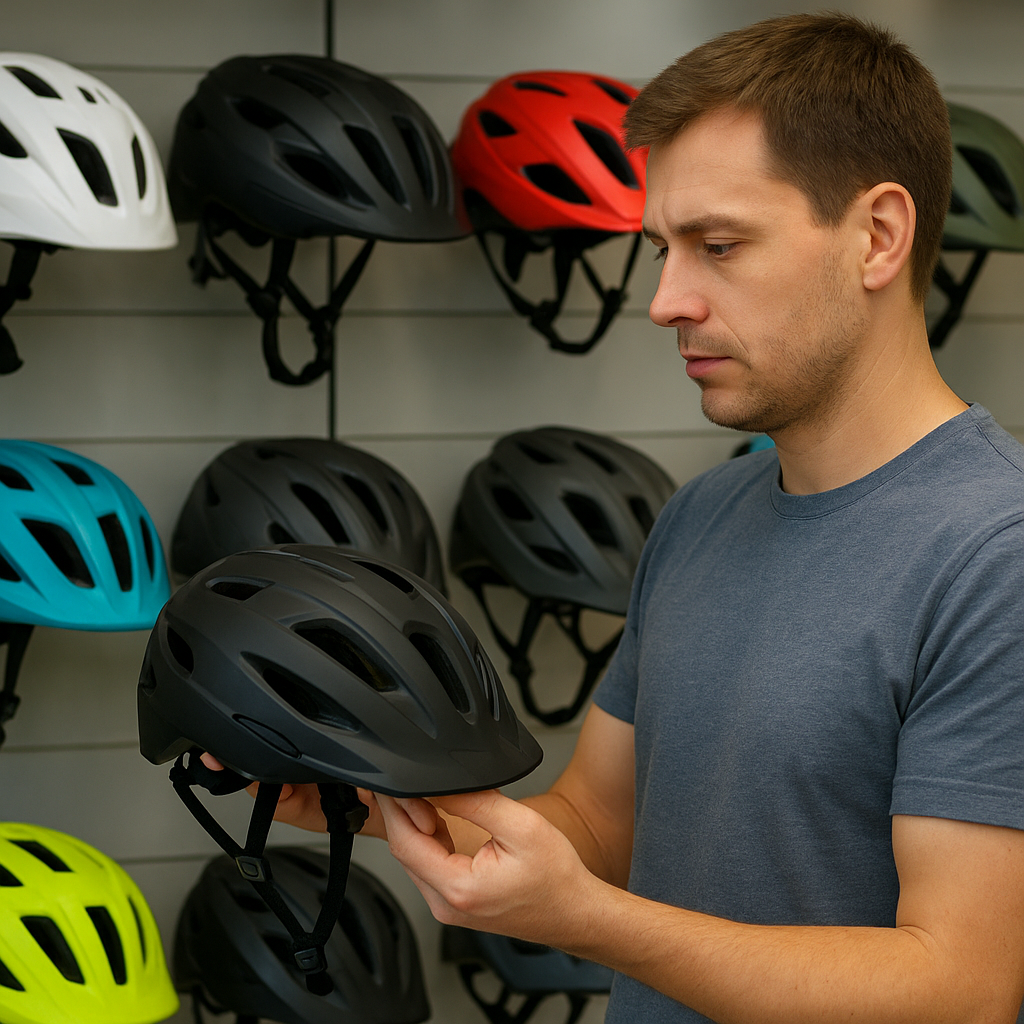
Selecting the right helmet is a critical step for every cyclist who values both protection and performance. Whether you’re tackling steep climbs, cruising on urban streets, or exploring off-road trails, a well-chosen helmet can elevate your ride. This guide explores a wide range of helmet options, key design features, fitting techniques, and maintenance tips to help you discover the best choice tailored to your personal needs.
Variety of Helmet Styles
Road Bike Helmets
Designed with aerodynamics and lightness in mind, road bike helmets often feature a sleek profile and generous ventilation systems. If you clock long miles on paved roads, these helmets offer minimal drag and maximum airflow. Key characteristics include:
- Streamlined shell to reduce wind resistance
- High-density EPS foam for safety in impacts
- Multiple vents (sometimes 20+) to keep you cool
Mountain Bike Helmets
Mountain helmets prioritize coverage and durability over pure speed. They often extend lower at the back of the head and include visors to shield your eyes from branches and debris. Key features:
- Reinforced shell edges for rock and root protection
- Removable visor for better visibility
- Advanced impact technologies like MIPS or WaveCel
Urban and Commuter Helmets
If you navigate city streets daily, look for helmets that blend style with functional safety. These models typically have simpler vent layouts, reflective accents, and integrated lights or mounts for added visibility:
- Compact, rounded shape for full coverage
- Enhanced visibility features such as reflective strips
- Optional accessories like rear lights or camera mounts
Full-Face Helmets
Employed by downhill riders and BMX enthusiasts, full-face helmets deliver maximum protection, wrapping around the chin and jaw. They emphasize uncompromising safety at the cost of some ventilation:
- Chin bars for facial impact resistance
- Advanced multi-density foam layers
- Compatible with goggles for dust and debris management
Essential Features to Evaluate
Not all helmets are created equally. Evaluate these critical aspects to ensure your selection offers the optimal balance of comfort and protection:
- Certifications: Always check for recognized safety standards like CPSC (USA), EN 1078 (EU), or AS/NZS 2063 (Australia/New Zealand). A valid stamp proves rigorous impact testing.
- Fit System: Modern helmets use dial-adjust systems for precise adjustability. A snug fit prevents movement during an accident.
- Materials: Lightweight polycarbonate shells paired with EPS or EPP foam offer the best compromise between weight, cost, and impact absorption.
- Ventilation: Vent channels and exhaust ports keep heat at bay. More vents usually mean better airflow, but too many can weaken structural integrity.
- Weight: Heavier helmets can cause neck fatigue over long rides. Aim for under 300 grams for road use and under 350 grams for off-road.
- Visor Options: Removable visors on mountain and urban models protect against sun glare and branches. Consider adjustable or detachable designs.
- Retention Straps: Look for smooth, soft straps that won’t chafe your skin. A quick-release buckle helps during emergencies.
Proper Fit and Adjustment
A helmet that fails to fit correctly cannot protect you effectively. Follow these steps to achieve the perfect fit:
- Measure your head circumference at the widest point above the ears.
- Select a helmet size that matches your measurement, then use the adjustment dial to tighten the fit.
- Position the helmet level on your head – it should sit about one to two fingers above the eyebrows.
- Adjust side straps into a “Y” shape just below the earlobes. The chin strap should feel snug but allow you to open your mouth comfortably.
- Shake your head from side to side. If the helmet moves significantly, tighten the retention system further.
Keep in mind that hair accessories like caps or ponytails can alter the fit. Test adjustments before long rides or competitive events.
Maintenance and Replacement Guidelines
Regular care ensures your helmet remains fully functional and protective over time:
- Inspect the shell and foam for cracks, dents, or compression after even minor impacts. Replace immediately if damage is found.
- Clean with mild soap and water. Avoid harsh chemicals that can degrade the foam or plastic.
- Replace the helmet every five years, or sooner if your local standards recommend it. UV exposure and temperature changes can weaken materials.
- Store your helmet in a cool, dry place away from direct sunlight and extreme heat sources.
- Regularly check buckles and straps for wear, and replace components as needed to maintain comfort and safety.
Choosing a Helmet That Fits Your Budget
Helmets range from budget-friendly to premium performance models. Balance your budget with desired features:
- Under $50: Basic coverage with minimal ventilation and simple fit systems. Suitable for casual riders.
- $50–$150: Mid-range options include better materials, improved venting, and dial-adjust technologies. Ideal for daily commuters.
- $150 and above: Top-tier helmets featuring lightweight construction, advanced impact technologies, and integrated aero designs. Perfect for serious road cyclists and racers.
Investing in a slightly higher-end helmet can pay dividends in increased comfort and long-term durability.
Additional Accessories and Upgrades
Once you’ve found a helmet that excels in safety and fit, consider these enhancements:
- Integrated LED lights for night riding
- GoPro or action camera mounts
- Anti-odor and moisture-wicking liners
- Hydrophobic pads to keep sweat off your eyes
These extras personalize your helmet to match your riding style and environment.