Choosing the right bicycle is more than a matter of style—it’s an investment in your health, freedom, and joy of exploration. A well-selected bike delivers optimal performance, enhanced comfort, and the ability to conquer any terrain you encounter. This guide will walk you through key considerations to help you select the perfect ride for your unique needs.
Understanding Popular Bike Types
Every cycling discipline demands a specific design and geometry. Identifying the category that aligns with your riding style ensures you get the best combination of speed, control, and enjoyment.
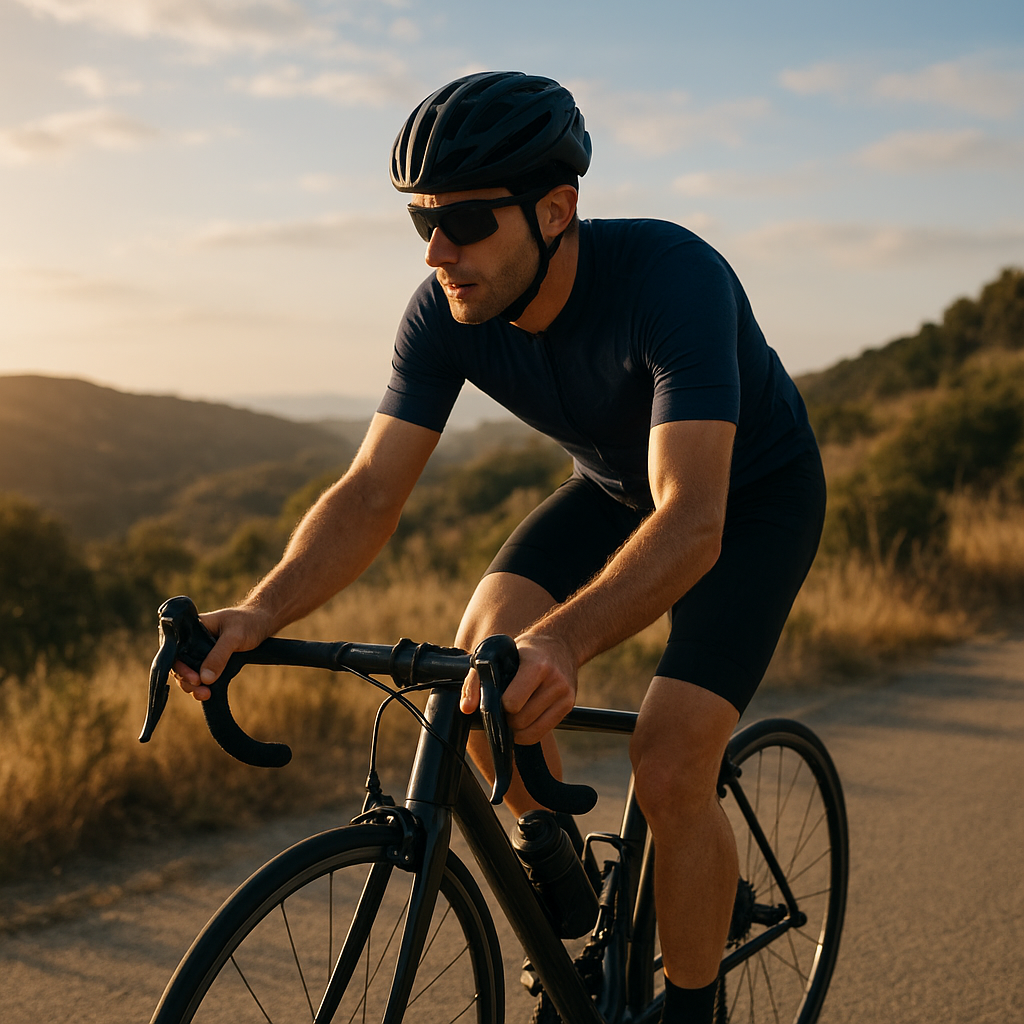
- Road Bikes: Engineered for speed on paved surfaces, road bikes feature lightweight frames, narrow tires, and drop handlebars. Ideal for fitness rides, commuting on smooth roads, and long-distance tours where performance and aerodynamics are key.
- Mountain Bikes: Built to face rough trails, these bikes come with wide, knobby tires and suspension systems. They prioritize durability and shock absorption, letting you tackle rocks, roots, and steep descents with confidence.
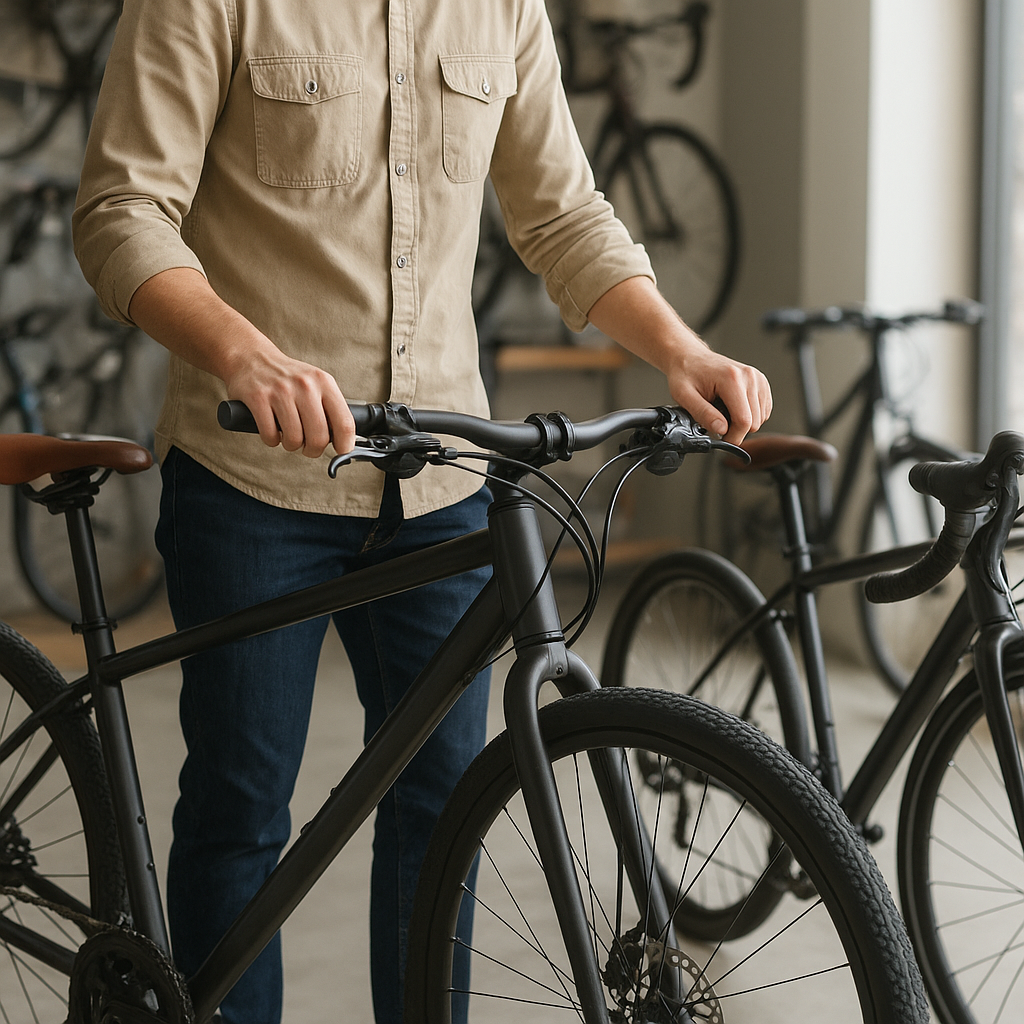
- Hybrid Bikes: Striking a balance between road and mountain styles, hybrids offer moderate tire width and an upright riding position. Their hallmark is versatility, making them perfect for casual riders, daily commutes, and light trail adventures.
- Gravel Bikes: A newer category combining road efficiency with off-road toughness. They feature relaxed geometry, clearance for wider tires, and mounts for racks—ideal for multi-day trips and mixed-surface routes.
- Electric Bikes (E-bikes): Equipped with a motor to assist pedaling, e-bikes reduce fatigue on hills and long rides. They often come in road, mountain, and commuter styles, broadening access to cycling for all fitness levels.
Assessing Your Riding Style and Goals
Before selecting a frame, consider how—and where—you’ll ride most often. Your daily routine and personal objectives will shape the ideal bike specifications.
If you seek fast weekend rides on smooth terrain, a lightweight road bike with high gear ratios is essential. Commuters facing city traffic benefit from integrated fenders, lights, and a comfortable saddle. For off-road enthusiasts, top-notch suspension and grippy tires ensure better control and safety. Aligning your choice with your goals maximizes the fun you’ll get from every pedal stroke.
Factor in riding frequency and distance. A casual rider might prioritize an affordable hybrid, whereas a serious enthusiast could invest in carbon frames and top-tier components for competitive performance.
Essential Features to Evaluate
Even within a chosen category, features can vary widely. Focusing on critical components will guide you toward a bike that feels right from the first ride.
Frame Material and Geometry
- Aluminum Frames: Lightweight, corrosion-resistant, and generally more affordable. Ideal for riders seeking a sturdy yet budget-conscious option.
- Carbon Fiber Frames: Premium choice offering the best strength-to-weight ratio. Excellent vibration damping and stiffness for serious cyclists who demand top-tier comfort and responsiveness.
- Steel Frames: Known for durability and smooth ride quality, steel frames flex slightly to absorb road buzz. A classic option for touring bikes and riders valuing longevity over minimal weight.
- Titanium Frames: Combining lightness, strength, and corrosion resistance, titanium is a luxurious investment. It provides a springy ride and stands the test of time if your budget allows.
Suspension and Comfort Features
Suspension forks and seat posts absorb bumps on rough trails. Hardtail mountain bikes offer a front fork, while full-suspension models include rear shock absorbers for extra traction and control. Cyclists tackling uneven paths should prioritize quality suspension to reduce fatigue and protect joints.
Road and hybrid riders may opt for minimal suspension but can choose wider tires or padded saddles for added ease on longer journeys.
Brakes and Stopping Power
Reliable brakes are non-negotiable for safety. Rim brakes remain common on entry-level road and hybrid bikes, but disc brakes—mechanical or hydraulic—deliver superior stopping power in wet and muddy conditions, making them the go-to for mountain, gravel, and premium commuter bikes.
Drivetrain and Gearing
Modern bikes feature 1x, 2x, or even 3x chainring setups. Single-chainring (1x) drivetrains simplify shifting and reduce maintenance, while double or triple systems offer a broader gear range for climbing steep hills. Consider your usual terrain to select gearing that prevents strained knees and keeps your cadence smooth.
Budget Planning and Cost Considerations
Setting a clear budget prevents overspending and guides you toward appropriate categories. Entry-level bikes typically start around a few hundred dollars, offering basic functionality with a durable steel or aluminum frame. Mid-range options introduce lighter materials, better drivetrains, and disc brakes. Top-tier bicycles can exceed several thousand dollars, boasting cutting-edge carbon designs, premium groupsets, and advanced customization.
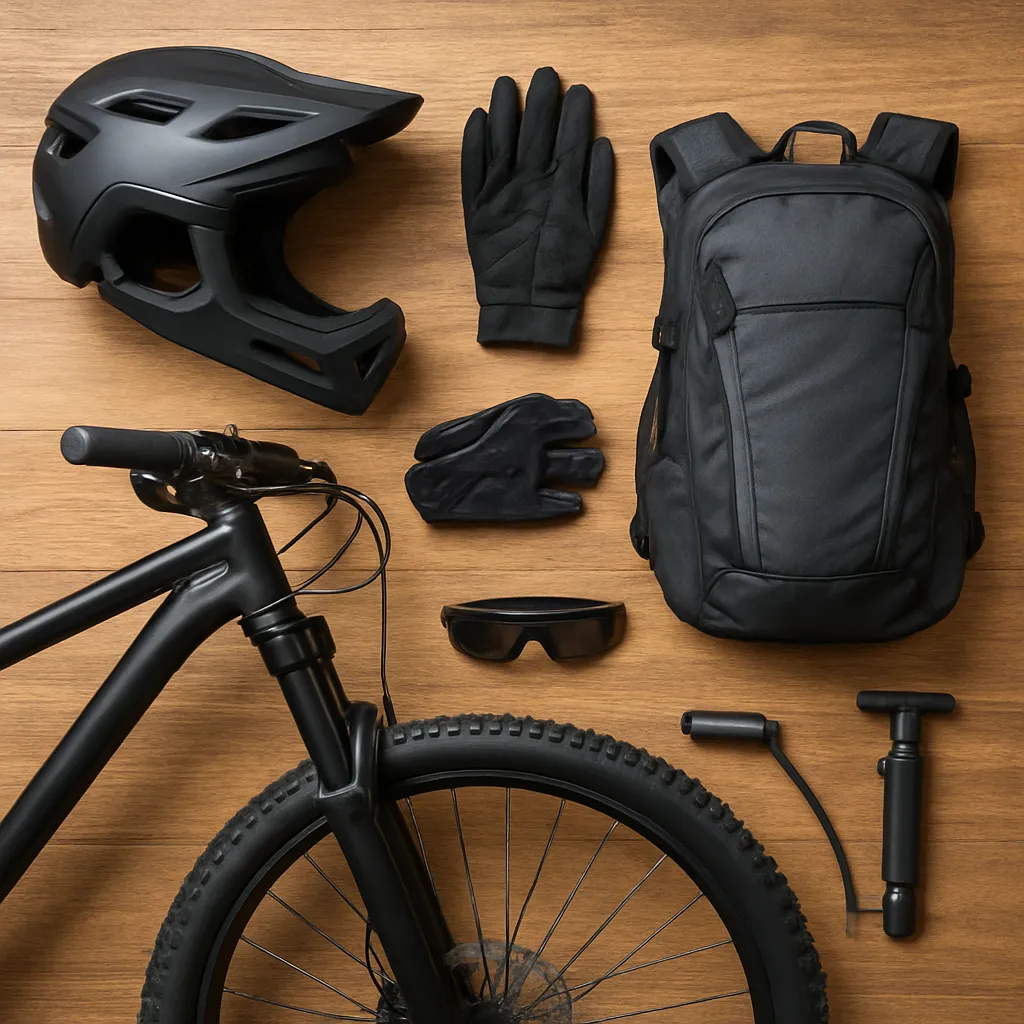
Factor in additional expenses: helmet, shoes, clipless pedals, lights, lock, and protective clothing. These accessories contribute to a safer, more comfortable cycling experience without breaking the bank.
Maintenance Tips for Longevity
A well-maintained bike retains its value and delivers consistent ride quality. Regular maintenance includes cleaning the chain, lubricating moving parts, checking tire pressure, and inspecting brake pads. Scheduling a professional tune-up at least once a year ensures all components remain aligned and safe.
Store your bicycle indoors or under cover to protect it from the elements. Replace worn parts—like tires and cables—promptly to prevent failures on the road or trail. Investing time in upkeep not only extends the lifespan of your bike but also keeps every journey enjoyable and worry-free.