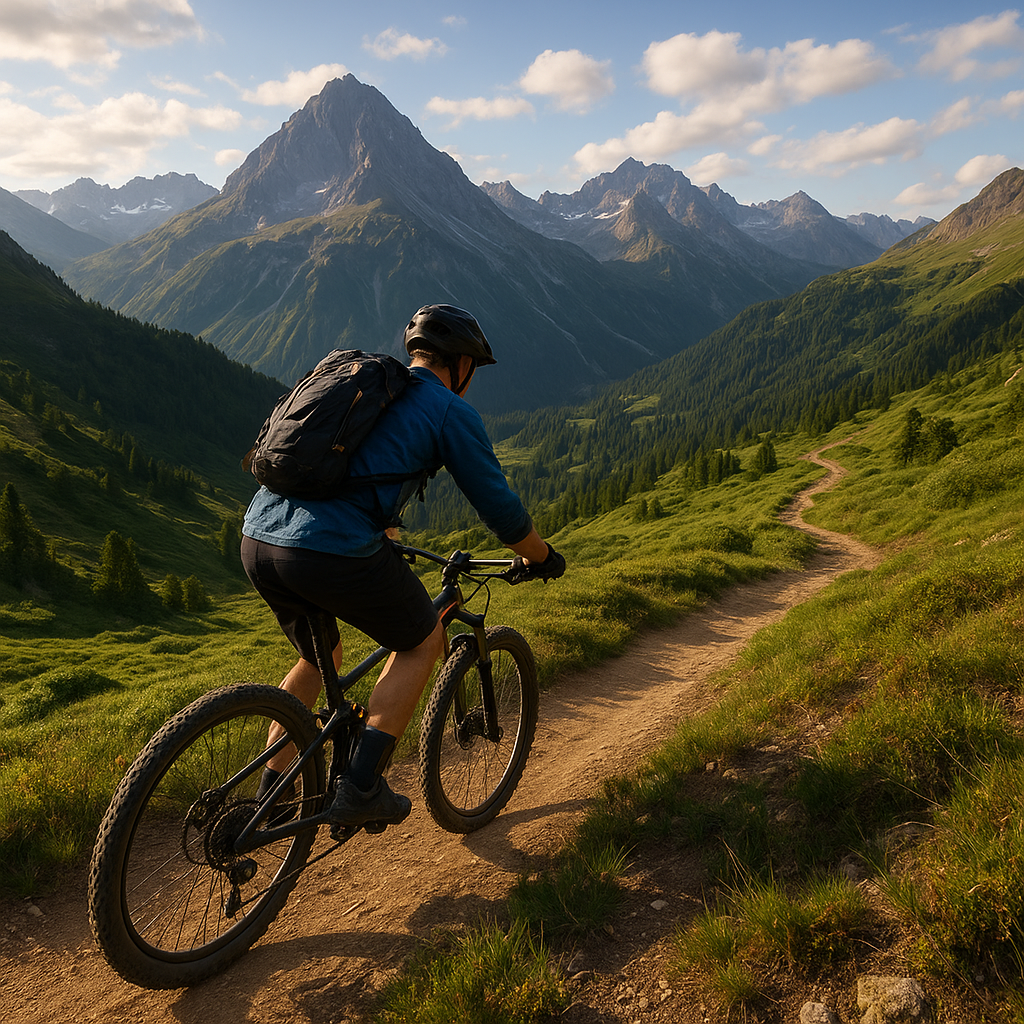
Embarking on a bikepacking adventure opens up a world of freedom, allowing riders to explore remote landscapes under their own power. Yet one of the most critical aspects of any successful trip is the ability to prepare satisfying meals on the go. Whether you’re tackling rugged mountain passes or cruising along coastal roads, learning how to cook and eat well while traveling light can transform your journey from a mere ride into a holistic outdoor experience.
Choosing the Right Bicycle and Gear
Bike Type and Frame Considerations
Not every bicycle is built for hauling cookware and food supplies over long distances. When selecting a frame, look for materials like aluminum or steel that balance weight and strength. A well-designed frame will be durable enough to withstand impacts from rocky trails and pothole-strewn byways. Many riders opt for a gravel or touring bike with mounting points for racks and bottle cages.
Panniers, Packs, and Load Distribution
- Front and rear panniers: Offer large capacity and keep weight low on the bike.
- Handlebar roll: Great for storing a compact sleeping pad or small cooking kit.
- Frame bag: Perfect for storing heavy items like fuel canisters to maintain balance.
Proper load distribution is key. Position heavier items close to the center of gravity, ensuring the bicycle remains versatile on varied terrain. A compact setup not only reduces wind resistance but also minimizes the risk of snagging gear on branches and rocks.
Essential Cooking Gear for the Trail
Stoves and Fuel Systems
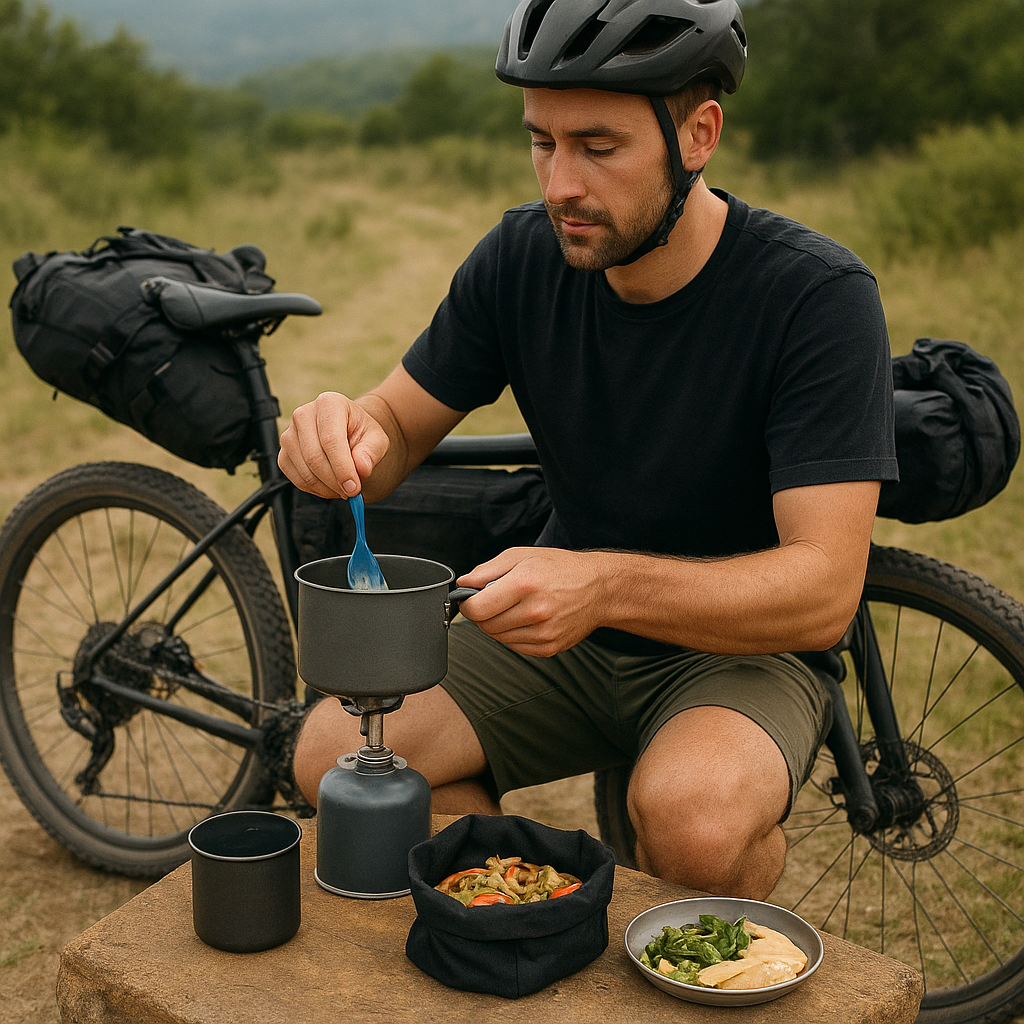
Choosing a fuel-efficient stove can greatly reduce the amount of fuel you need to carry. Canister stoves are popular for their ease of use, while liquid-fuel stoves excel in cold temperatures. Some riders even carry wood-burning microstoves that allow you to forage twigs and leaves, eliminating the need for fuel altogether.
Cookware and Utensils
- Lightweight pot: A 1–1.5 liter titanium or aluminum pot is typically sufficient.
- Collapsible cup or bowl: Saves space and can double as a mixing container.
- Multi-purpose utensil: Spork or folding fork-knife combinations reduce weight.
When selecting cookware, favor materials that are both lightweight and corrosion-resistant. A quality pot lid can trap heat and cut down on cooking times, conserving precious fuel.
Meal Planning and Nutrition Strategies
Designing a Balanced Menu
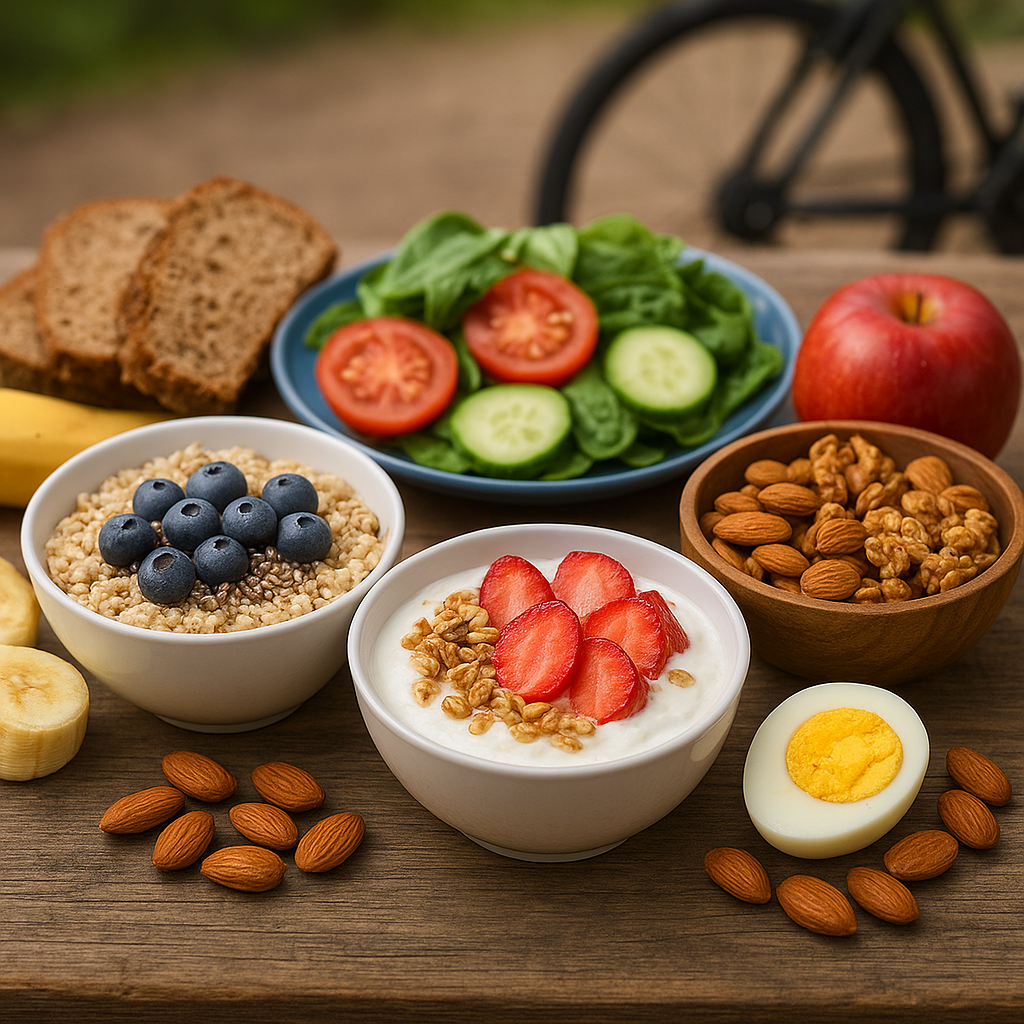
A successful menu incorporates a mix of carbohydrates, proteins, and fats to sustain energy levels over long days in the saddle. Include:
- Instant oats or granola for a quick morning boost.
- Energy bars and trail mix for on-the-go snacks.
- Dehydrated meal pouches that rehydrate in minutes.
Dehydrated foods may seem bland at first, but they pack a concentrated dose of nutrients without excess weight. Add powdered cheese, dried vegetables, and spices to elevate flavors.
Hydration and Electrolyte Balance
Staying properly hydrated is paramount, especially when you’re burning calories at high rates. Carry a water filter or purification tablets to refill from streams and lakes. Mix electrolyte powder into your water to replace lost salts, helping prevent cramps and fatigue.
Cooking Techniques and Maintenance Tips
Quick and Efficient Methods
Mastering efficient cooking techniques can save both time and energy. For instance, soaking grains or lentils in cold water the night before reduces boiling times the next morning. Using a pot cozy—an insulated wrap—helps retain heat after you turn off the stove, allowing dishes to finish cooking off the flame.
Cleaning and Gear Care
- Biodegradable soap: Minimizes environmental impact.
- Compact sponge or cloth: Cleans cookware without scratching.
- Silicone storage bags: Store leftovers and double as a makeshift bowl.
After each meal, rinse pots and utensils promptly to avoid hardened residue. Keeping your cooking area tidy not only reduces odors that attract wildlife but also prolongs the lifespan of your gear.
Safety and Environmental Responsibility
Fire Management and Leave No Trace
When camping in areas with fire restrictions, always adhere to local regulations and use a contained stove rather than an open flame. Dispose of all food scraps and packaging by packing them out or using designated bins. This balanced approach keeps wildlife safe and preserves the natural beauty of your route for future travelers.
Emergency Preparedness
- Spare stove parts: O-rings, jets, and fuel line adapters.
- Repair kit: Multi-tool, duct tape, and zip ties for on-the-fly fixes.
- First-aid supplies: Include antihistamines and blister care.
Having the right tools and knowledge can turn a potential disaster into a minor inconvenience. A small investment in repair and medical gear ensures you remain self-reliant in remote regions.