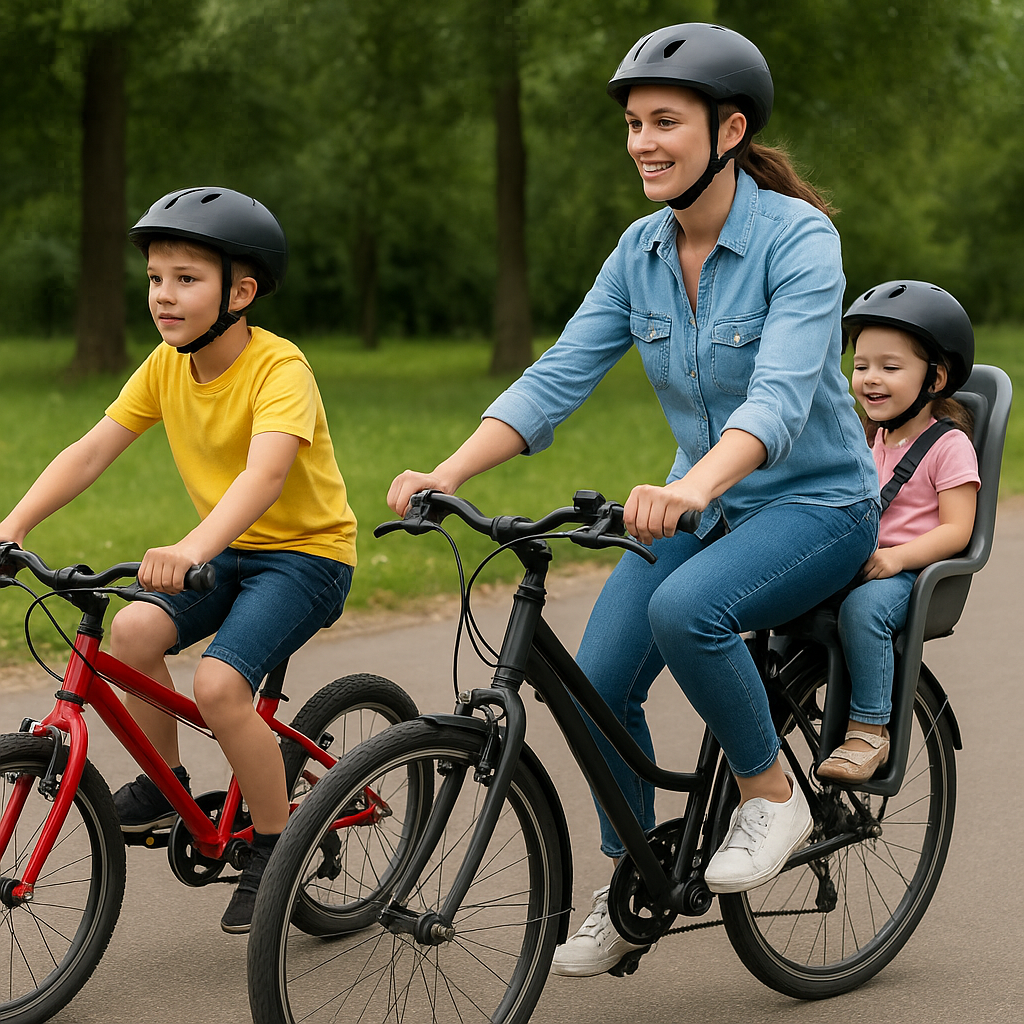
Cycling with children is a fantastic way to combine exercise, exploration, and quality family time. When done correctly, these excursions can foster a lifelong love of riding, strengthen bonds, and build childhood memories. By focusing on proper preparation, clear communication, and a few creative ideas, you can ensure every trip is both safe and full of delight.
Equipment Essentials
Choosing the Right Bike
Selecting the proper bicycle is the foundation of a successful ride. A child’s bike must match their height and leg length so they can put their feet flat on the ground when stopped. Avoid models that are too heavy; look for lightweight frames and durable tires. For toddlers, balance bikes are an excellent introduction that teaches balance before adding pedals.
Helmet and Protective Gear
No ride should start without a certified bike helmet. A well-fitted helmet sits level on the head, with straps snug under the ears. In addition, consider knee pads, elbow guards, and gloves for younger riders still mastering stability. Reinforce that protective gear isn’t a chore—it’s an essential tool for riding with safety and confidence.
Accessories for Comfort
Children can become restless without the right accessories. Padded saddles, handlebar streamers, and color-coordinated baskets add fun flair. Install a bell or horn that’s easy to reach, so kids can signal their presence to pedestrians or other cyclists. Finally, choose a water bottle cage within arm’s reach to encourage regular hydration.
Planning Your Route
Evaluating Terrain
Before setting out, scout potential paths. Start on smooth, flat trails ideal for budding cyclists. As skills improve, gradually introduce gentle hills and wider bike lanes. Apps and local trail maps help you identify family-friendly routes free from heavy traffic. By scaling difficulty step by step, children develop confidence without feeling overwhelmed.
Setting Clear Goals
Define achievable objectives: perhaps a one-mile loop around the park or a picnic destination two miles away. Clear goals provide motivation and a sense of accomplishment. Celebrate small milestones—finishing the first lap or climbing the first incline—to keep enthusiasm high.
Timing and Breaks
Time your adventures to align with your child’s energy peaks. Late mornings or early afternoons often work best after a nutritious breakfast. Plan regular rest stops every 15–20 minutes, especially for younger children who tire quickly. Use these pauses to stretch, refuel, and share encouragement, reinforcing the importance of pacing.
Riding Techniques and Safety Tips
Starting and Stopping Smoothly
Teach kids to use one foot on the ground while the other presses a pedal in the upward position. This stance ensures a stable start. When stopping, instruct them to apply brakes gently and place both feet flat on the ground. Practice in an open area until the motion feels natural, reducing the risk of sudden falls.
Hand Signals and Road Awareness
Introduce basic hand signals early: left arm straight for a left turn, right arm straight for a right turn, and left arm down for stopping. Role-play scenarios on quiet neighborhood streets or empty parking lots. Encourage children to look over their shoulder before changing direction, fostering road awareness and communication skills.
Group Riding Etiquette
When riding together, maintain a single-file formation on narrow paths and a two-abreast formation on wider trails. Keep a consistent pace so no one feels rushed. Establish a rule that anyone who slows down signals the group to pause. This teamwork approach ensures no one is left behind and everyone feels supported.
Making the Ride Fun and Engaging
Games on Wheels
Spice up the journey with simple cycling games. Count the number of red houses you pass, spot different bird species, or play “Simon Says” on wheels—“Simon says ring your bell.” These activities distract from fatigue and sharpen observational skills.
Educational Stops
Integrate learning opportunities by pausing at local landmarks or nature spots. Point out unique tree species, discuss the local history of a bridge, or watch a stream’s flow. These mini-lessons transform a routine ride into an outdoor classroom, blending physical activity with real-world education.
Snack and Hydration Rituals
A well-timed snack break can boost morale. Pack easy-to-eat options like sliced fruit, energy bars, or raisins. Use brightly colored containers to pique interest. Encourage sipping water frequently to stay hydrated, even when children don’t feel thirsty—this habit promotes healthy riding practices.
Maintenance and Troubleshooting on the Go
Quick Fixes
Carry a compact repair kit that includes a mini pump, spare tube, tire levers, and a multi-tool. Practice changing tubes at home so you can demonstrate the process confidently. When a flat tire occurs, involve the child in removing the wheel and patching the tube to teach self-sufficiency and problem-solving.
Regular Check-Ups
Before each ride, inspect tire pressure, brake function, and chain lubrication. Tighten loose bolts and ensure reflectors are clean. These pre-ride checks build a routine of maintenance and reinforce the message that a well-cared-for bike is a safer and more reliable companion.
Involving Kids in Repairs
Encourage older children to participate in basic tune-ups. Show them how to clean and oil the chain, adjust the seat height, or inflate tires to the correct pressure. Hands-on involvement nurtures responsibility and deepens their connection to cycling as a hobby.
With the right preparation, clear expectations, and a spirit of adventure, cycling with children can become a treasured family ritual. Emphasizing helmets, proper equipment, and thoughtful route choices ensures every journey prioritizes safety while nurturing confidence and a sense of freedom on two wheels.