Mastering the art of handling a bicycle on rough terrain not only enhances your riding experience but also builds lasting confidence and safety. Navigating rocky trails, root-laden pathways, and steep descents demands more than just sheer strength. It requires a combination of technique, mental focus, and the right preparation. This guide explores key strategies to improve your bike handling skills on challenging off-road surfaces, from selecting proper equipment to refining body position and practicing targeted drills.
Equipment Essentials
Before tackling unpredictable terrain, ensure your bike and gear are up to the task. Having the appropriate setup can significantly affect your performance and comfort on rough trails.
Tire Choice & Pressure
- Opt for wider tires (2.2″–2.5″) with aggressive tread patterns to maximize traction on loose soil and wet rocks.
- Lower tire pressure (20–25 psi rear, 22–27 psi front) increases the contact patch, improving grip and shock absorption. Fine-tune pressure based on rider weight and trail conditions.
- Consider tubeless systems to reduce pinch flats and allow for run-flat capability when facing sharp obstacles.
Suspension Setup
- Adjust your fork and rear shock to achieve the recommended sag (25%–30% of total travel). Proper sag ensures enough suspension travel to absorb hits without bottoming out.
- Tune rebound and compression damping to find a balance between responsiveness and stability. Faster rebound helps maintain momentum over successive bumps.
- Regularly service suspension components to keep seals and lubricants fresh, preserving optimal performance.
Protective Gear
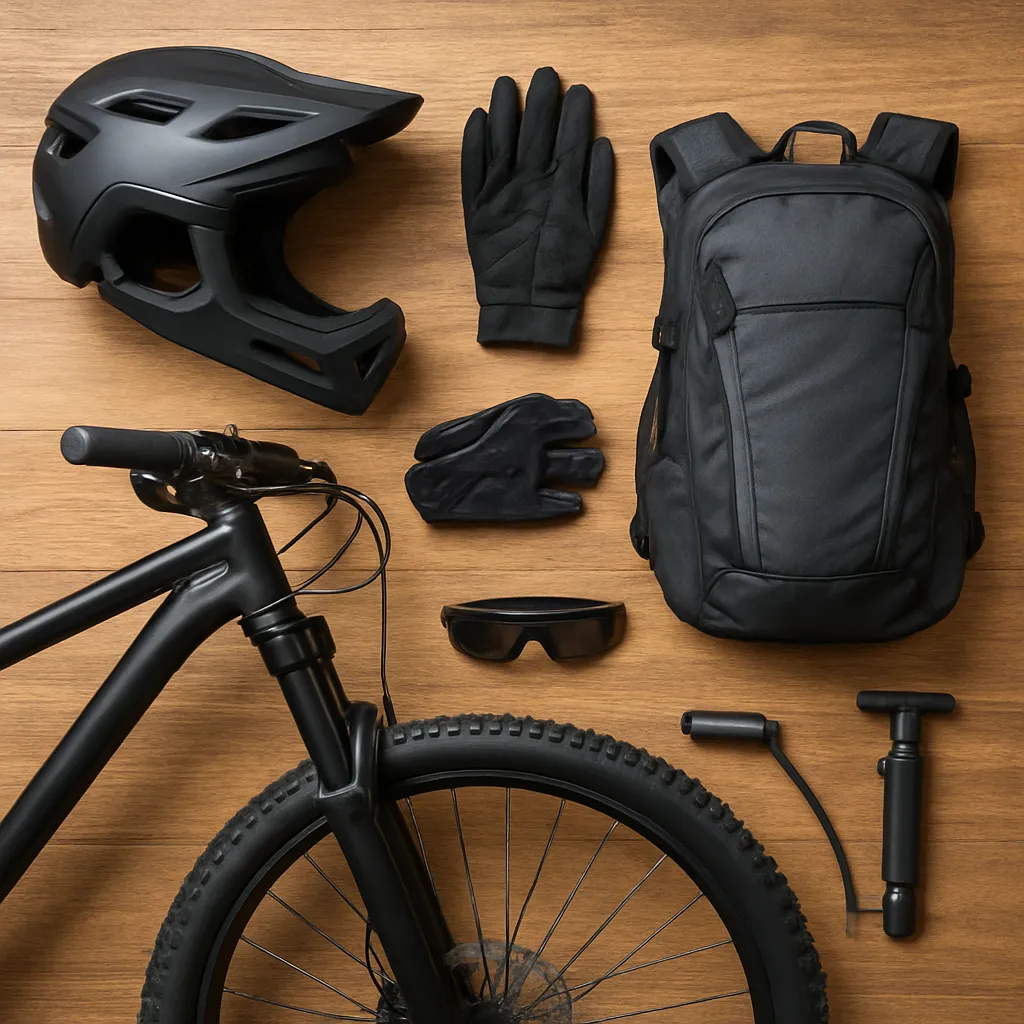
- Invest in a quality helmet with extended coverage, especially for enduro or downhill disciplines.
- Wear gloves with reinforced padding and good grip to reduce hand fatigue and maintain control.
- Consider knee and elbow pads, especially when pushing personal limits on technical descents.
Body Position & Balance
Your posture on the bike plays a pivotal role in how you absorb terrain impacts and maintain control. Small adjustments can translate into smoother, safer riding.
Neutral & Attack Positions
- Neutral Position: Keep pedals level, arms and legs slightly bent, and your weight centered over the bike. This stance allows quick adjustments in any direction.
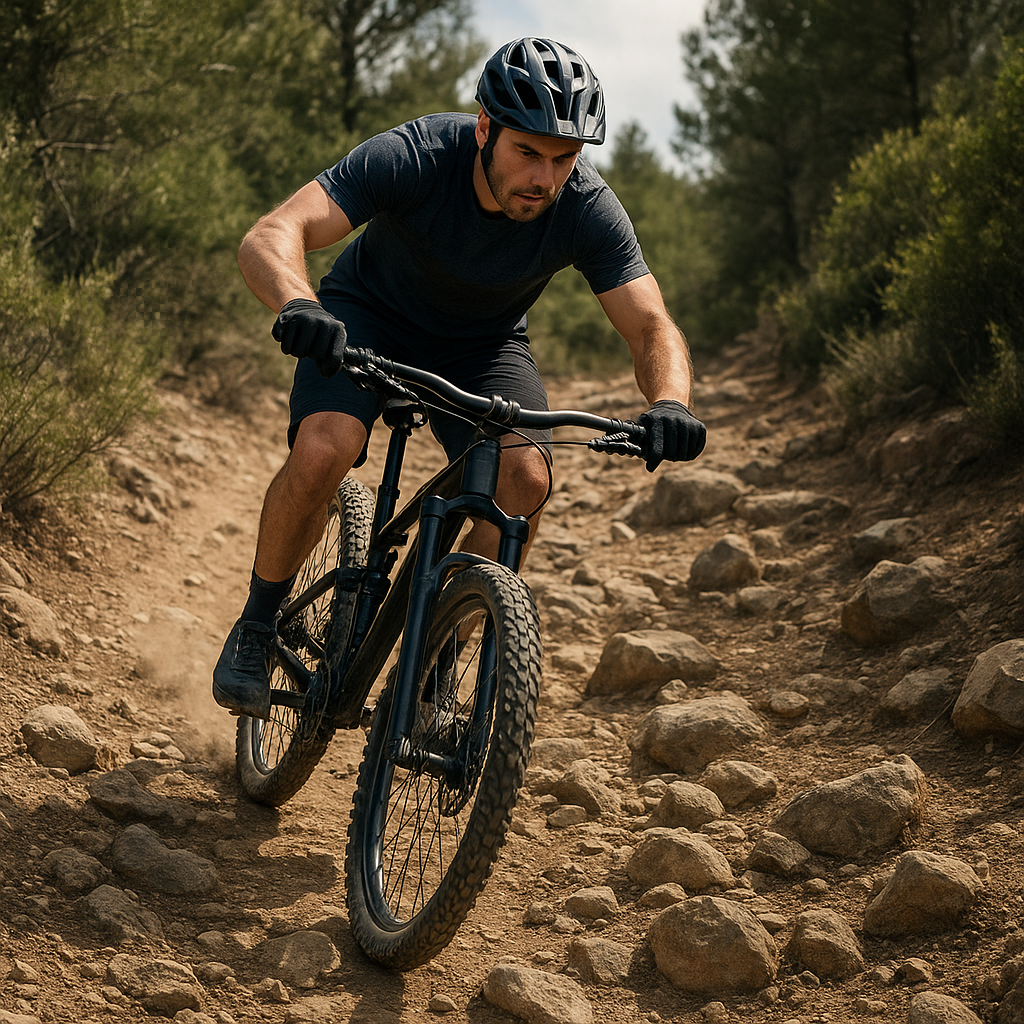
- Attack Position: Shift your hips back, drop your torso toward the bars, and bend elbows outward. This lowers your center of gravity, preparing you for steep descents and big bumps.
Active Suspension Technique
Rather than remaining stiff, use your limbs as additional suspension. Allow elbows and knees to flex and extend in response to obstacles. This “riding the springs” approach reduces jarring impacts through your spine and improves contact with the ground.
Weight Distribution & Momentum
- Climbs: Lean forward, keep hips low, and maintain a forward weight bias to prevent front wheel lift.
- Descents: Shift weight backward and lower your center of gravity to avoid going over the bars.
- Rolling Obstacles: Stay light on the handlebars, lift the front wheel slightly, and let rear wheel momentum roll you over roots or rocks.
Technical Riding Techniques
Developing precise techniques helps you tackle a variety of rough-terrain challenges. Focus on these core skills to navigate technical sections with ease.
Braking Control
- Feather both brakes rather than grabbing hard. Modulating pressure prevents wheel lock-up and loss of traction.
- Use more rear brake when turning on loose surfaces to maintain front wheel grip.
- Practice threshold braking drills on grass or gravel, learning the point just before skidding occurs.
Line Selection & Trail Reading
Choosing the optimal path through a rough section can be more important than raw speed. Look ahead and pick lines that offer the smoothest, most predictable surface. Consider these tips:
- Follow natural contours to avoid square-edged drops.
- Avoid deep ruts; ride on the higher side for better traction.
- Plan exits from rock gardens: it’s often better to weave slightly than to go in a straight line.
Cornering on Rough Ground
- Approach turns with controlled speed; carrying too much velocity on loose or rocky corners leads to slides.
- Lean the bike, not your body. Keep your torso upright, shift hips slightly toward the inside of the turn, and push the outside foot down for added traction.
- Look through the turn to anticipate obstacles and pick a smooth exit line.
Practice Routines & Drills
Regular, structured practice accelerates skill development. Incorporate these drills into your training to build balance and precision.
Obstacle Courses
- Set up barriers such as logs, rocks, or cones to create a mini-course.
- Practice wheel lifts by riding toward an obstacle at low speed and popping the front wheel over it.
- Time your runs to track improvement and identify weak areas.
Progressive Difficulty
- Start with small and simple features, then increase height, width, or frequency as confidence grows.
- Focus on one technique at a time: rock rolls one day, steep switchbacks the next.
- Record your sessions to analyze body position and technique in real time.
Video Analysis & Feedback
Have a riding partner record segments of your ride. Reviewing footage helps you spot inconsistencies in momentum, braking habits, and body position. Use this feedback to set specific goals for your next practice session.
Maintenance & Safety Checks
A well-maintained bike not only performs better but also reduces the risk of mechanical failures during critical moments.
Pre-Ride Inspection
- Check tire pressure and inspect for cuts or bulges.
- Verify brake pads have sufficient material and that rotors are clean.
- Ensure quick-release skewers or thru-axles are properly tightened.
- Test suspension movement and look for leaks or excessive play in bearings.
Post-Ride Care
- Clean drivetrain components and apply chain lubrication to prevent wear.
- Rinse off mud and gravel to avoid corrosion on pivots and seals.
- Inspect bolts and pivot points, re-torquing to manufacturer specifications as needed.
Safety Strategies
- Always carry a basic tool kit, spare tube, and a pump or CO₂ inflator.
- Ride within your limits, especially when fatigued or facing unfamiliar trails.
- Consider a GPS device or smartphone mount to stay on course and call for help if necessary.
Progress on rough terrain hinges on the integration of proper equipment, refined body positioning, and dedicated practice. By focusing on these elements and incorporating regular maintenance checks, riders can navigate technical trails with greater skill, efficiency, and enjoyment.