Cycling across Europe offers a unique blend of adventure and cultural immersion that few other travel methods can match. Whether you’re tackling coastal routes, meandering through vineyards, or climbing mountain passes, a well-structured plan will ensure your journey remains both memorable and manageable. This guide will lead you through essential considerations—from mapping out routes to choosing the right gear—so you can fully embrace the freedom and excitement of two wheels under you.
Route Planning and Preparation
Successfully navigating a cross-continental bike trip begins long before you set wheels on pavement. Careful preparation will minimize surprises and keep you focused on the thrill of exploration.
Choosing Your Route
- Research popular corridors such as the EuroVelo network, Rhine Route, or Mediterranean Cycle Route.
- Factor in distance, terrain, and daily elevation gain to match your endurance level.
- Identify rest days or shorter cycling segments in major cities to recover and explore.
Mapping and Navigation
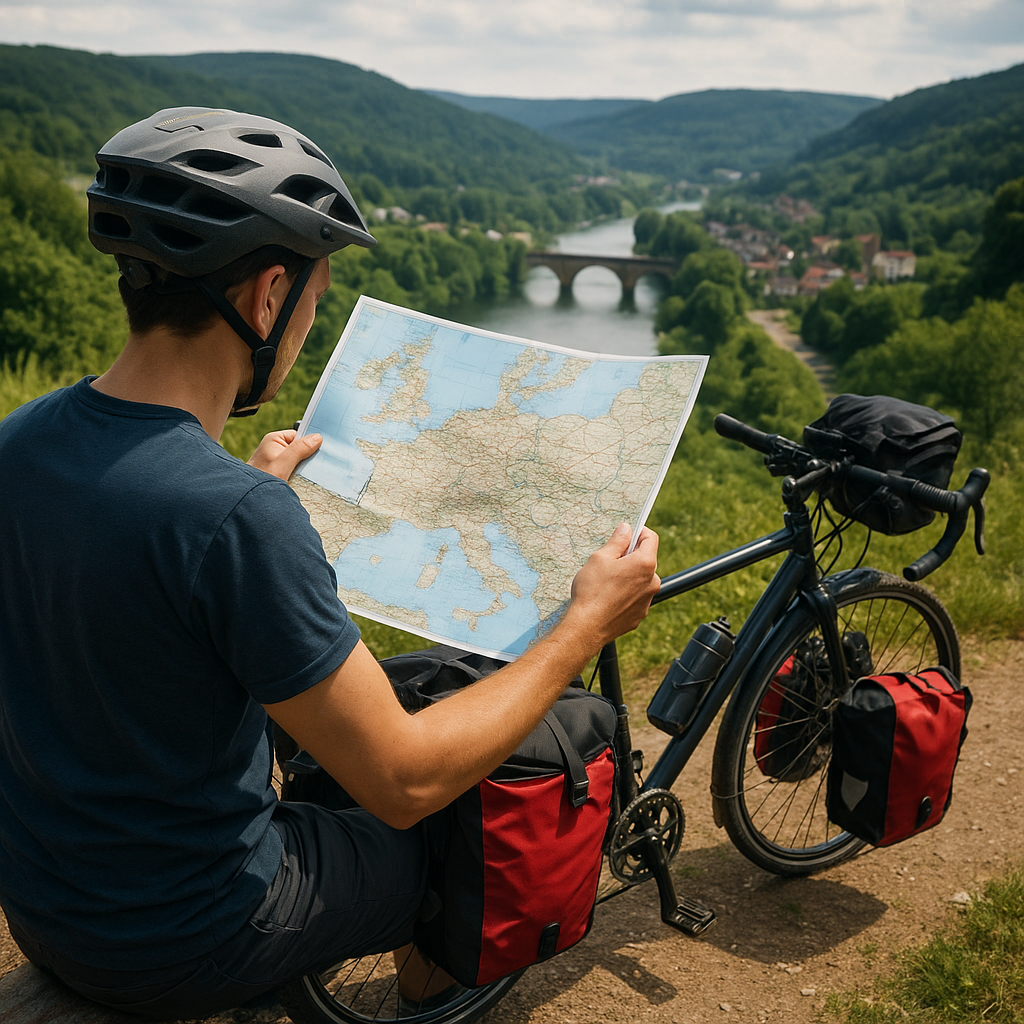
Accurate navigation tools are crucial. Combine digital resources with printed maps:
- Use GPS-enabled bike computers or smartphone apps (Komoot, Ride with GPS).
- Carry a waterproof road atlas for backup in remote areas.
- Note waypoints for water sources, repair shops, and campsites.
Permits and Regulations
- Check visa requirements for non-EU travelers and bike-specific regulations in each country.
- Verify road rules such as helmet laws, lighting requirements, and permissible cycling paths.
- Secure necessary permits for national parks or protected areas along your route.
Essential Gear and Packing Tips
Investing in quality equipment will enhance comfort and reliability on long rides. Overloading your bike can hinder performance, so focus on multipurpose items and lightweight solutions.
Bicycle Selection and Maintenance
- Opt for a touring or gravel bike with sturdy racks and tire clearance.
- Fit wider tires (28–45 mm) for versatility across pavement, gravel, and dirt roads.
- Carry a compact tool kit: multi-tool, spare chain links, patch kits, and a mini-pump.
Panniers and Luggage
- Distribute weight evenly: heavier items low and centered, lighter items in handlebar bags.
- Choose waterproof panniers to protect gear from rain, splashes, and dust.
- Pack versatile clothing for changing weather: synthetic layers, rain jacket, and convertible pants.
Camping versus Accommodation
Deciding between tent camping and budget hostels depends on your desired level of flexibility:
- Camping gear: lightweight tent, sleeping bag rated to local temperatures, inflatable mat.
- Hostels and guesthouses: book in advance in high season; enjoy social atmosphere and showers.
- Use platforms like WarmShowers for free cyclist-host stays, boosting camaraderie and cultural exchange.
Safety, Accommodation, and Logistics
Maintaining your well-being and managing logistics efficiently will make or break your expedition. Plan for emergencies and local customs to ensure a smooth passage.
Health and First Aid
- Pack a first-aid kit: bandages, antiseptic, blister pads, pain relievers, and any personal medications.
- Stay hydrated and monitor electrolyte levels; carry a water filter or purification tablets in rural zones.
- Learn basic bicycle accident protocols and have emergency contacts saved offline.
Accommodation Logistics
- Book critical segments ahead during festivals or peak cycling season.
- Keep your itinerary fluid: allow buffer days to accommodate weather delays or rest.
- Utilize local tourism offices for up-to-date information on bike-friendly lodging.
Money and Communication
- Carry multiple payment methods: a credit card with no foreign transaction fees and some local currency.
- Invest in a local SIM card or international data plan to access maps and emergency services.
- Store digital copies of passports, insurance, and itinerary details in secure cloud storage.
Cycling Culture and Community Across Europe
Europe’s cycling tapestry weaves through varied landscapes, languages, and traditions. Embracing the local culture enriches every mile, transforming a physical journey into a tapestry of human connection.
Local Routes and Hidden Gems
- Seek out farm-to-table cafes along rural lanes to savor regional specialties.
- Engage with local cycling clubs for group rides, maintenance tips, and route advice.
- Explore offbeat paths like former railway tracks, medieval trade roads, and forest trails.
Sustainability and Responsible Travel
Promote sustainability by choosing reusable water bottles, minimizing single-use plastics, and respecting wildlife habitats. Support small businesses and eco-friendly accommodations to leave a positive footprint.
Building Resilience and Growth
A long-distance ride is a test of resilience. Embrace challenges—mechanical failures, sudden weather changes, surprising detours—as opportunities to learn and adapt. Each obstacle overcome strengthens both your physical stamina and mental grit, fueling deeper passion for the open road.
Ready to embark on the ride of a lifetime? With structured planning, reliable equipment, and an open heart toward new experiences, cycling across Europe can be an unforgettable odyssey of exploration and personal growth.