Embarking on a bikepacking adventure requires careful consideration of many factors, from selecting the ideal bicycle to mastering on-the-trail skills. This guide will help you discover the equipment, planning strategies, and best practices needed for a successful journey spanning days or weeks. Whether you’re a seasoned cyclist or new to multi-day rides, understanding the essentials of bikepacking will enhance your comfort, confidence, and enjoyment on any terrain.
Choosing the Right Bike and Essential Gear
Bike Types and Frame Considerations
Selecting the proper bicycle is the foundation of every trip. A gravel bike, touring frame, or mountain bike can all serve as excellent platforms depending on your intended route. Gravel bikes balance speed and comfort on mixed surfaces, while touring frames offer superior load capacity and stability. Mountain bikes excel on rough trails and technical terrain. Look for a frame constructed from aluminum or carbon for a balance between strength and weight.
Essential Accessories
- Panniers or bikepacking bags: Choose waterproof, durable bags that distribute weight evenly.
- Handlebar roll: Perfect for storing a sleeping bag or lightweight tent.
- Rack and mounting hardware: If you prefer panniers, racks add stability for heavier loads.
- Frame bag: A convenient spot for tools, snacks, and electronics.
- Lights: Front and rear lights with high lumens rating ensure visibility during dawn, dusk, or emergency stops.
- Hydration system: Bottles or a bladder system keeping water accessible on the move.
Route Planning and Navigation
Defining Your Itinerary
Begin by selecting general start and end points. Investigate trail guides, online forums, and mapping apps to identify scenic roads, track quality, and resupply points. Aim for daily mileage that aligns with your fitness level; beginners might target 40–60 km per day, while experienced riders can push beyond 80 km.
Mapping Tools and Techniques
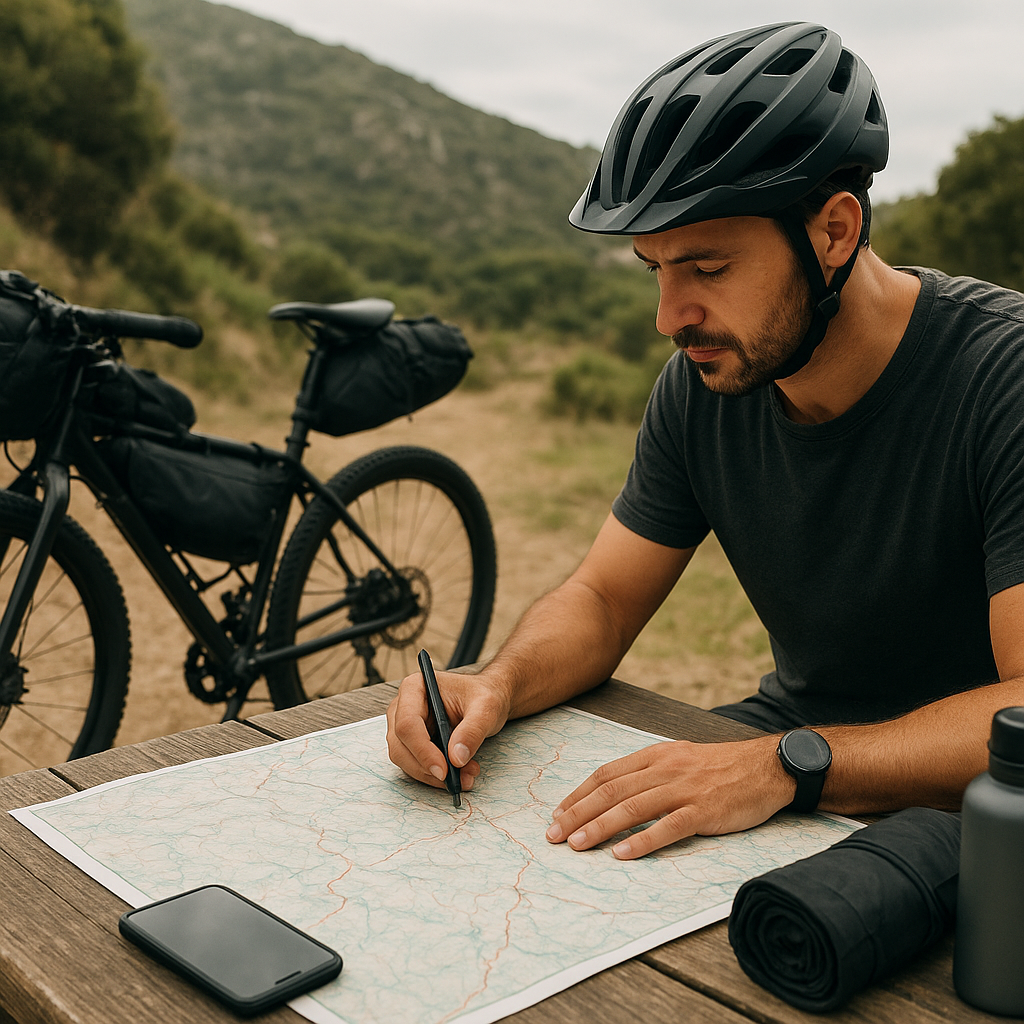
Digital tools like GPS navigation apps and downloadable GPX files allow you to pre-load routes and track progress without cellular connectivity. Always carry a paper map or cue sheet as a backup. Familiarize yourself with contour lines and elevation profiles to anticipate climbs and descents. Mark water stops, campsites, and potential hazards such as river crossings or unpaved stretches.
Flexible Scheduling
Weather, mechanical issues, or unexpected attractions can alter your timeline. Build in one or two rest days or reserve buffer distance to accommodate delays. Flexibility prevents stress and enables you to adapt if heavy rain, high winds, or trail closures appear.
Safety, Maintenance, and On-Trail Repairs
Pre-Trip Maintenance
Before departure, perform a thorough inspection. Check brake pads for wear, ensure tire tread and pressure are appropriate for off-road conditions, and lubricate the chain to prevent premature wear. Carry a small bottle of lubricant for on-the-go adjustments.
Toolkit Essentials
- Spare tubes or patch kit: Quick tire repairs keep you rolling.
- Multitool: Equipped with various hex wrenches, screwdrivers, and sometimes a chain breaker.
- Mini pump or CO₂ inflator: Choose lightweight yet reliable inflators.
- Chain links and derailleur hanger: Replacements for the most vulnerable drivetrain parts.
- Zip ties and duct tape: Handy for temporary fixes.
- First aid kit: Include bandages, antiseptic wipes, and pain relief meds.
On-Trail Emergency Procedures
If you experience a mechanical failure in a remote area, follow these steps: assess the damage, secure loose components, and implement your temporary fix. Signal for help if needed; know local emergency numbers or carry a satellite communicator in extremely isolated regions. Prioritize safety and avoid riding over unfamiliar obstacles at high speed.
Nutrition, Hydration, and Physical Preparation
Fueling Your Ride
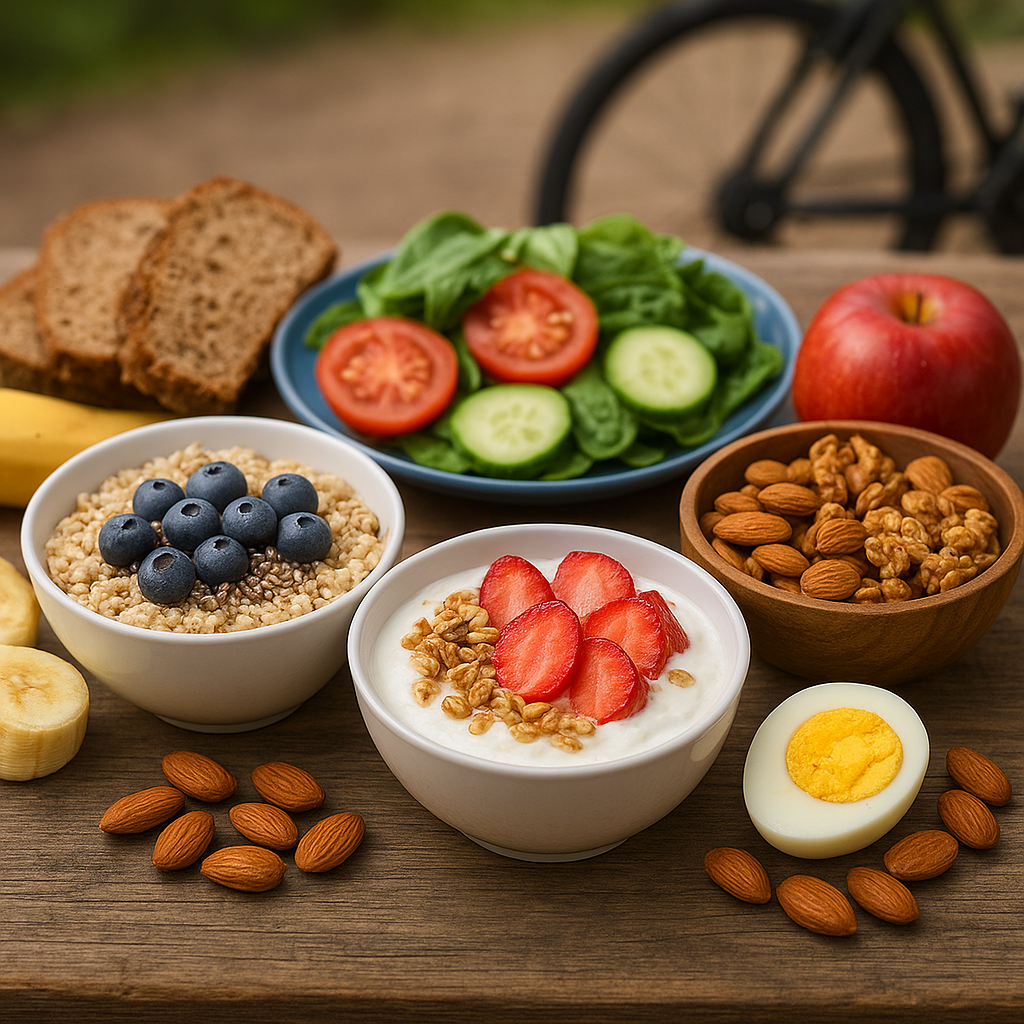
Long rides demand a strategic approach to nutrition. Aim for a mix of complex carbohydrates, proteins, and healthy fats. Granola bars, trail mix, jerky, and nut butter sachets provide compact, high-calorie options. Plan resupply stops in towns or villages to restock fresh fruits, vegetables, and prepared meals.
Staying Hydrated
Hydration is critical for performance and recovery. Carry at least two liters of water and refill frequently from safe sources. Consider electrolyte tablets to replace minerals lost through sweat, especially on hot days or during intense climbs.
Training and Conditioning
Prepare in advance by gradually increasing your weekly mileage and including back-to-back long rides on similar terrain. Incorporate strength training focusing on core and leg muscles to improve stamina and reduce fatigue. Practice packing your gear to adapt to changing balance and handling characteristics.
Packing Strategies and Minimalism
Weight Distribution Principles
Efficient packing enhances comfort and control. Heaviest items should sit low and close to the bike’s center. Distribute weight evenly between front and rear to maintain steering responsiveness. Test your loaded bike on local trails to fine-tune positioning.
Minimalist Gear Selection
Adhering to a minimalist philosophy saves space and reduces strain. Evaluate each item’s utility and multi-functionality. A bandana can serve as a sweat rag, face covering, or cooking tool. Ultralight shelter systems and compact cookware cut bulk without sacrificing functionality.
Clothing and Layering
Pack quick-dry, moisture-wicking fabrics and layer for temperature regulation. A lightweight waterproof shell protects from rain and wind. Merino wool base layers resist odor and retain warmth even when damp. Always carry a compact set of warm clothing for unexpected cold nights.
Environmental Responsibility and Community Engagement
Leave No Trace Principles
Protect natural landscapes by following Leave No Trace guidelines. Pack out all trash, avoid creating new campsites, and minimize campfire impacts by using stoves. Respect wildlife and maintain a safe distance to preserve ecosystems.
Supporting Local Economies
Frequent small businesses along your route—cafés, guesthouses, and repair shops. Engaging with local communities not only enhances your cultural experience but also supports the people who maintain trail networks and services.
Connecting with Fellow Riders
Join online bikepacking forums, social media groups, or local clubs to exchange advice and route ideas. Group rides can build confidence and camaraderie, while mentorship from experienced packers accelerates your learning curve.
Final Thoughts on Lifelong Adventure
Bikepacking opens doors to remote landscapes, personal growth, and lasting memories. By choosing the right equipment, planning thoroughly, and embracing adaptability, each trip becomes a story of resilience and discovery. Equip yourself with these guidelines, trust your instincts, and gear up for an unforgettable odyssey on two wheels.