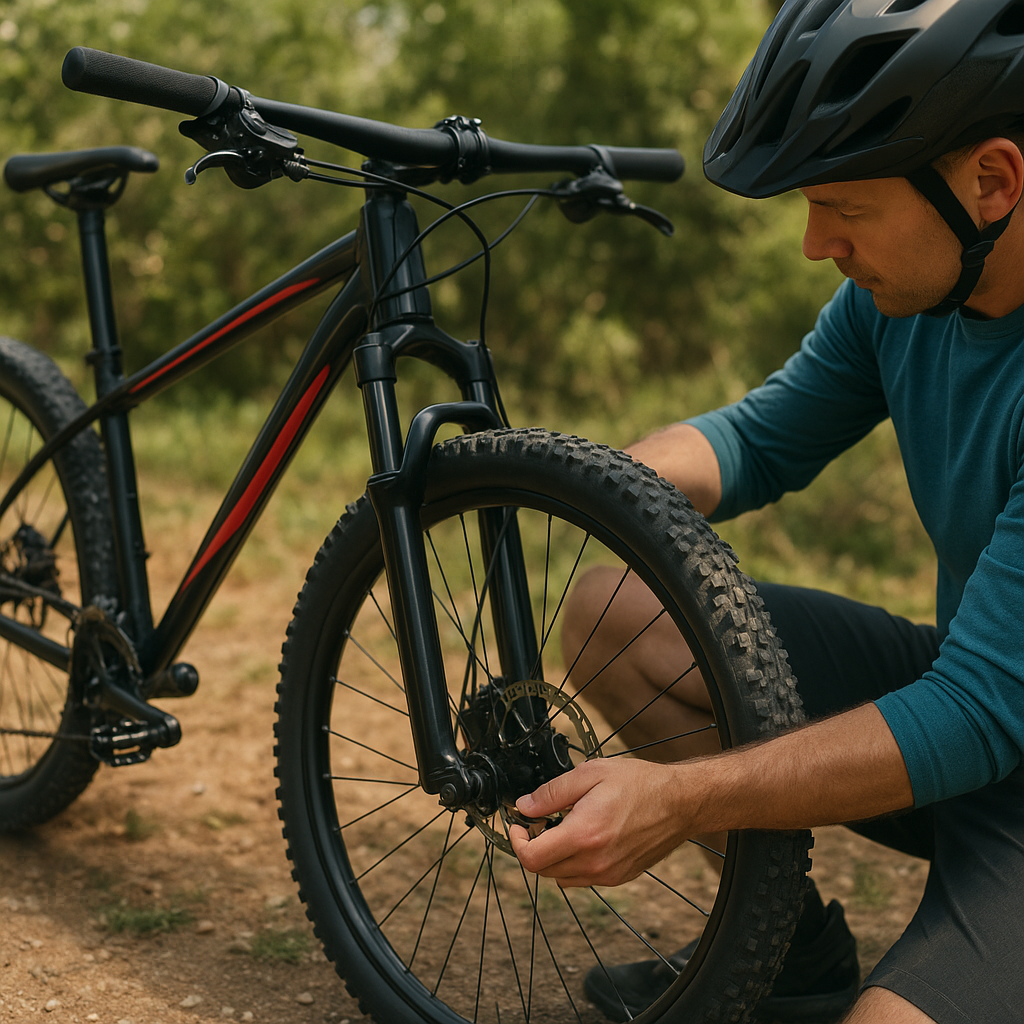
Embarking on an exciting off-road bicycle journey requires thoughtful preparation to conquer rugged paths and unpredictable obstacles. Mastering the fundamentals of selecting the right equipment, performing thorough inspections, and packing essential spares will enhance your riding experience and minimize mechanical failures. This guide covers everything from choosing a specialized bike to fine-tuning for diverse trail conditions.
Choosing the Right Bike and Gear
Frame and Wheel Considerations
Your choice of frame material plays a pivotal role in ride durability and handling. Aluminum frames offer a lightweight solution, while steel frames deliver extra toughness at the cost of added weight. Carbon fiber frames excel in performance but come with a higher price tag and increased fragility in crashes. Next, select wheel sizes based on your riding style:
- 26-inch wheels – Agile cornering on tight trails.
- 27.5-inch wheels – A balanced mix of acceleration and rollover ability.
- 29-inch wheels – Superior stability and obstacle clearance.
Suspension Setup
Off-road trails often feature roots, rocks, and drops that demand a quality suspension system. Hardtail bikes (front suspension only) are lighter and simpler to maintain, making them perfect for moderate trails. Full-suspension bikes provide both front and rear travel to absorb bigger impacts. Adjust your suspension settings to match rider weight and chosen trail difficulty. Key parameters include:
- Sag (initial travel used at rest).
- Compression damping (controls speed of travel under load).
- Rebound damping (regulates return speed).
Pre-Ride Inspection and Maintenance
Tire Pressure and Tread
Proper tire setup is vital for maximizing traction and minimizing pinch flats. Lower pressures increase the contact patch, improving grip on loose soil and rocks. However, overly soft tires risk rim damage. Aim for:
- 15–20 psi for rocky or root-laden trails.
- 20–30 psi for hardpack or gravel roads.
Inspect tire tread for cuts or embedded debris. Replace if knobs show signs of excessive wear.
Brake and Drivetrain Check
Routine brake maintenance ensures quick stopping power on steep descents. Check rotor alignment, pad thickness, and hydraulic fluid levels. For mechanical systems, confirm cable tension and lubrication. The drivetrain demands equal attention:
- Clean chain, cassette, and chainrings with a degreaser.
- Inspect chain wear with a length gauge; replace if beyond recommended stretch.
- Lubricate chain sparingly with a high-quality wet or dry lube.
Bolts, Bearings, and Alignment
Loose bolts can turn a fun ride into a disaster. Work through the bike from front to back, torquing stem, handlebars, seatpost, and cranks to manufacturer specifications. Spin wheels to check for hub plays and true the rims if lateral wobbles appear. Evaluate headset bearings by rocking the bike back and forth; any roughness calls for servicing or replacement.
Essential Tools and Spares
Carrying the right toolkit ensures you can tackle most trailside repairs. Keep these items in a frame bag or saddlepack:
- Multi-tool with hex keys, Torx bits, and screwdrivers.
- Chain breaker and quick links for emergency chain repairs.
- Spare tubes or a tubeless repair kit with plugs and sealant.
- Portable pump or CO2 inflator with cartridges.
- Patch kit and tire levers for puncture response.
- Safety whistle or multi-functional whistle tool.
Optional spares include derailleur hanger, extra brake pads, and a small roll of zip ties. Organize everything in a compact pack to avoid rattling and ensure quick access.
Safety and Protective Equipment
Helmets and Body Armor
A properly fitting helmet is the first line of defense against head injuries. Choose between lightweight trail helmets and full-face designs for downhill disciplines. Additional protection may include:
- Knee pads for shin and patella coverage.
- Elbow guards to protect joints from scrapes and impacts.
- Gloves with reinforced palms to improve grip and absorb vibration.
Visibility and Communication
Enhance your on-trail visibility with LED lights attached to the helmet or handlebars. Wear a high-contrast jersey and consider reflective elements for low-light scenarios. A fully charged smartphone or satellite communicator allows you to call for help in remote areas. Brief a friend on your planned route and expected return time to improve post-ride safety.
Fine-Tuning for Specific Terrains
Loose and Sandy Trails
In soft, shifting sand, wider tires with low-pressure setups will help you maintain momentum. Optimize your pedal stroke to stay seated and distribute weight evenly. Keep your upper body relaxed to absorb unexpected shifts.
Rock Gardens and Root Sections
Approach rock gardens with a slightly raised seat and centered weight. Look ahead to plot your line, choosing smoothest rock surfaces. Engage a lower gear for consistent power delivery. Preload your forks before hitting larger drops to maximize performance and control.
Muddy or Wet Conditions
Mud demands aggressive tread patterns to prevent clogging. Clean your drivetrain more frequently as grit accelerates wear. After the ride, flush your brakes and suspension components with clean water to remove corrosive contaminants.
Preparing Mentally and Physically
Fitness and Nutrition
Off-road cycling is physically demanding. Incorporate endurance rides, hill repeats, and strength training into your routine. Hydrate adequately before setting out, and carry electrolyte-rich drinks to replenish lost salts. Pack calorie-dense snacks like gels, bars, or dried fruit for quick energy.
Trail Etiquette and Awareness
Respect local trail rules, yield appropriately to hikers and equestrians, and stay on designated paths to protect the environment. Communicate with other riders: a friendly “on your left” alerts them to your approach. Cultivating stability in your bike handling will earn you respect and reduce conflicts on shared trails.
Conclusion
By carefully selecting the right components, executing thorough inspections, and packing essential tools and spares, you’ll significantly reduce the risk of mechanical failures and enhance riding confidence. Coupled with proper protective gear and smart trail strategies, these preparations will ensure your off-road adventure becomes an unforgettable journey of skill, endurance, and exploration.