After an exhausting ride covering steep climbs, fast flats, and narrow trails, your body demands proper attention to bounce back stronger. Whether you are a weekend warrior or a competitive racer, understanding the principles of effective recovery can make a world of difference in your next session on the saddle. In this article, we explore key strategies, techniques, and tools that help cyclists heal faster, maintain peak performance, and safeguard long-term health.
Nutrition and Hydration Strategies for Optimal Recovery
Refueling the body with the right nutrients and fluids is the cornerstone of efficient recovery. Intense cycling sessions deplete glycogen stores, break down muscle fibers, and increase oxidative stress. Addressing these challenges promptly sets the stage for muscle repair and energy restoration.
Immediate Post-Ride Refueling
Within 30 to 60 minutes after a hard ride, muscles are primed to absorb carbohydrates and protein most effectively. Aim for a carbohydrate-to-protein ratio of roughly 3:1. This combination accelerates muscle glycogen resynthesis and promotes protein synthesis, which repairs microtears.
- Chocolate milk or plant-based alternatives (almond or soy) for a quick 4:1 or 3:1 carb-protein mix
- A smoothie with banana, berries, spinach, protein powder, and oats
- Rice cakes topped with nut butter and honey
Balanced Meals and Micronutrients
Once you’ve completed your post-ride snack, focus on balanced meals throughout the day. Your plate should include complex carbohydrates (sweet potatoes, brown rice, quinoa), lean proteins (chicken, tofu, legumes), and healthy fats (avocado, olive oil, nuts). Don’t overlook micronutrients – vitamins and minerals like iron, calcium, magnesium, and vitamin D play crucial roles in cellular repair and bone health.
- Leafy greens and colorful vegetables for antioxidants
- Eggs or fortified tofu for high-quality protein and choline
- Salmon or sardines for omega-3 fatty acids that reduce inflammation
Hydration and Electrolyte Replenishment
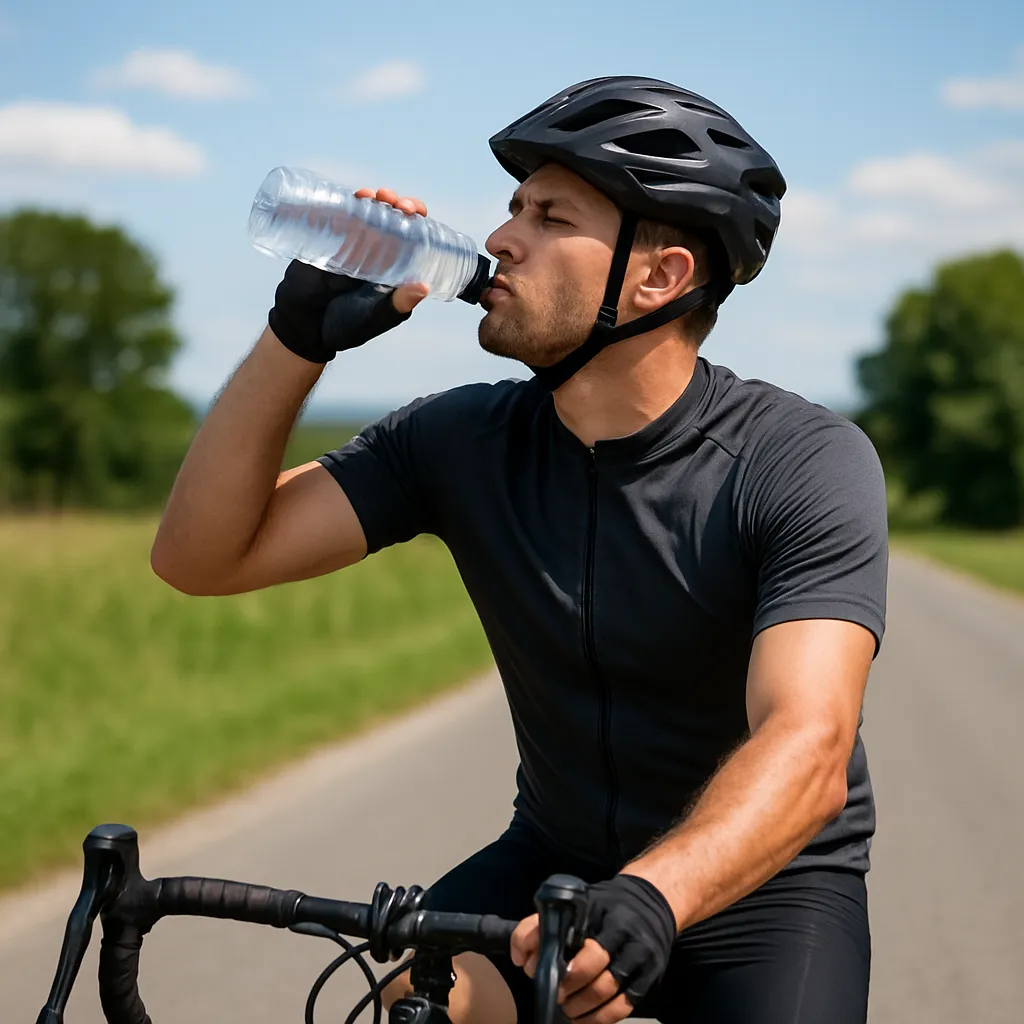
During intense cycling, you sweat not only water but also electrolytes such as sodium, potassium, and magnesium. Replenishing these helps regulate fluid balance, nerve function, and muscle contraction. As a rule of thumb, drink 1.5 liters of fluid for every kilogram of body weight lost through sweat. Consider:
- Sodium-enhanced sports drinks to replace salt lost
- Coconut water for natural potassium and magnesium
- Water infused with sea salt and a squeeze of citrus for a homemade electrolyte boost
Active Recovery: Movement, Stretching, and Therapeutic Techniques
Contrary to complete inactivity, gentle movement and targeted therapies accelerate blood flow, clear metabolic byproducts, and reduce muscle stiffness. Active recovery becomes a vital part of a cyclist’s routine.
Cool-Down Routines
After crossing the finish line or returning home, spend 10 to 20 minutes performing light aerobic activity. This may include easy pedaling on the bike, brisk walking, or light jogging. The goal is to gradually lower heart rate and promote venous return, shuttling nutrients into recovering tissues.
Stretching and Mobility Work
Static and dynamic stretches help maintain flexibility in key cycling muscles: quadriceps, hamstrings, calves, hip flexors, and lower back. Hold each static stretch for 30 seconds, and repeat 2–3 times per muscle group.
- Hamstring stretch with one leg extended on a bench or chair
- Hip flexor lunge to open the front of the hip
- Calf stretch on a step, pressing heels down
Self-Myofascial Release and Massage
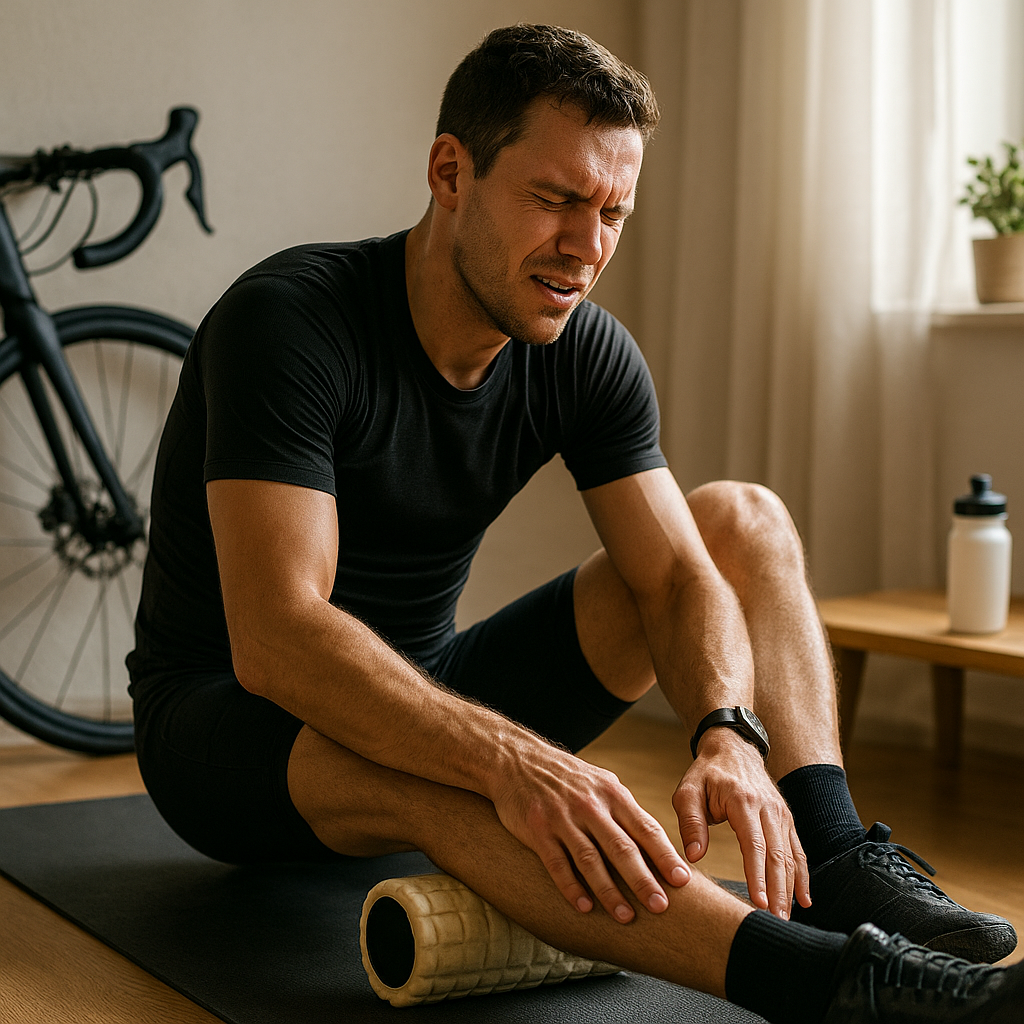
Foam rollers, massage balls, and percussion devices can target sore spots and myofascial tightness. Spending 1–2 minutes on each major muscle group enhances circulation and reduces fascial adhesions.
- Foam rolling quads, IT band, and glutes for 30–60 seconds each
- Using a lacrosse ball on calf muscles and shoulder blades
- Percussion massage tools for deeper tissue penetration
Rest, Sleep, and Hormonal Balance
Quality sleep and controlled rest intervals are non-negotiable for long-term success. During deep sleep, the body releases growth hormone that repairs tissues, builds lean muscle, and improves metabolic health.
Optimizing Sleep Environment
- Maintain room temperature between 16–19°C for comfortable slumber
- Eliminate blue light exposure 1–2 hours before bedtime
- Establish a consistent sleep schedule, even on rest days
Strategic Rest Days and Periodization
Rest days should involve minimal physical stress. Consider:
- Light yoga or gentle stretching instead of high-intensity workouts
- Incorporating active hobbies like swimming or walking
- Following a periodized training plan that alternates hard weeks with easier recovery phases
Specialized Recovery Tools and Gear
Equipment designed for post-ride restoration offers added advantages to cyclists who invest in their recovery. From compression wear to electrostimulation, modern technology supports faster healing.
Compression Garments
Compression socks, tights, and sleeves apply graduated pressure on the limbs to enhance blood flow and reduce swelling. Many riders find these particularly useful after long endurance rides or stage races.
Electrical Muscle Stimulation (EMS)
Portable EMS devices send low-level electrical impulses to muscles, mimicking the benefits of active movement without exertion. Short sessions can alleviate soreness and accelerate nutrient delivery to fatigued fibers.
Cryotherapy and Contrast Therapy
- Ice baths (10–15°C) for 8–12 minutes to reduce inflammation
- Contrast showers alternating hot and cold water to stimulate circulation
- Localized cold massage with ice packs on inflamed joints or tendons
Mental Recovery and Injury Prevention
Physical healing is intricately linked with mental wellness. Reducing stress, fostering a positive mindset, and staying attuned to your body’s signals helps prevent overuse injuries and burnout.
Mindfulness and Relaxation Techniques
- Guided meditation apps focusing on breathwork
- Progressive muscle relaxation before bedtime
- Visualization of smooth pedaling and efficient biomechanics
Early Detection and Professional Support
Listening to nagging aches and consulting therapists or sports medicine professionals early on can stop minor issues from developing into serious problems. Regular bike fits, gait analysis, and flexibility screenings contribute to long-term health and peak performance.