City cycling presents a unique blend of freedom and challenge, inviting riders to embrace an eco-friendly commute while navigating busy streets. Embracing the urban landscape on two wheels demands a solid commitment to safety, awareness, and proper preparation. By adopting tested strategies and leveraging quality equipment, cyclists can significantly reduce risks and enjoy a smoother ride through the hustle and bustle of metropolitan traffic.
Essential Safety Gear and Preparation
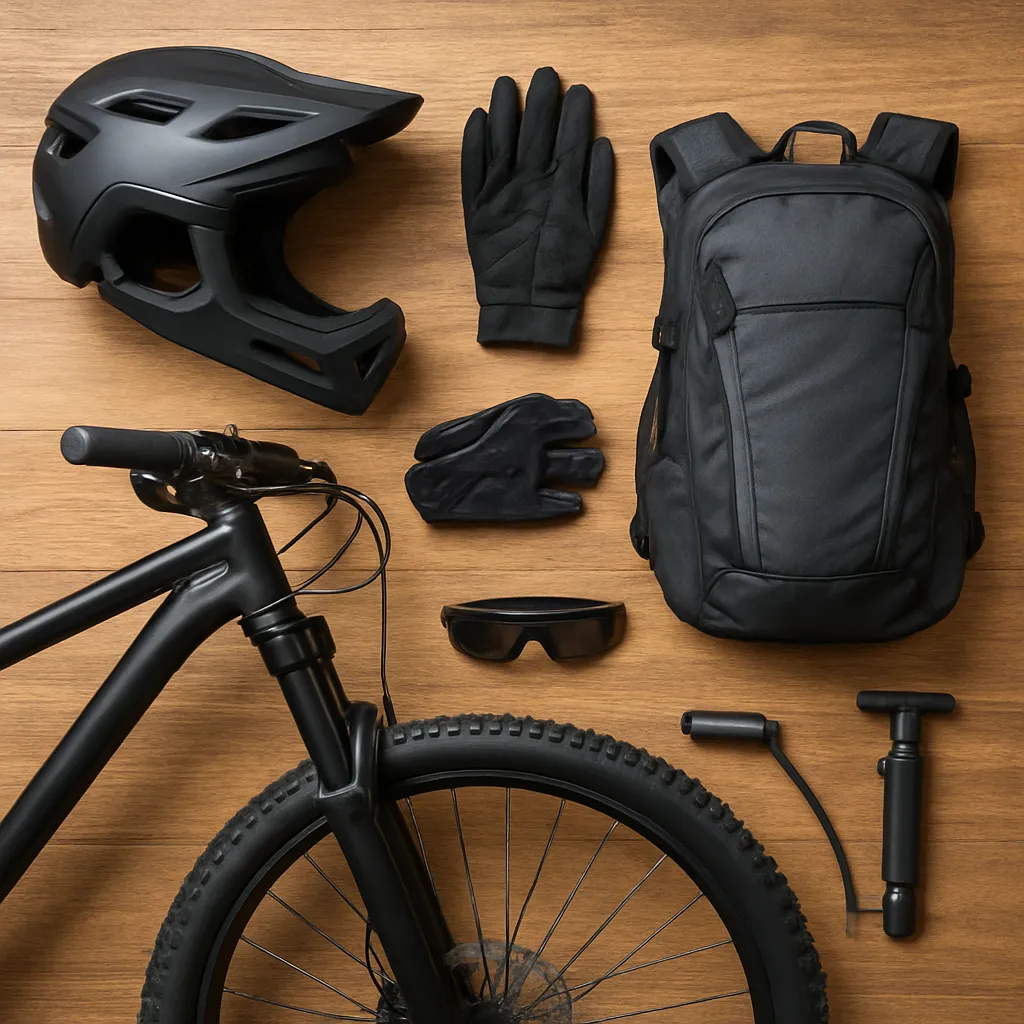
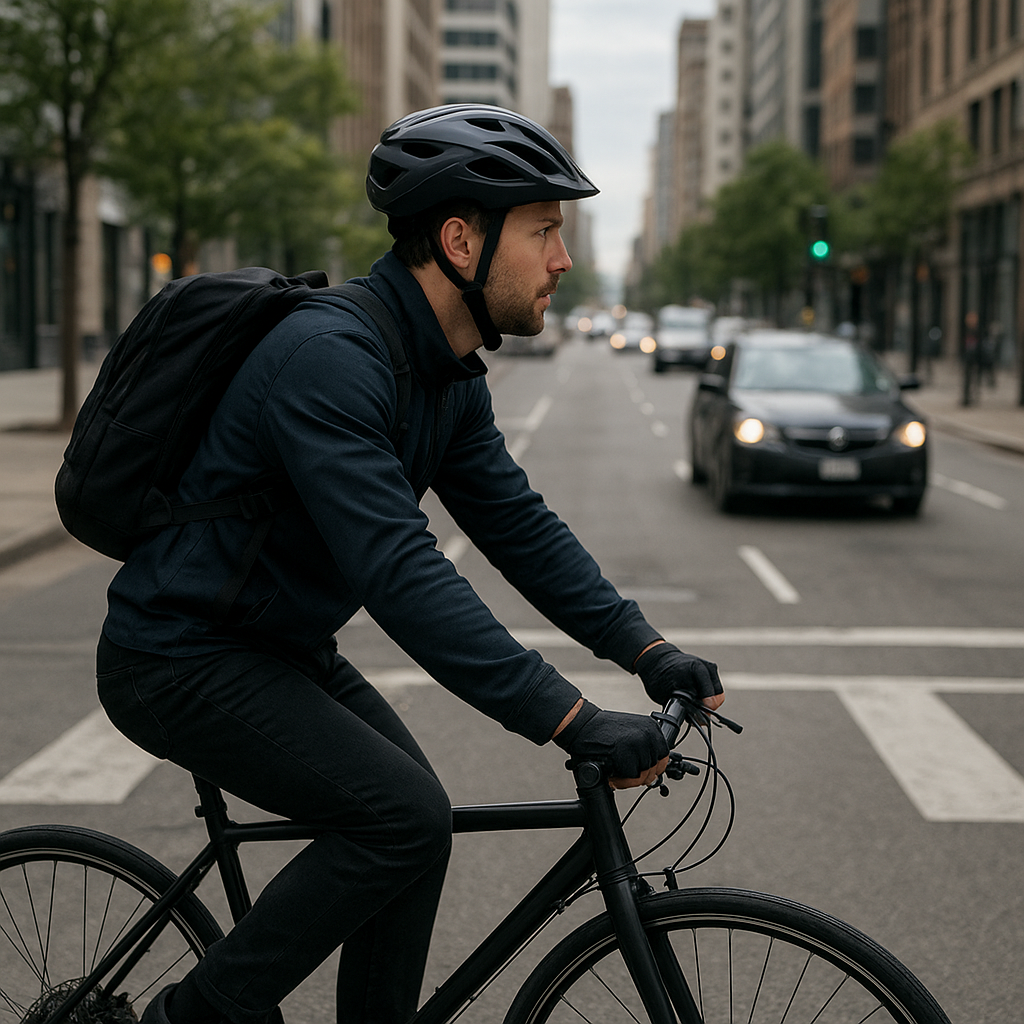
Before setting off on any urban journey, it is crucial to equip yourself with the right gear. Proper helmet selection and fit are non-negotiable, forming the bedrock of head protection. Alongside a certified helmet, riders should invest in bright clothing and reflective gear to enhance visibility in low-light conditions. High-visibility vests, spoke reflectors, and LED lights mounted on the front and rear of the bicycle all contribute to being seen by motorists and pedestrians alike.
Helmet and Protective Gear
- Choose helmets that meet safety standards such as CPSC or EN1078.
- Ensure a snug, level fit with the strap fastened under the chin.
- Consider padded gloves and elbow pads for added protection against scrapes.
Lighting and Reflectors
- Front white lights and rear red lights should be bright enough to be seen from at least 500 feet.
- Reflective tape on the frame and pedals boosts visibility during dusk or dawn.
- Bike-mounted reflectors on wheels help drivers detect lateral movement.
Beyond gear, mental preparedness sets the stage for safe riding. Study basic urban cycling techniques, remain aware of local road regulations, and plan for potential hazards such as potholes, sudden stops, and aggressive traffic behavior.
Understanding Urban Traffic and Infrastructure
City streets are dynamic environments with cars, buses, taxis, and pedestrians all sharing limited space. Developing a strong sense of road awareness helps cyclists anticipate dangers and react proactively. Stay alert to opening car doors, turning vehicles, and unpredictable jaywalking pedestrians.
Riding in Bike Lanes and Shared Paths
- Use marked bike lanes whenever available to benefit from designated space.
- On shared paths, maintain a moderate speed and signal your approach with a bell or verbal alert.
- Always pass slower users on the left and announce your presence: “On your left.”
Hand Signals and Communication
- Hand signals guide fellow road users: extend your left arm straight for a left turn, right arm straight or left arm bent for a right turn, and left arm down for stopping.
- Make eye contact with drivers at intersections to confirm they see you.
- A clear hand raise or wave can thank a courteous driver, fostering mutual respect.
Remaining visible and predictable in the flow of traffic is a key principle. Avoid weaving between cars, ride in a straight line, and use a well-defined lane position that keeps you outside of car blind spots.
Route Planning and Risk Minimization
Proactive route planning allows cyclists to choose less congested roads or dedicated bike corridors, significantly cutting down potential conflicts. Smartphone apps and online maps can highlight cycling-friendly streets, elevation changes, and repair stations along the way.
Assessing Traffic Volume and Road Conditions
- Prioritize side streets or greenways over major arteries during peak hours.
- Check for recent roadworks or closures that may force detours into heavy traffic.
- Note surface quality—avoid roads peppered with debris, uneven paving, or large cracks.
Time of Day and Weather Considerations
- Early morning or late evening rides often face less traffic but require additional lights and reflective clothing.
- Rain increases stopping distance and reduces tire traction—apply extra caution when braking.
- High winds can destabilize your bike; lean into crosswinds and reduce speed.
Mapping out a reliable route ahead of time enhances confidence and reduces decision-making stress during the ride. Identify key waypoints—parks, transit stops, or coffee shops—that allow brief rests and regrouping if needed.
Maintenance and Emergency Response
Regular maintenance ensures the bicycle remains responsive and reliable. A pre-ride inspection, often called the ABC check—Air in tires, Brakes, Chain—can catch minor issues before they become major problems.
Daily and Weekly Checks
- Verify tire inflation to the manufacturer’s recommended pressure.
- Test brakes for firm engagement without spongy feedback.
- Lubricate the chain sparingly to prevent rust and ensure smooth shifts.
Carry a Compact Repair Kit
- Essentials include a multi-tool, spare tube, tire levers, and a portable pump.
- Learn basic skills: patch a puncture, adjust a loose bolt, and realign a bent derailleur.
- Keep a list of trusted local bike shops for serious repairs.
Despite the best precautions, unforeseen incidents can occur. In the event of a crash, assess yourself for injuries, move safely off the road if possible, and exchange contact and insurance information with other parties. Reporting serious accidents to local authorities not only helps with legal matters but contributes to broader infrastructure improvements when urban planners analyze incident data.
Developing a Long-Term Safety Mindset
Consistent practice of safe cycling techniques transforms them into habitual behaviors. Reflect daily on your rides: note moments when you felt particularly exposed, or when you navigated a tricky intersection successfully. This ongoing attention to personal performance and road conditions drives continual improvement.
- Join community cycling groups to share experiences and learn new strategies.
- Participate in local advocacy for better bike lanes and traffic calming measures.
- Stay informed about changes in traffic laws and city cycling regulations.
Ultimately, mastering urban cycling safety hinges on a balance of reliable equipment, informed route choices, and unwavering vigilance. By fostering a culture of mutual respect between cyclists and motorists and maintaining a proactive safety mindset, riders can confidently embrace the many benefits of navigating the city on bicycle.