Embarking on a cycling adventure opens the door to a world of freedom, adventure, and personal growth. Whether you’re aiming for a brief weekend ride or a grueling ultra-distance challenge, understanding the fundamentals of bicycles and their associated disciplines will set you on the path to success. This article explores everything from selecting the perfect ride to building the stamina needed for epic journeys, all while emphasizing key aspects like training, maintenance, hydration, and rider safety.
Choosing the Right Bicycle for Your Goals
Every cyclist’s journey begins with selecting the ideal machine. With so many options available, honing in on the right type of bike ensures you ride with comfort, efficiency, and confidence.
Road Bikes
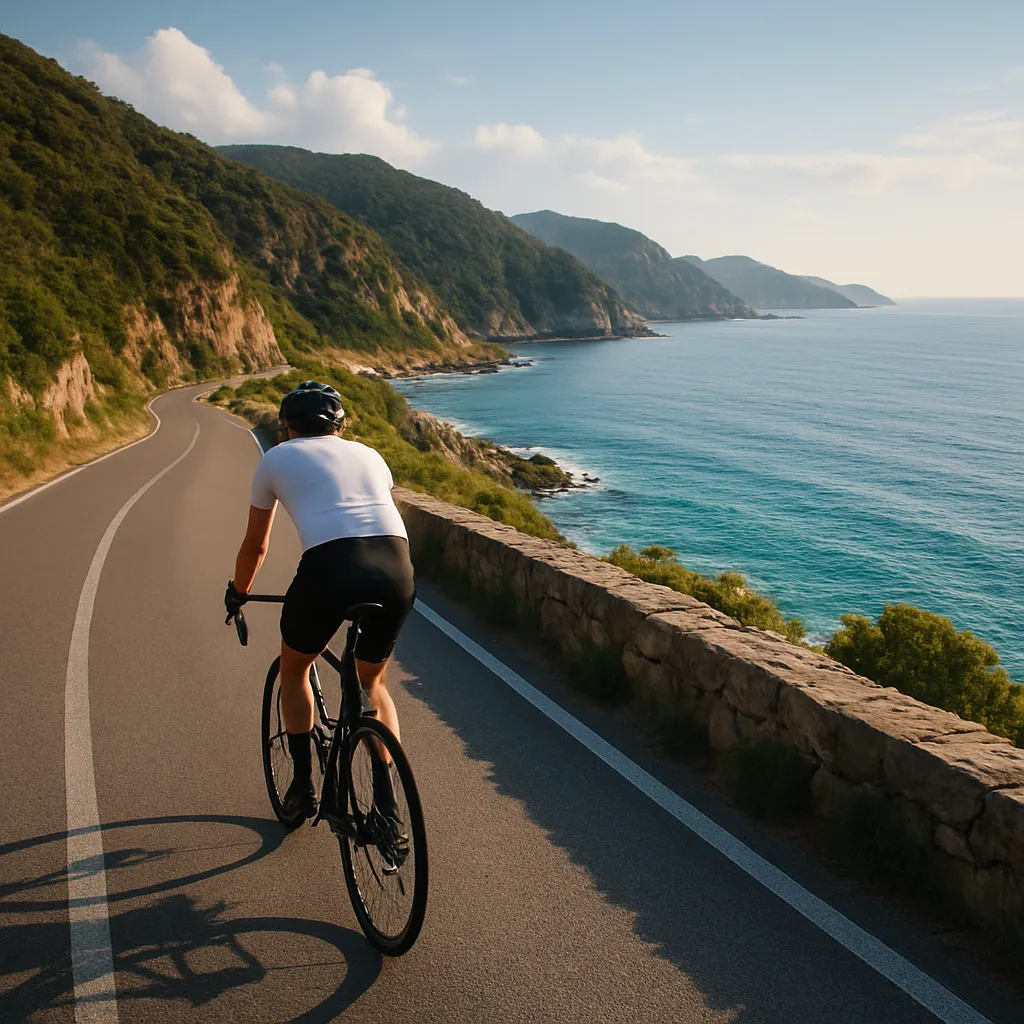
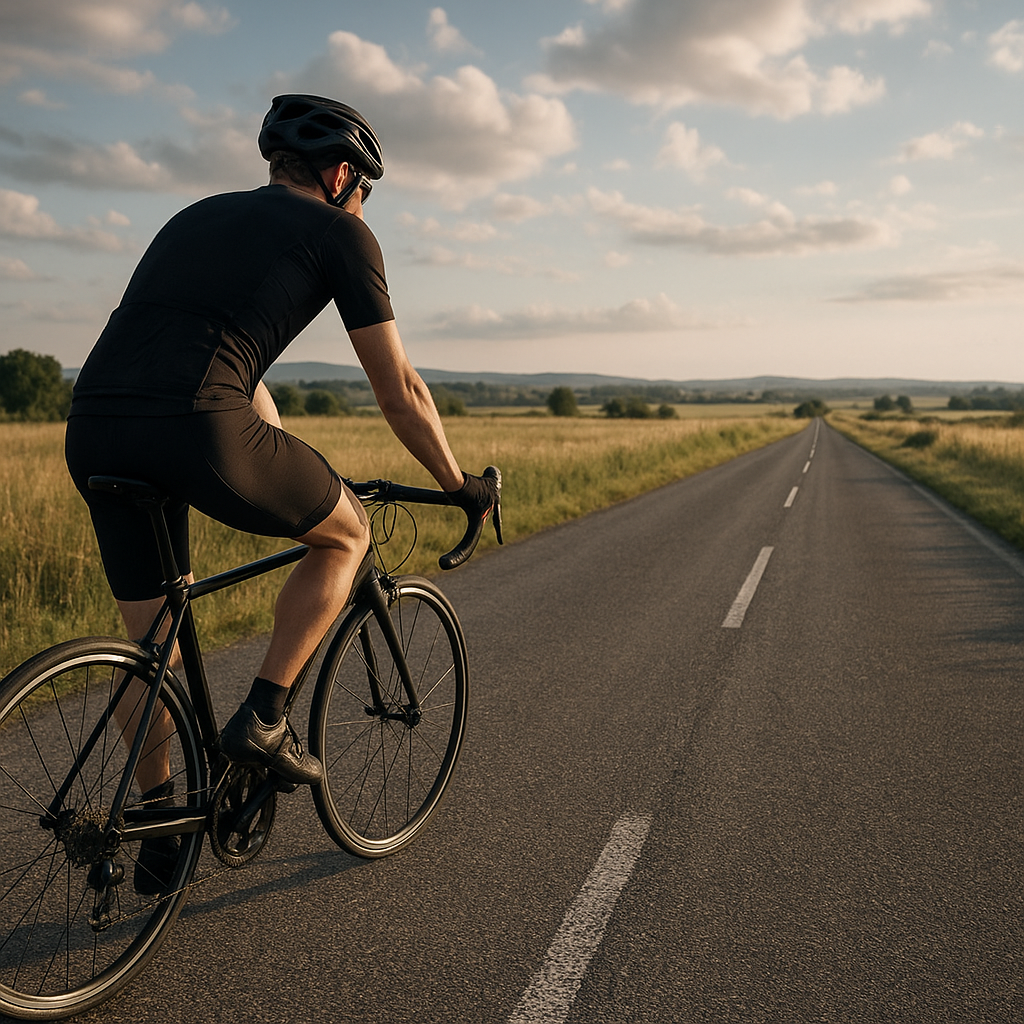
Designed for smooth pavements and high speeds, road bikes boast lightweight frames and narrow tires. They excel in endurance events and fast group rides. Look for models with aerodynamic tubing and reliable braking systems.
Mountain Bikes
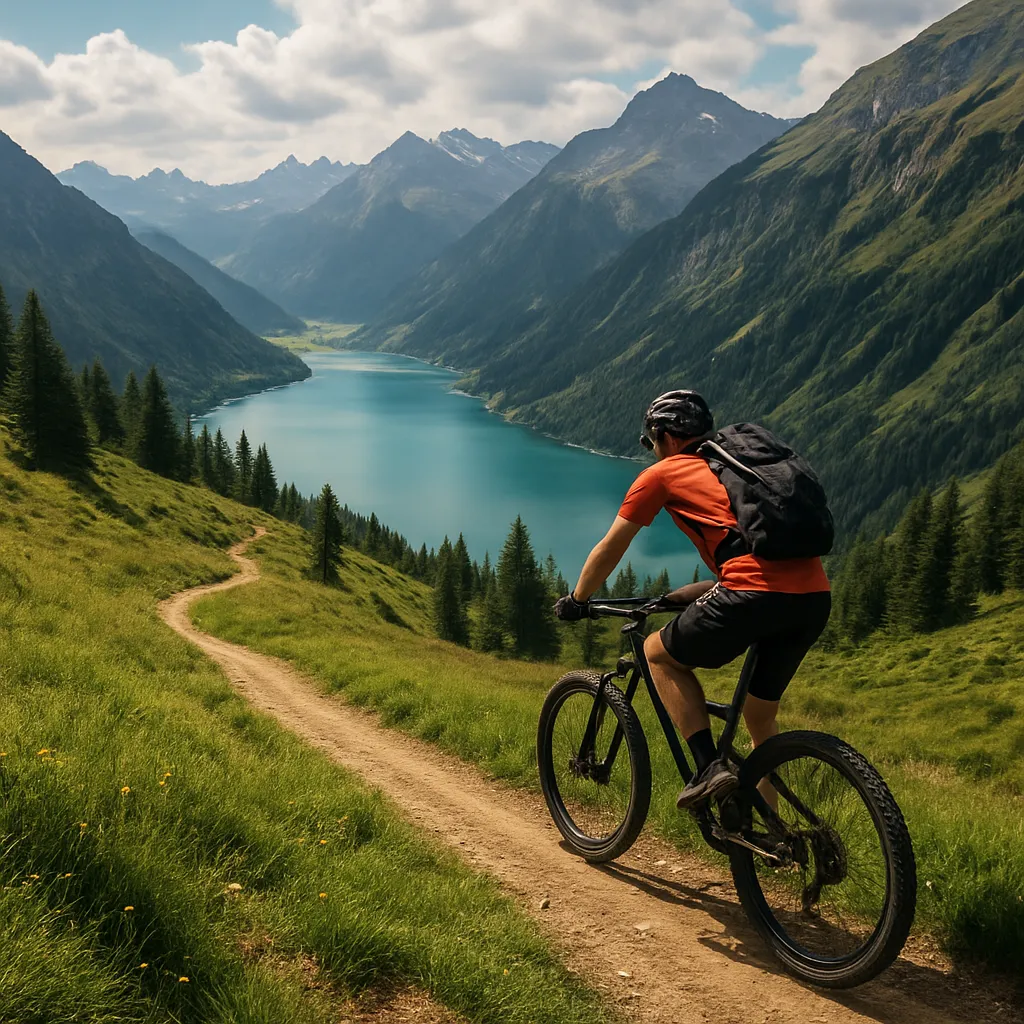
When off-road trails call, a mountain bike rises to the challenge. With robust frames, suspension forks, and wide, knobby tires, these bikes handle rough terrain like a champ. They’re perfect for skill-building and boosting overall performance.
Gravel and Hybrid Bikes
Offering a blend of road efficiency and off-road capability, gravel bikes have surged in popularity. Hybrid bikes take it a step further, catering to commuters and casual riders with a more upright position and versatile tire clearance.
- Durability: Gravel frames are typically beefed up for rough conditions.
- Comfort: Hybrid bikes often feature ergonomic grips and suspension seatposts.
- Versatility: Both styles can handle paved roads, light trails, and everything in between.
- Storage: Multiple mounting points for racks and bottle cages aid long-distance touring.
Developing Effective Training Plans
Transforming your aspirations into reality demands a structured approach. A well-designed plan balances intensity, volume, and recovery to maximize gains while minimizing injury risk.
Building Endurance
Long, steady rides at moderate intensity lay the groundwork for extended efforts. Aim for one “long ride” session per week, gradually increasing duration by no more than 10% to prevent overuse injuries. This will enhance your aerobic capacity, crucial for 100 km or 100-mile challenges.
Incorporating Intervals
Alternating between bursts of high effort and recovery phases boosts your lactate threshold and cardiovascular health. Typical interval sessions include:
- Short sprints: 10 x 30 seconds at max effort with 90-second rests.
- Threshold intervals: 4 x 8 minutes at sustainable high intensity, 4 minutes easy pedaling between efforts.
- Pyramid sets: Build from 1 to 5 minutes and back down, maintaining consistent power output.
Cross-Training and Rest
Incorporate activities like swimming, running, or strength training to address muscular imbalances and reduce biking monotony. Equally important, schedule at least one full rest day weekly to allow physiological adaptations. Use this time for gentle stretching, foam rolling, or yoga sessions targeting the hips and lower back.
Essential Maintenance and Care
Keeping your bike in top shape safeguards both your investment and your wellbeing. Regular checks and timely adjustments prevent mechanical failures on the road.
- Tire Pressure: Check before every ride. Optimal psi varies by bike type and rider weight; consult manufacturer guidelines.
- Chain Lubrication: Clean and lube every 200–300 km to ensure smooth shifting and minimize wear.
- Brake Inspection: Examine pads for wear, test lever feel, and adjust cable tension or hydraulic fluid levels as needed.
- Wheel Trueness: Spin the wheel in a stand or between brake pads; address wobbles by tightening spoke nipples.
- Bolts and Fasteners: Apply correct torque to stem, seatpost, and crank bolts. Loose hardware can lead to component damage or injury.
Gear, Nutrition, and Safety
The right accessories and fueling strategy elevate your riding experience. From protective equipment to mid-ride snacks, preparation is paramount.
- Helmet and Protective Gear: Invest in a helmet that meets safety standards. Consider gloves, glasses, and knee/shin protectors for off-road adventures.
- Clothing: Technical jerseys and padded shorts wick moisture and reduce chafing. Layer appropriately for weather changes.
- Hydration: Carry a minimum of two water bottles. For rides beyond two hours, supplement with electrolyte tablets or sports drinks.
- Nutrition: Aim for 30–60 grams of carbohydrates per hour using gels, bars, or homemade snacks. Train your gut to handle calories on the move.
- Lighting and Visibility: Front and rear lights, reflective stickers, and bright clothing increase conspicuity in low-light conditions.
- Navigation: Use a GPS bike computer or smartphone app with mounts. Preload routes to avoid getting lost and to monitor performance metrics.
Enhancing Your Technique and Riding Style
Efficient pedaling mechanics and proper body position translate into saved energy and reduced fatigue. Focus on these key fundamentals:
- Pedal Stroke: Aim for a smooth, circular motion rather than just pushing down. Engage muscles throughout the revolution for balanced power output.
- Core Engagement: A stable torso transfers energy more effectively. Practice planks and rotational core exercises off the bike.
- Handlebar Grip: Alternate hand positions—tops, hoods, drops—to relieve pressure points during long rides.
- Bike Fit: A professional fit prevents overuse injuries and maximizes comfort. Key measurements include saddle height, reach, and handlebar drop.
Joining the Cycling Community
Shared passion amplifies motivation and learning opportunities. Engaging with fellow cyclists unlocks insights, camaraderie, and memorable group experiences.
- Club Rides: Local clubs host weekly or monthly events. Group rides teach drafting techniques and offer a social outlet.
- Workshops and Clinics: Experts guide sessions on mechanical skills, nutrition planning, and advanced riding strategies.
- Charity and Gran Fondo Events: Challenging yourself in a supportive atmosphere raises funds for good causes while promoting personal achievement.
- Online Forums: Platforms like Strava, Reddit, and dedicated cycling websites provide troubleshooting advice and training logs sharing.
Whether you’re navigating winding mountain passes or cruising scenic coastal roads, the world of cycling offers endless avenues for exploration and self-improvement. Armed with the right gear, consistent training, and a solid maintenance routine, every ride becomes an opportunity to push boundaries and savor the pure joy of the open road.